

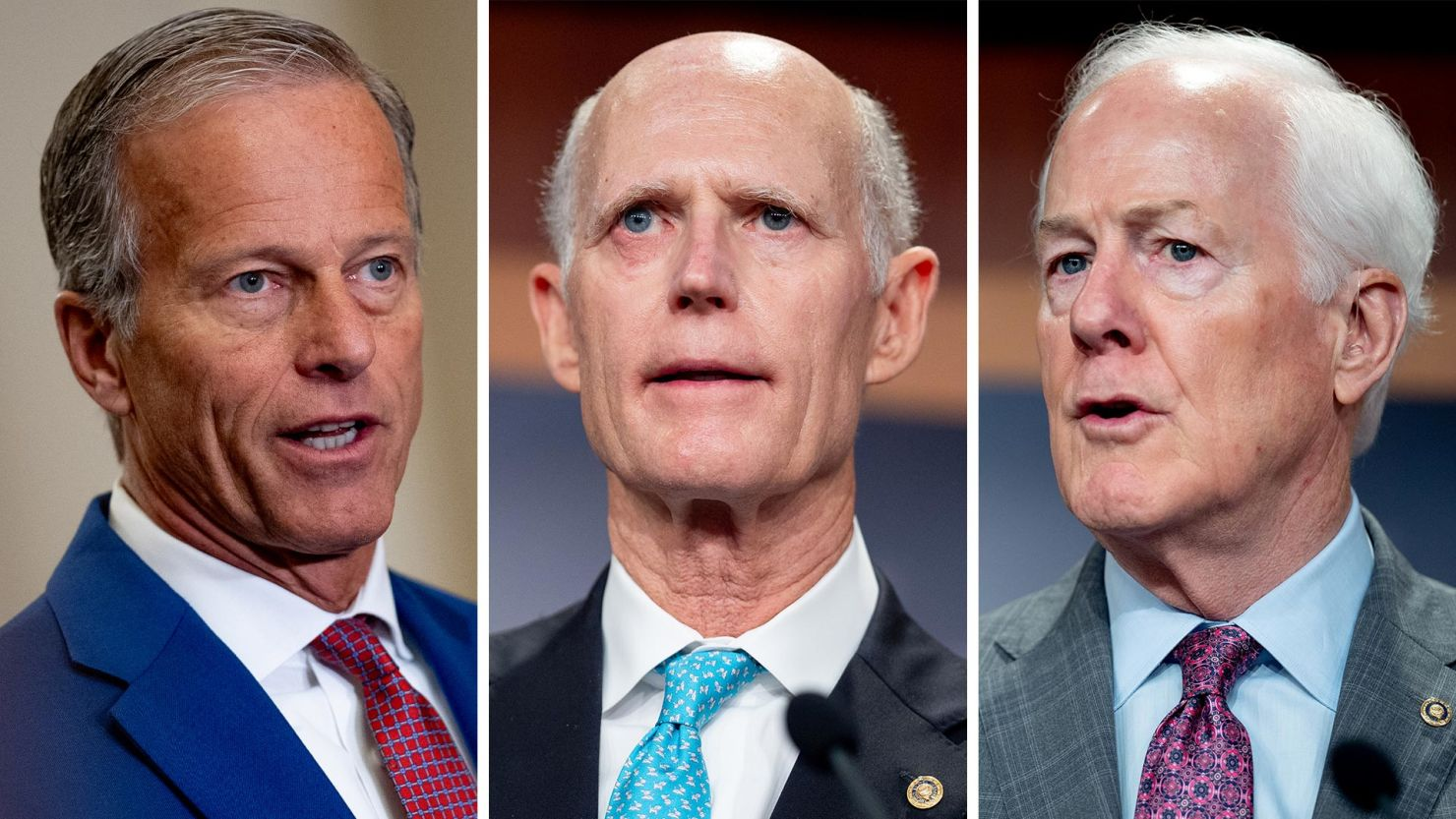
Senate Republicans are currently navigating a political minefield as they attempt to resolve the 60-day DHS shutdown. The ongoing closure of the Department of Homeland Security has already set a grim historical record. Lawmakers in the GOP are now looking ahead with significant anxiety toward the fall. They suspect that Democrats might leverage another government shutdown in October to influence the upcoming election cycle. Majority Leader John Thune is pushing a bold budget resolution to secure ICE and Border Patrol funding. This strategy aims to stabilize national security operations through the year 2029. The political climate in Washington remains extremely volatile as both parties brace for more conflict as noted by Baltimore Chronicle via The Hill.
Strategic maneuvers to fund ICE and the border
The Senate is moving toward a budget reconciliation bill to bypass traditional hurdles. This maneuver would allow Republicans to fund critical agencies like ICE and Border Patrol without a Democratic filibuster. By securing these funds for the next 3.5 years, the GOP hopes to remove immigration from the immediate shutdown debate. However, many senators believe this is only one part of a much larger puzzle.
There is a growing list of legislative priorities that remain stuck in the crossfire. The current stalemate has already surpassed the 43-day record set during the previous administration. Republicans argue that the normal appropriations process is now fundamentally broken. They point to two major standoffs during President Trump’s second term as evidence.
- Passing a budget resolution to create a legislative blueprint for the spring.
- Utilizing budget reconciliation for a simple majority vote.
- Securing long-term funding for Customes and Border Protection.
- Bypassing the filibuster to ensure national security remains operational.
These steps are designed to provide a sense of stability in an otherwise chaotic environment. John Thune has expressed deep skepticism about reaching a bipartisan consensus on border issues. He believes Democrats will continue to block funding as long as the current administration is in power. The stakes for the GOP are high as they try to avoid a total collapse of federal operations.
The fear of an October surprise shutdown
Senator Ted Cruz has openly warned about a potential October 1 shutdown orchestrated by the opposition. He suggests that Democrats want to create visible chaos at airports right before Election Day. Such a scenario would likely result in long lines and public frustration. Josh Hawley echoed these sentiments, suggesting that chaos serves the political interests of the minority party.
Lawmakers are now discussing several backup plans to protect federal workers and the economy. The goal is to make the federal government shutdown-proof or at least less damaging to the public.
| Proposed Legislation | Key Sponsor | Main Objective |
| Shutdown Fairness Act | Ron Johnson | Ensures pay for essential federal employees |
| Prevent Government Shutdowns Act | James Lankford | Triggers automatic funding stopgaps |
| Budget Reconciliation | John Thune | Fast-tracks border and ICE funding |
These proposals were a major topic during recent GOP lunch meetings. Senator Ron Johnson has specifically reached out to the House to find common ground. He believes that the Shutdown Fairness Act could act as an inducement for conservative lawmakers. This would ensure that TSA agents and air traffic controllers do not miss their paychecks.
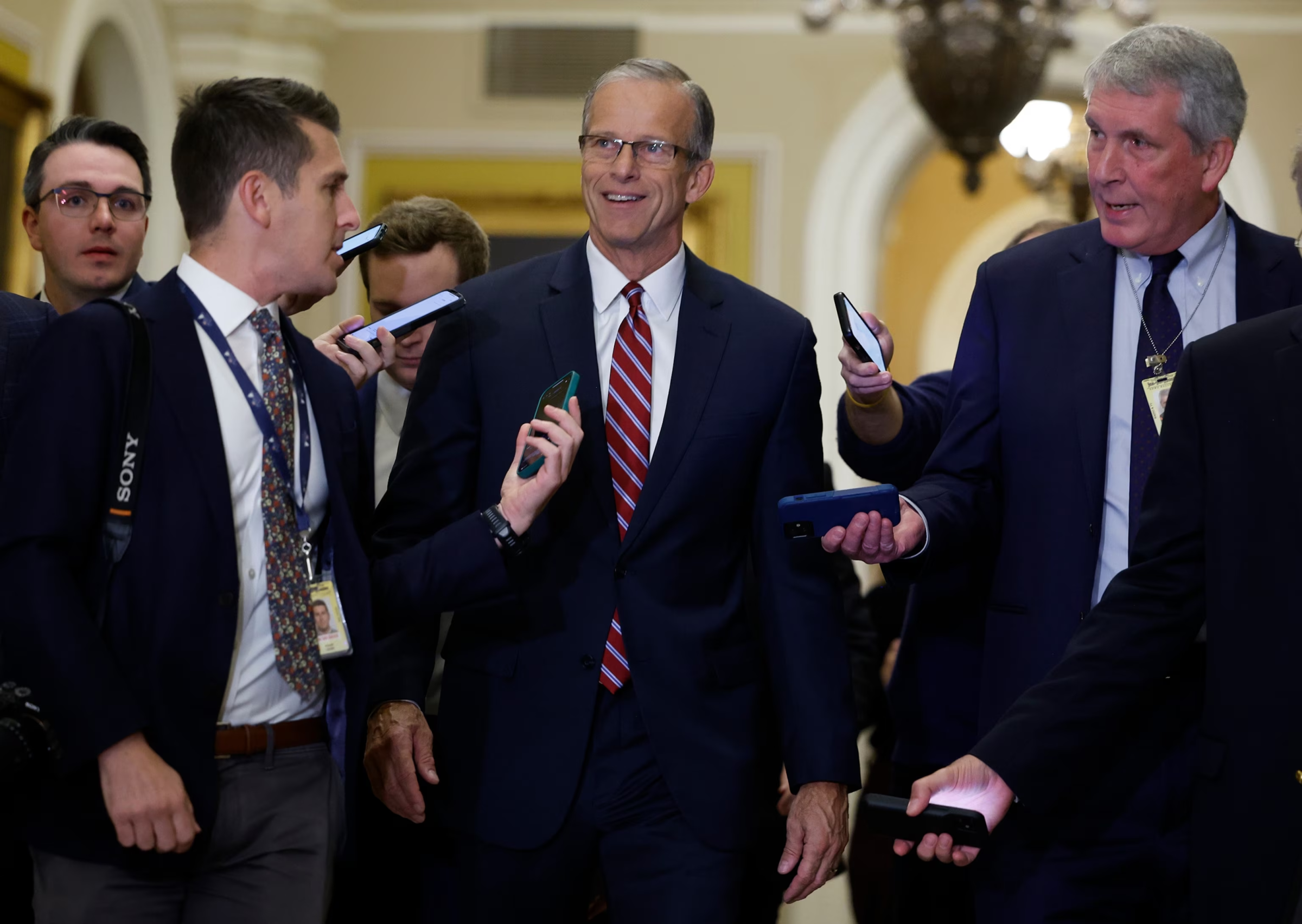
Legislative solutions to protect federal employees
The Shutdown Fairness Act targets the most visible impacts of a funding lapse. If essential workers receive their pay, the immediate pressure on the economy decreases. This could prevent the massive travel delays seen in previous years. James Lankford offers a different approach with his Prevent Government Shutdowns Act.
His plan would force lawmakers to stay in Washington during a stalemate. It would also prohibit taxpayer-funded travel for members of Congress until a deal is reached. This creates a personal incentive for politicians to finish their work on time. Many in the Senate Appropriations Committee prefer this method because it maintains pressure on the process.
The Senate recently voted 52-46 to proceed with the current budget resolution. This sets the stage for a series of high-stakes amendment votes later this week. Speaker Mike Johnson remains cautious about moving too quickly in the House. He is waiting to see how the Senate handles the reconciliation measure first. The path forward remains narrow and full of legislative obstacles.
Efforts to attach shutdown prevention language to larger bills are ongoing. There are still questions about the Byrd Rule and the Senate parliamentarian. These technical rules determine what can be included in a fast-track bill. Republicans are looking for any possible way to secure the functioning of the government. The next few weeks will determine if these strategies can prevent a disastrous autumn.
Earlier we wrote about Desperate Housewives spin-off Wisteria Lane: new characters and secrets coming in 2027