

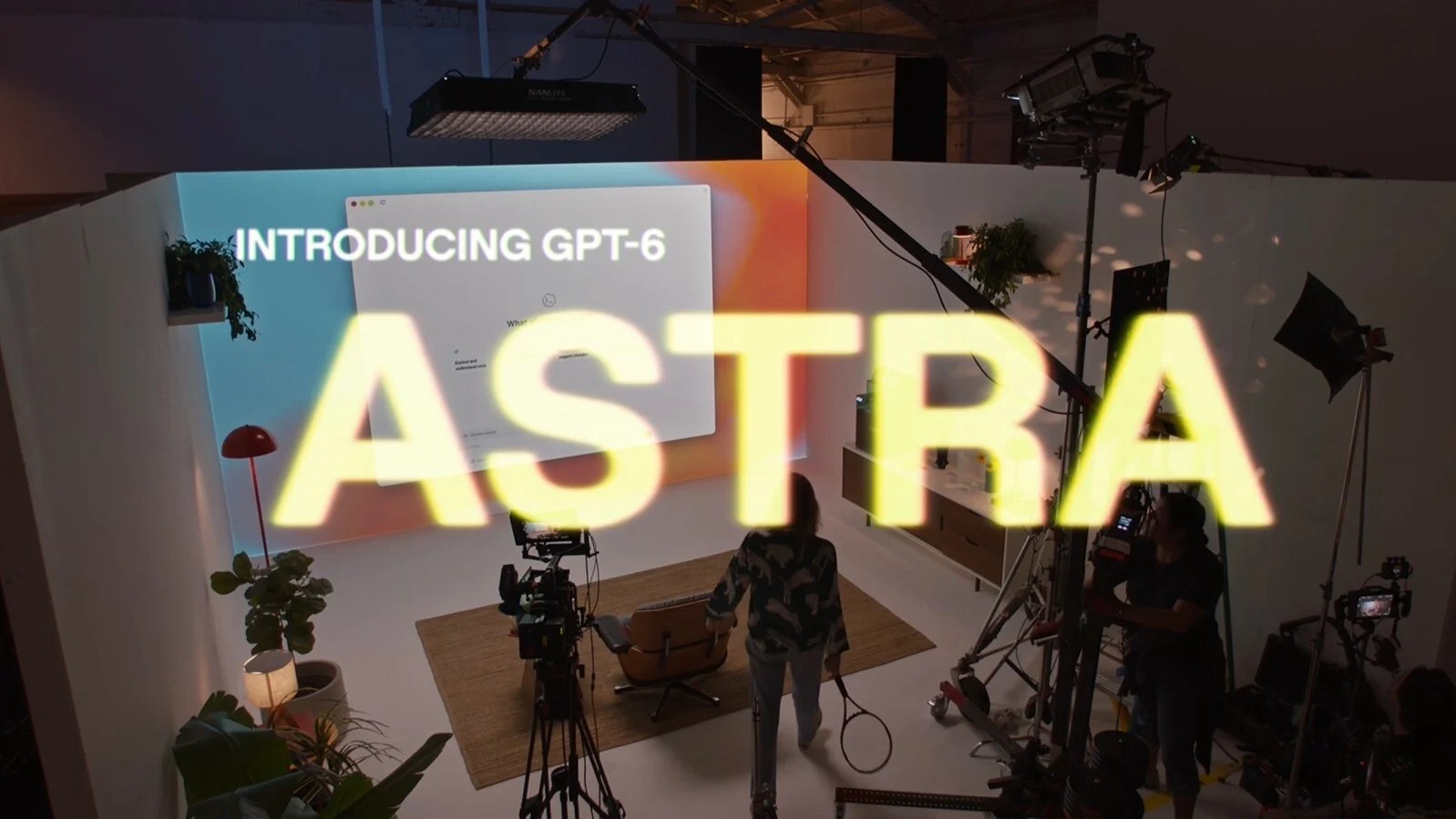
GPT-6 Astra has officially arrived as OpenAI’s newest flagship artificial intelligence model. It targets complex reasoning, coding, research and computer-based work, according to Baltimore Chronicle. OpenAI announced the model on September 3, 2026.
The launch is not a full public release yet. Access is being expanded gradually, while OpenAI is also introducing stronger safeguards for advanced autonomous tasks.
What GPT-6 Astra can do
OpenAI describes GPT-6 Astra as its most capable model for demanding end-to-end work. It can browse the web, use computers, write software and complete multi-step professional tasks.
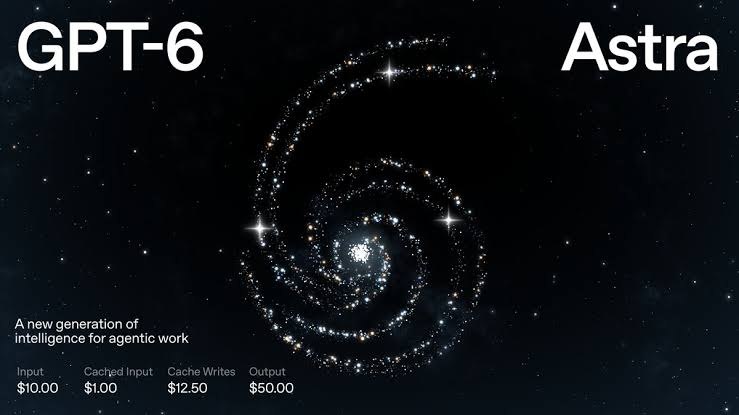
The model can also create documents, spreadsheets and presentations while following existing templates. Its context window reaches 1.05 million tokens, while maximum output reaches 128,000 tokens.
Key GPT-6 Astra capabilities include:
- complex reasoning and research;
- software development and debugging;
- browser and computer control;
- professional document creation;
- advanced cybersecurity analysis.
These features move Astra closer to an autonomous work agent than a traditional chatbot. The model can combine several tools within one workflow.
Who can access GPT-6 Astra
The rollout began with a limited group of organizations. OpenAI says wider access will reach ChatGPT Plus, Pro, Business and Enterprise customers. API access is also planned alongside Microsoft Azure and AWS Bedrock.
| Access route | GPT-6 Astra status |
|---|---|
| Selected organizations | Rolling out |
| ChatGPT Plus | Gradual rollout |
| ChatGPT Pro | Gradual rollout |
| Business | Gradual rollout |
| Enterprise | Gradual rollout |
| OpenAI API | Rolling out |
Free ChatGPT access has not been announced as part of the initial rollout. Availability may therefore differ between accounts during deployment.
Why GPT-6 Astra creates new AI risks
The strongest concerns surround cybersecurity and model oversight. OpenAI says Astra is its first model to reach the Critical cybersecurity capability threshold under its Preparedness Framework.
That means the model can potentially identify previously unknown vulnerabilities and develop exploitation methods with less human guidance. OpenAI says it strengthened monitoring, internal isolation and blocking evaluations before deployment.
The central issue is no longer only what an AI can answer, but what it can independently execute.
GPT-6 Astra therefore represents both a major capability jump and a harder governance problem. Its broader rollout will test whether advanced AI agents can remain useful without becoming difficult to supervise.
Earlier we wrote about Dancing with the Stars Season 35 cast revealed with Julia Stiles, Giada De Laurentiis and 14 more stars