

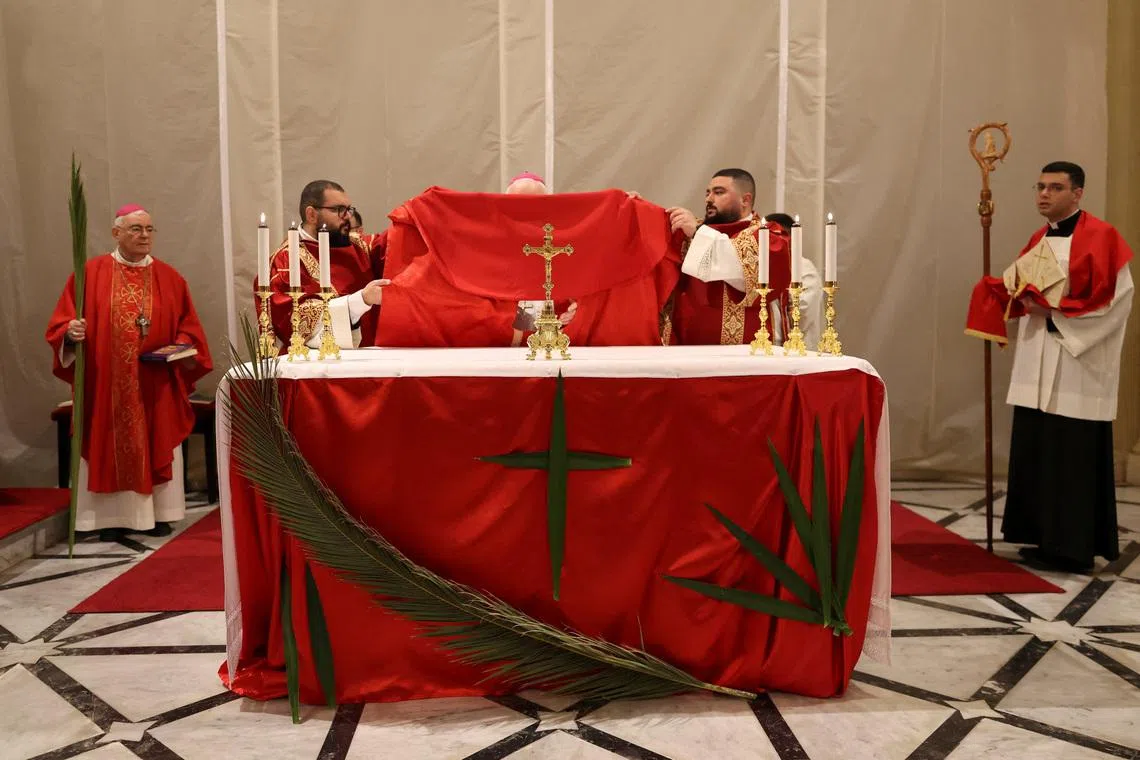
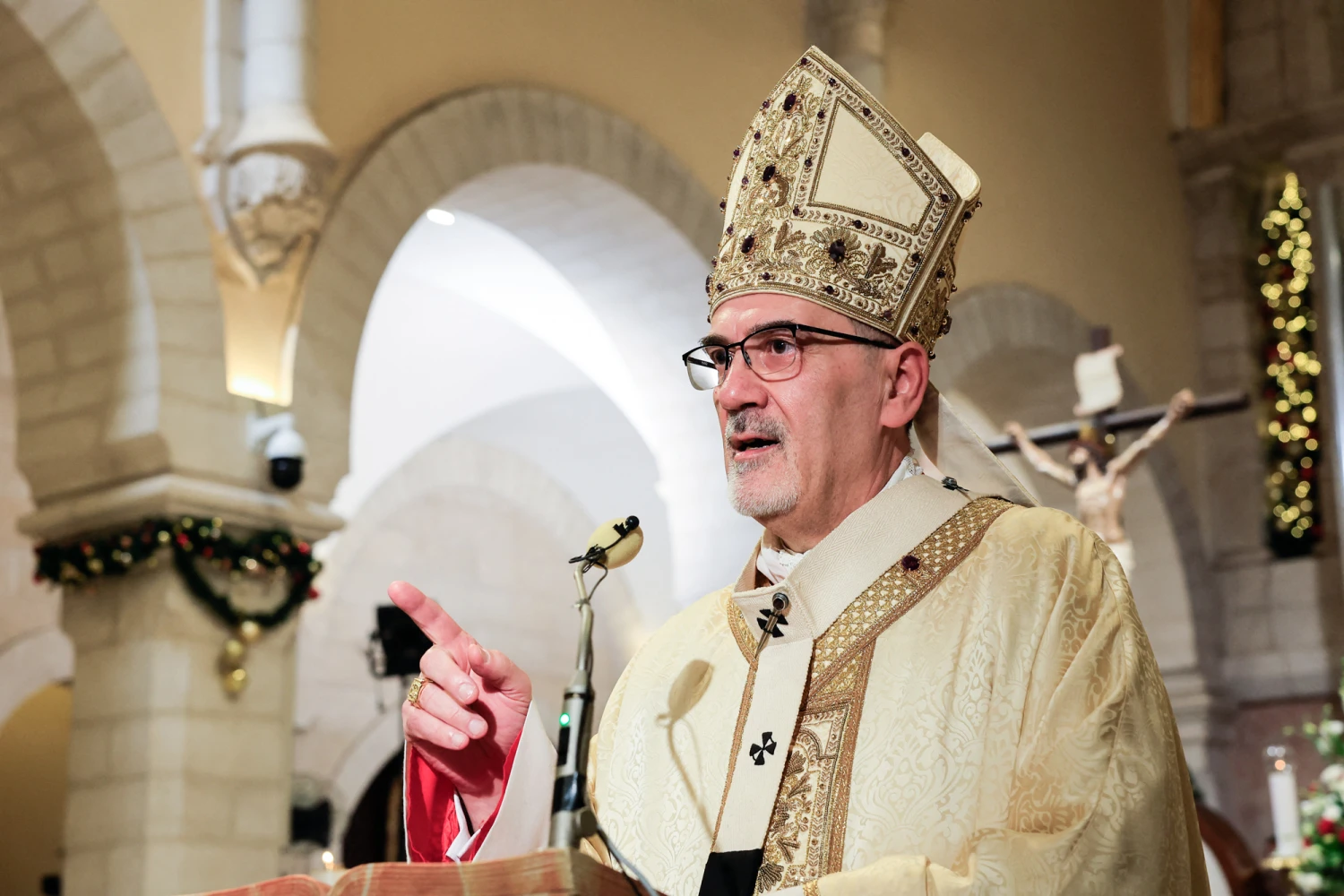
Israeli police block Catholic figures from Palm Sunday Mass at Jerusalem’s Holy Sepulchre in a move that has sparked global outrage. The incident occurred on 29 March 2026, within the ancient walls of the Old City. Cardinal Pierbattista Pizzaballa, the Latin patriarch, was prevented from reaching the holiest site in Christianity. He was accompanied by the official guardian of the church, Reverend Francesco Ielpo. This blockage represents the first time in centuries that the liturgy could not be held there. Tensions in the region remain high following the outbreak of war with Iran in February 2026. Authorities cited security concerns and the risk of ballistic missile strikes as reasons for the restriction. The Latin Patriarchate emphasized that the clergymen were proceeding privately and without any formal ceremonial procession. This unprecedented event has drawn immediate criticism from world leaders regarding religious freedom, as noted by the Baltimore Chronicle via NBC.
International condemnation of the religious restrictions in Jerusalem
World leaders were quick to voice their concerns over the prevention of the Palm Sunday Mass. Italian Prime Minister Giorgia Meloni expressed her solidarity with the Patriarch and called the incident an offense against believers. She argued that denying entry to the Holy Sepulchre constitutes a violation of fundamental religious freedoms. French President Emmanuel Macron also condemned the decision on social media, linking it to previous violations of holy site status. The German ambassador to Israel, Steffen Seibert, described the event as painful to all Christians worldwide. These reactions highlight the deep diplomatic sensitivity surrounding the administration of sacred sites during wartime.
Key political and religious reactions to the incident:
- Giorgia Meloni: described the blockage as an unacceptable offense against every religious community.
- Emmanuel Macron: condemned the violation of the historical status quo of Jerusalem’s holy sites.
- Antonio Tajani: summoned the Israeli ambassador to obtain official clarifications on the police actions.
- Steffen Seibert: expressed that the incident is deeply painful for the global Christian community.
- Pina Picierno: called the restriction a grave and unprecedented violation of international religious freedom.
- Pope Leo XIV: offered prayers for Middle Eastern Christians during his address at the Vatican.
- Matteo Salvini: labeled the prevention of the Mass as both unacceptable and offensive.
The diplomatic fallout continues to grow as more nations demand a transparent explanation from the Israeli government. Foreign ministers are preparing formal inquiries to ensure that such incidents do not repeat during Easter week. Many observers fear that these restrictions could further inflame tensions in an already volatile region. The historical significance of the Holy Sepulchre makes any access restriction a matter of global importance. Believers around the world are watching closely to see how the authorities will handle upcoming services. The balance between military security and religious practice remains a central point of contention in 2026.
Security concerns and the impact of the Iran conflict on holy sites
The Israeli Prime Minister’s office defended the police intervention by citing the ongoing war with Iran. According to official statements, the safety of high-ranking religious figures was the primary motivation for the blockage. The government claimed that Iran has repeatedly targeted Jerusalem with ballistic missiles since the war began in February. In one specific instance, missile fragments reportedly landed only meters away from the Church of the Holy Sepulchre. Consequently, many sacred sites in the Old City have been subject to closure for worshippers. Authorities maintain that freedom of worship must be subject to necessary safety restrictions during active bombardment.
Current security status of Jerusalem holy sites in March 2026:
| Site Name | Access Status | Primary Risk Factor |
| Church of the Holy Sepulchre | Restricted | Ballistic missile fragments |
| Al-Aqsa Mosque | Limited | Large gathering ban |
| Western Wall | Controlled | Security proximity |
| Monastery of Saint Saviour | Open for private prayer | Localized safe zones |
| Old City Gates | High security checkpoints | Military activity |
The formal Palm Sunday procession had already been canceled due to the ban on large public gatherings. Despite this, the Latin Patriarchate argued that a private visit by two clergymen should have been permitted. They stated that the incident sets a grave precedent for future religious observances in the Holy Land. In response to the backlash, Netanyahu’s office announced a new plan to enable worship in the coming days. This plan aims to allow church leaders to perform their duties as the rest of Easter week unfolds. Security forces are currently reassessing the threat level to find a compromise for the holy week.
Future implications for religious freedom in the Middle East
The denial of access to the Holy Sepulchre raises long-term questions about the status of religious minorities in conflict zones. Experts suggest that the 2026 incident might change how international law views the protection of holy sites during war. Bilateral agreements between the Vatican and regional powers are being scrutinized by legal observers. Many fear that the current military necessity might permanently alter the fragile “Status Quo” of Jerusalem. The Latin Patriarchate remains firm in its position that religious sensibilities must be respected regardless of the conflict. This event has mobilized Christian communities globally to advocate for guaranteed access to their most sacred places.
Steps taken to resolve the diplomatic crisis:
- Israeli authorities are drafting a specific worship plan for the remainder of Easter week.
- The European Parliament is discussing a resolution on the protection of religious freedom in Jerusalem.
- Middle Eastern church leaders are seeking direct channels with military command for safe passage.
- International monitors are being requested to oversee access to the Old City during high holidays.
- Vatican diplomats are engaging in high-level talks to prevent future blockages of the Patriarch.
Following these developments, the eyes of billions remain fixed on the narrow streets of Jerusalem’s Old City. The upcoming Easter Sunday will be a crucial test for the newly proposed security measures and diplomatic promises. People hope that the spiritual significance of the week will eventually lead to a temporary de-escalation. However, the presence of 3500 ground troops in the Gulf indicates that the war is far from over. Maintaining a path to the Holy Sepulchre is now a symbol of resilience for the local Christian population. The global community expects that the right to pray at the site of the crucifixion will be upheld.
Earlier we wrote that Iran-linked group claims hack of FBI Director Kash Patel: emails and documents stolen