

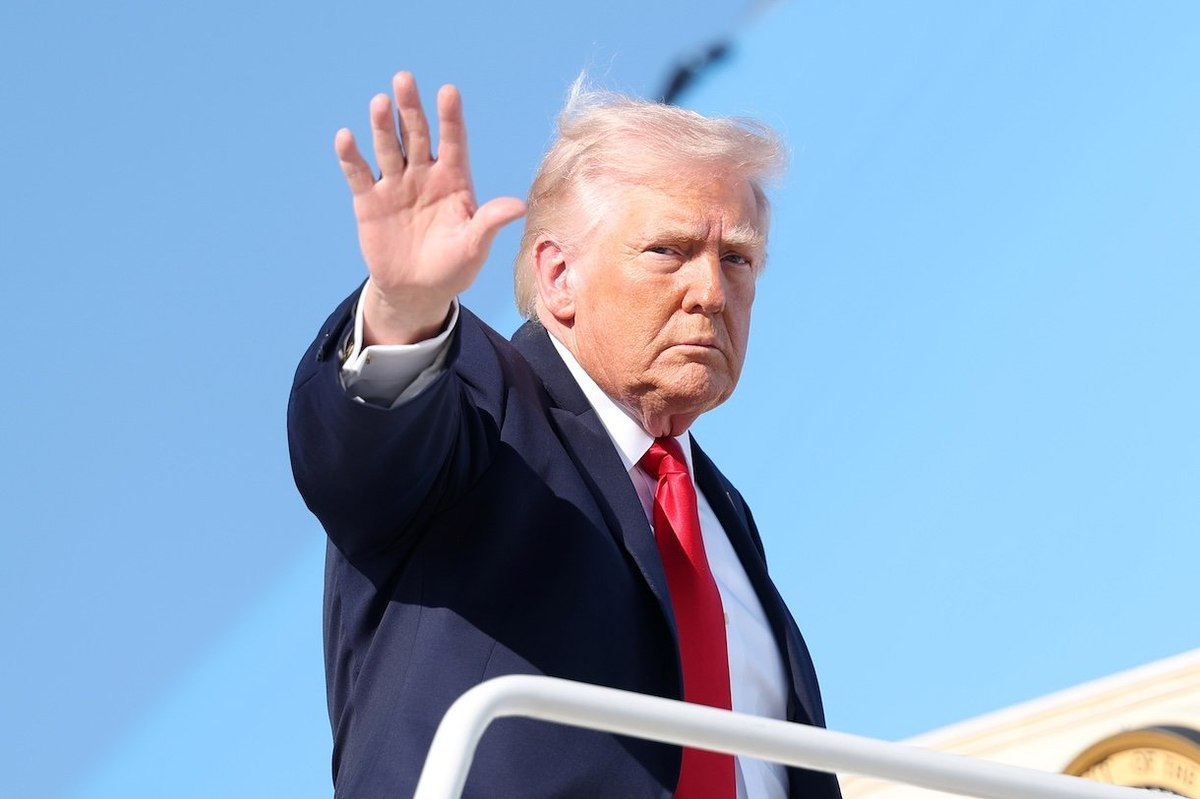
President Donald Trump confirmed on Tuesday that high-stakes negotiations between the U.S. and Iran might resume within days. The proposed venue for these critical diplomatic encounters is Pakistan, a nation traditionally serving as a regional mediator. These developments occur simultaneously with a massive naval blockade imposed by American armed forces on Iranian ports. The geopolitical tension in the Middle East has reached a boiling point since the recent outbreak of conflict. Trump suggested to the New York Post that talks could happen over the next 48 hours. A previous attempt at peace in Islamabad failed due to disputes over nuclear enrichment programs. Military analysts are watching the coastal areas closely as the situation evolves rapidly as noted by the Baltimore Chronicle via USA Today.
Successful naval blockade and the isolation of Iranian ports
U.S. Central Command recently reported that the naval blockade on Iran has been a complete operational success. During the first 24 hours of the operation, no vessels managed to penetrate the restricted maritime zones. The primary goal is to cut off logistics and resources from reaching the Iranian regime during the war. Centcom stated that 6 commercial ships complied with orders to turn back to avoid direct military confrontation. This strategy aims to exert maximum pressure on Tehran to return to the negotiating table. The blockade covers all major coastal areas and strategic shipping lanes in the Persian Gulf.
Key details regarding the current maritime operation include:
- Full surveillance of the Strait of Hormuz by American carrier groups.
- Implementation of a strict 24-hour monitoring cycle for all passing vessels.
- Direct communication channels established between Centcom and international shipping firms.
- Use of advanced radar and satellite technology to track non-compliant ships.
- Immediate redirection of commercial traffic away from the exclusion zones.
The economic impact on the region is already being felt as insurance premiums for shipping rise. Most global logistics companies have instructed their fleets to bypass the northern Gulf entirely. This military maneuver is intended to provide leverage for the upcoming peace talks in Islamabad. Washington remains firm that the blockade will continue until a verified nuclear agreement is reached. The presence of the U.S. Navy acts as a deterrent against further Iranian military escalation. International observers remain concerned about the long-term effects on global oil markets and supply chains.
Diplomatic breakthroughs between Israel and Lebanon in Washington
While the conflict with Iran intensifies, a historic diplomatic event occurred at the State Department in Washington. Secretary of State Marco Rubio hosted envoys from Israel and Lebanon for the first time in decades. These negotiations are occurring despite the ongoing exchange of fire between the IDF and Hezbollah. The aim is to find a pathway toward a ceasefire and regional stability in the Levant. This meeting represents a significant shift in Middle Eastern alliances and traditional enemy lines. Rubio emphasized that peace is the only viable solution for the suffering civilian populations.
| Negotiating Parties | Primary Objectives | Current Status |
| United States | Regional stability and containment of Iran | Lead mediator |
| Israel | Security of northern borders and Hezbollah withdrawal | Active participant |
| Lebanon | Sovereignty and cessation of bombing campaigns | Diplomatic engagement |
| Iran | Lifting of the naval blockade and nuclear rights | Indirect involvement |
| Pakistan | Providing a neutral ground for Islamabad talks | Host nation |
The success of these talks depends largely on the decoupling of Lebanese interests from Tehran’s influence. Israel continues to trade strikes with Hezbollah units stationed along the southern Lebanese border. The U.S. administration hopes that the talks in Pakistan will eventually lead to a broader regional settlement. Many European allies have expressed support for Rubio’s efforts to bring historical rivals to the table. The outcome of these discussions remains uncertain as military operations continue on the ground. Future sessions are expected to address the specific logistics of a potential demilitarized zone.
Escalation in Southern Lebanon and the ground invasion
The humanitarian situation has worsened since Israel launched its ground invasion into southern Lebanon. This military move was a direct response to Hezbollah firing rockets at northern Israeli cities in support of Tehran. The Israeli Air Force has also conducted a punishing bombing campaign that devastated significant parts of Beirut. Large sections of the south are now under the control of Israeli ground forces seeking to destroy launch sites. President Trump has maintained that military pressure is necessary to ensure a lasting diplomatic victory. The ongoing war on Iran has fundamentally changed the security architecture of the entire Middle East.
Diplomatic sources in Islamabad suggest that the upcoming negotiations will focus on a permanent ceasefire. Both sides must agree on the future of Iran’s nuclear enrichment program to find common ground. The naval blockade remains the most significant bargaining chip held by the American administration. International relief agencies are calling for corridors to deliver aid to displaced families in Beirut and Tyre. The world awaits the results of the discussions scheduled to happen over the next 2 days. Every decision made in Washington or Islamabad will have a profound effect on global security.
Earlier we wrote that Peter Magyar and the Tisza party win Hungary elections 2026 ending the Orban era