

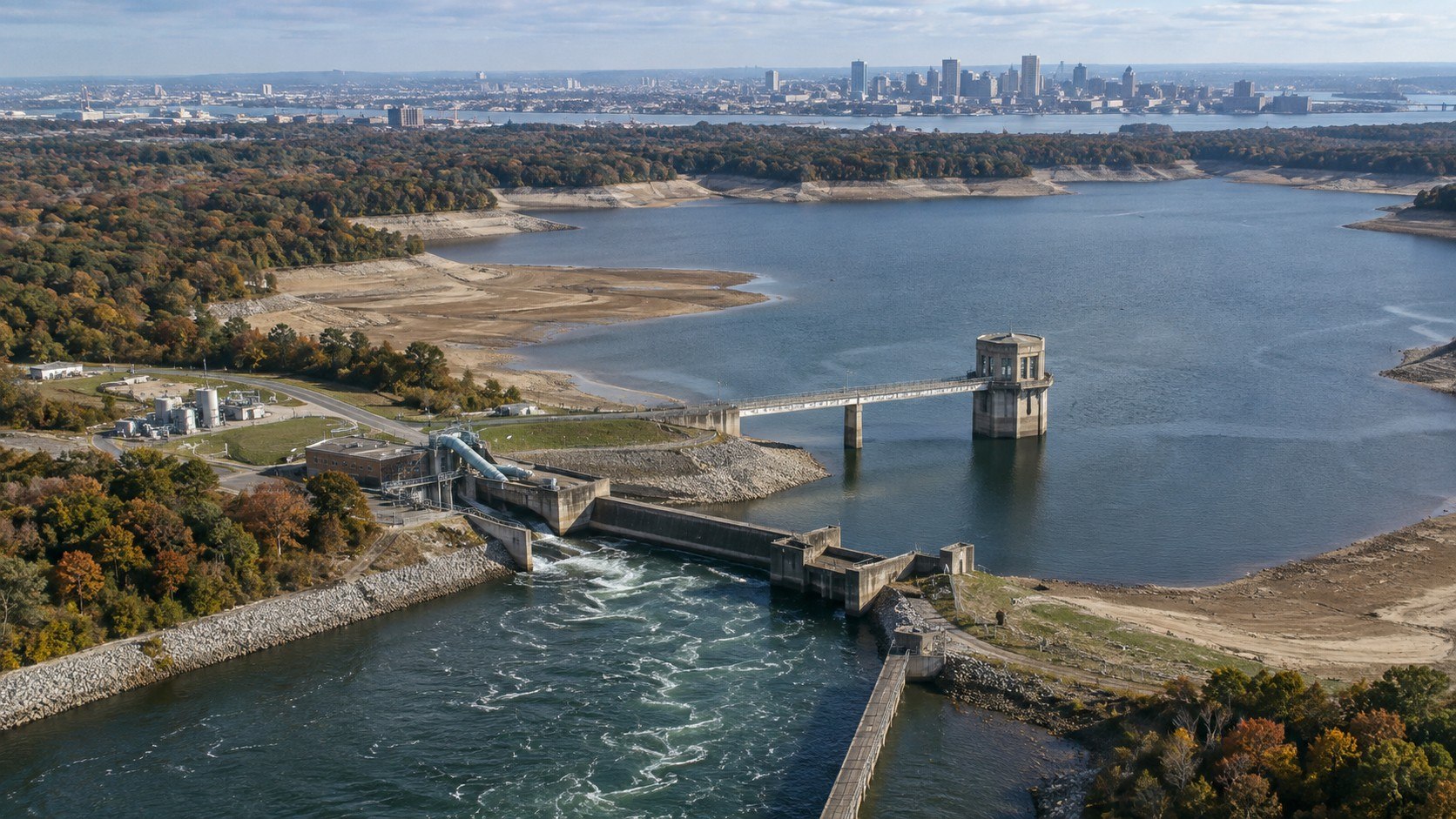
Baltimore water supply officials are preparing to draw water from the Susquehanna River as reservoir levels continue falling. The measure comes after prolonged drought reduced supplies across the regional system, as reported by Baltimore Chronicle.
The Baltimore Department of Public Works plans to begin the change in late September or early October. Susquehanna River water will be mixed with existing reservoir supplies before treatment.
Why Baltimore is turning to the Susquehanna River
Baltimore normally relies on Liberty, Loch Raven and Prettyboy reservoirs. Together, they collect rainfall and snowmelt for the regional drinking water system.
The current shortage follows several years of weaker rainfall. The Baltimore region recorded 27.21 inches of rain this year against a normal 32.86 inches. About 88.3% of Maryland was classified as abnormally dry.
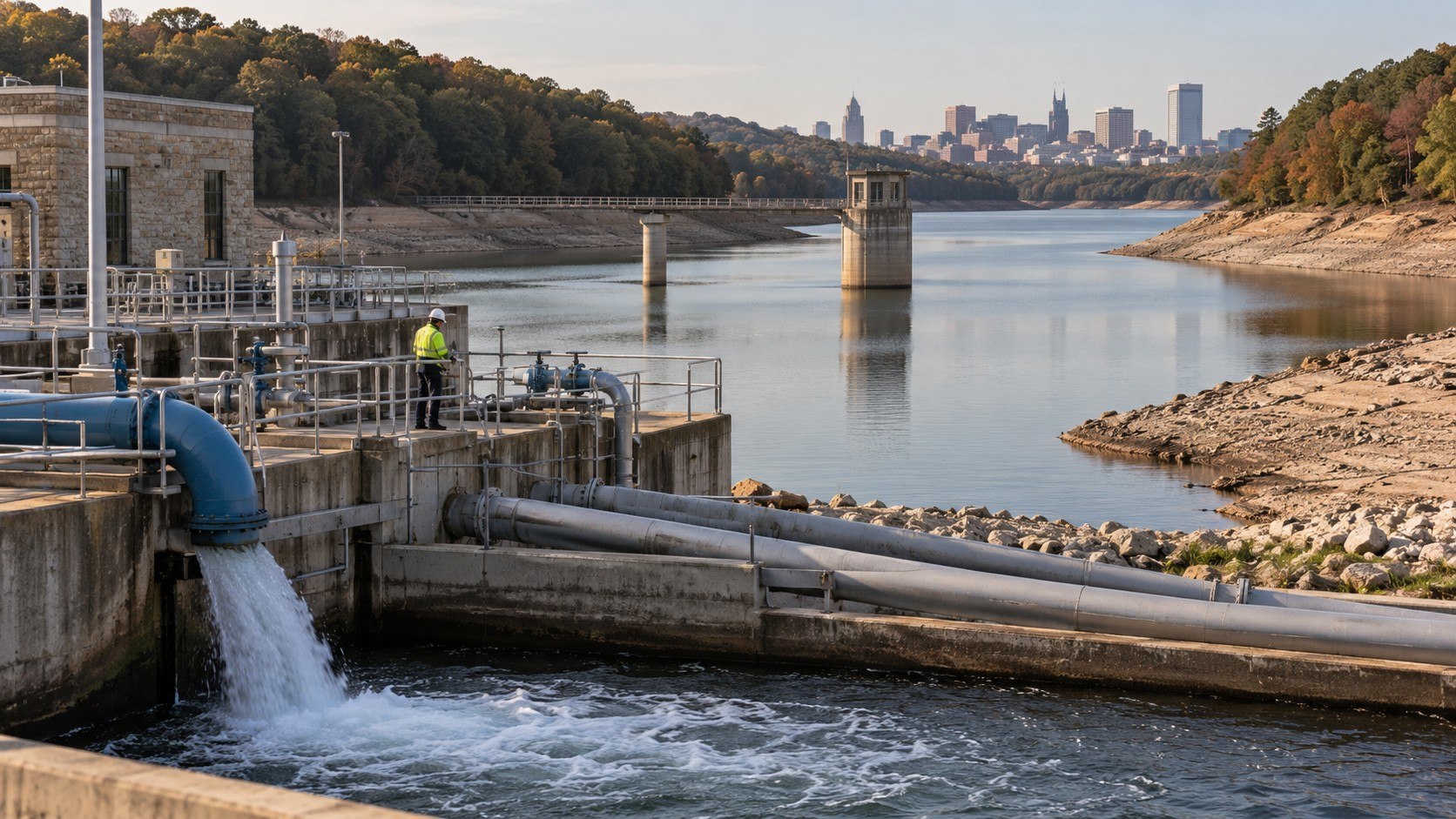
The Susquehanna River water supply is designed as a backup during severe drought. Baltimore tested the blending system in July. WBAL reports that it has not been used operationally in about 20 years.
Which Baltimore customers may receive blended water
The change will mainly affect customers served by the Montebello treatment plants.
Areas expected to receive the blended supply include:
- parts of East Baltimore;
- sections of Baltimore County;
- communities connected to the Montebello system.
West Baltimore and parts of Howard and Carroll counties served by the Liberty system are not expected to receive Susquehanna water.
| Area or system | Expected change |
|---|---|
| East Baltimore | Blended water likely |
| Baltimore County | Some areas affected |
| Montebello system | Susquehanna blend expected |
| West Baltimore | No change expected |
| Liberty system | Susquehanna water not expected |
The exact start date depends on Baltimore reservoir levels. Rainfall will also determine how long the supplemental supply remains necessary.
Will Baltimore tap water taste different?
River water naturally contains more sediment and organic material than reservoir water. DPW says the water will be filtered, treated and tested before distribution.
Most customers should notice little or no difference. Some households could detect minor changes in taste, odor or color. Officials say the change is not expected to affect drinking water safety.
Voluntary Baltimore water restrictions remain in effect. Residents are being asked to limit lawn watering, avoid unnecessary car washing and repair leaks. Shorter showers and full dishwasher loads can also reduce demand.
Earlier we wrote about Baltimore road closures for Orioles games: Downtown restrictions begin Sept. 21