

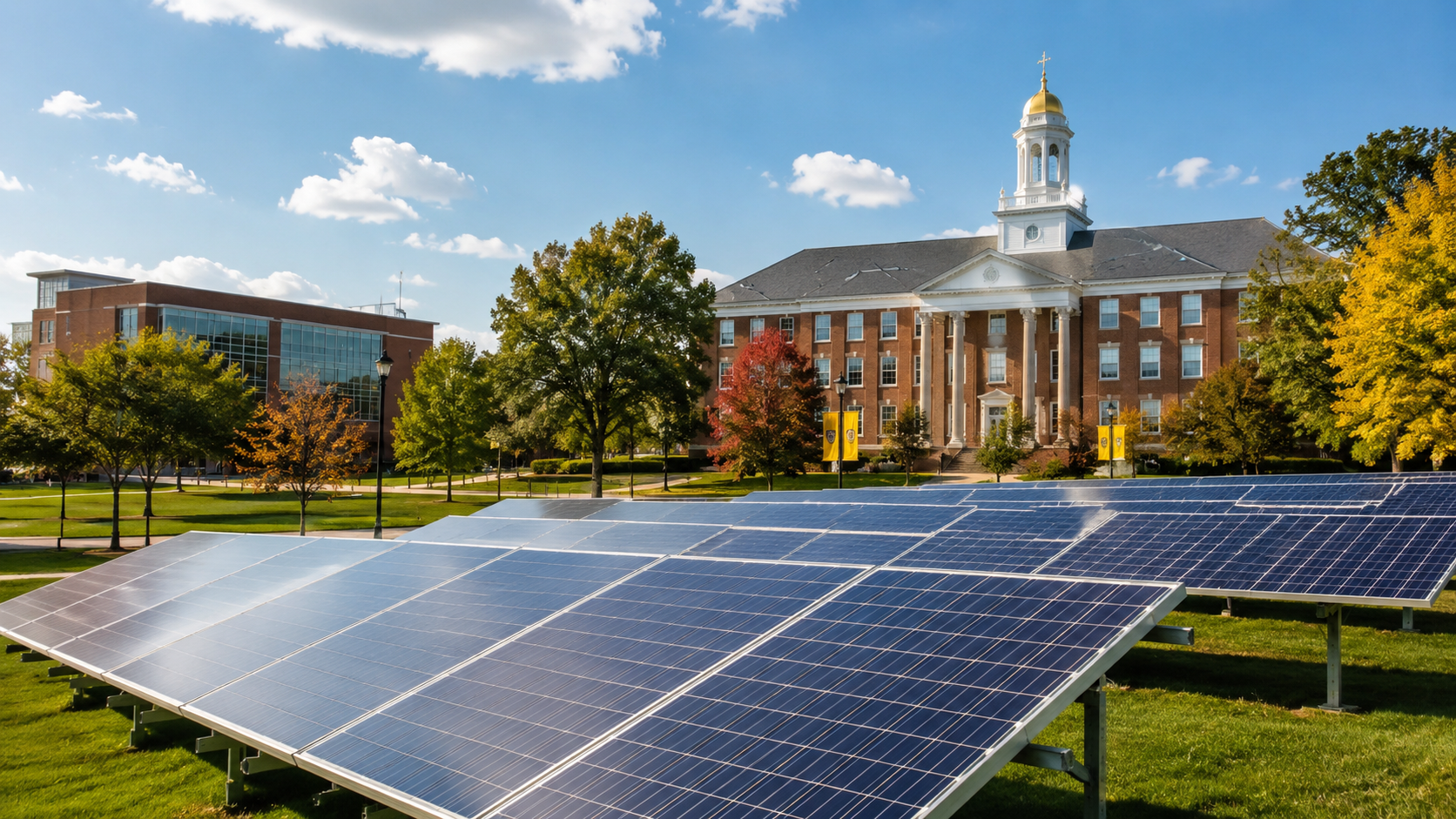
Bowie State University clean energy grant is drawing attention across Maryland after the university secured major funding for renewable energy and workforce development projects. The institution received a $727,500 grant from the Maryland Energy Administration to strengthen solar infrastructure and prepare students for careers in the fast-growing clean energy sector. The funding is part of Maryland’s FY2026 Higher Education Clean Energy Program. The initiative focuses on sustainability, innovation, and workforce expansion across state universities. As noted by Baltimore Chronicle, universities are increasingly becoming key drivers of the renewable energy economy in the United States.
The new investment will help Bowie State University improve academic opportunities connected to clean energy industries. Officials also expect the grant to support practical student training and renewable energy adoption across campus facilities. University representatives say the project aligns with long-term environmental and workforce goals. Maryland continues to increase funding for green infrastructure and energy transition projects. Experts believe universities now play a critical role in preparing future specialists for the renewable energy market.
Bowie State University plans major solar energy expansion
Bowie State University intends to install approximately 165 kilowatts of solar energy capacity across campus buildings. The expansion is expected to lower operational energy costs and reduce the institution’s environmental footprint. Administrators say renewable energy systems will become part of both campus infrastructure and classroom learning. Students will also gain access to real-world experience connected to solar technologies and energy management.
The project reflects a wider national trend toward combining higher education with climate-focused workforce development.
According to university officials, the initiative will strengthen practical learning opportunities for students studying engineering, environmental sciences, and technology. The renewable infrastructure could also serve as a demonstration platform for future research projects. State officials continue to encourage universities to integrate sustainability into academic planning. Bowie State aims to position itself as a leader in Maryland’s clean energy education sector.
How the Maryland clean energy grant will be used
The grant covers several development areas connected to sustainability and workforce preparation. University leaders confirmed that funding will support both infrastructure and educational programs. The project goes beyond solar panels and includes broader student career initiatives.
Key priorities of the grant include:
- Expanding renewable energy systems across campus
- Supporting student workforce training programs
- Increasing clean energy academic offerings
- Improving sustainability research opportunities
- Preparing graduates for energy sector careers
These investments could help Bowie State strengthen partnerships with energy companies and public agencies. Workforce shortages remain a major issue in the renewable energy industry. Many employers are searching for graduates with practical technical experience. Universities that provide hands-on learning may gain stronger industry partnerships in coming years.
Maryland universities continue focusing on sustainability
Maryland has increased support for higher education sustainability projects in recent years. State programs encourage universities to reduce emissions and modernize infrastructure. Clean energy investments are also viewed as economic development tools. Officials believe the renewable sector will continue creating high-demand jobs over the next decade.
Below is an overview of the Bowie State University clean energy initiative:
| Program Element | Details |
|---|---|
| Grant Amount | $727,500 |
| Funding Organization | Maryland Energy Administration |
| Program Name | FY2026 Higher Education Clean Energy Program |
| Solar Capacity Goal | Approximately 165 kilowatts |
| Main Focus Areas | Sustainability, workforce training, renewable energy |
| Expected Impact | Reduced emissions and career development |
The funding announcement comes during a period of rapid clean energy expansion nationwide. Solar energy remains one of the fastest-growing sectors in the American energy market. Educational institutions increasingly compete for grants connected to climate innovation. Maryland officials say these projects can strengthen both environmental and economic resilience.
University leaders highlight workforce development opportunities
Dr. Yvonne Harris, vice president for research and innovation at Bowie State University, described the investment as an important milestone for the institution. She emphasized the university’s commitment to sustainability and innovation. Harris also noted that the project combines environmental responsibility with career preparation opportunities for students.
“By integrating renewable energy infrastructure with academic and workforce development opportunities, we are preparing students to lead in a clean energy future while reducing our campus’ environmental impact.”
Education analysts say workforce preparation remains one of the most important parts of clean energy policy. The renewable energy sector requires engineers, technicians, project managers, and sustainability specialists. Colleges that adapt programs to industry demand may help graduates secure stronger employment opportunities. Many universities are now redesigning programs around climate-focused industries.
Why solar workforce programs are becoming essential
The renewable energy labor market continues expanding across the United States. Solar energy companies increasingly require trained workers with technical and operational skills. Industry experts expect hiring demand to remain high through the next decade. Federal and state investments continue accelerating clean energy projects nationwide.
Clean energy workforce programs are now considered essential for long-term economic planning. Universities that invest in sustainability education may gain competitive advantages in research and enrollment. Students also show growing interest in careers connected to climate innovation and environmental technology. Bowie State University’s latest grant may become a model for future campus sustainability initiatives across Maryland.
Many education specialists believe renewable energy training will soon become a standard part of university workforce development strategies.
Earlier we wrote that FIFA World Cup final ticket prices explode as premium seats hit $32,970