

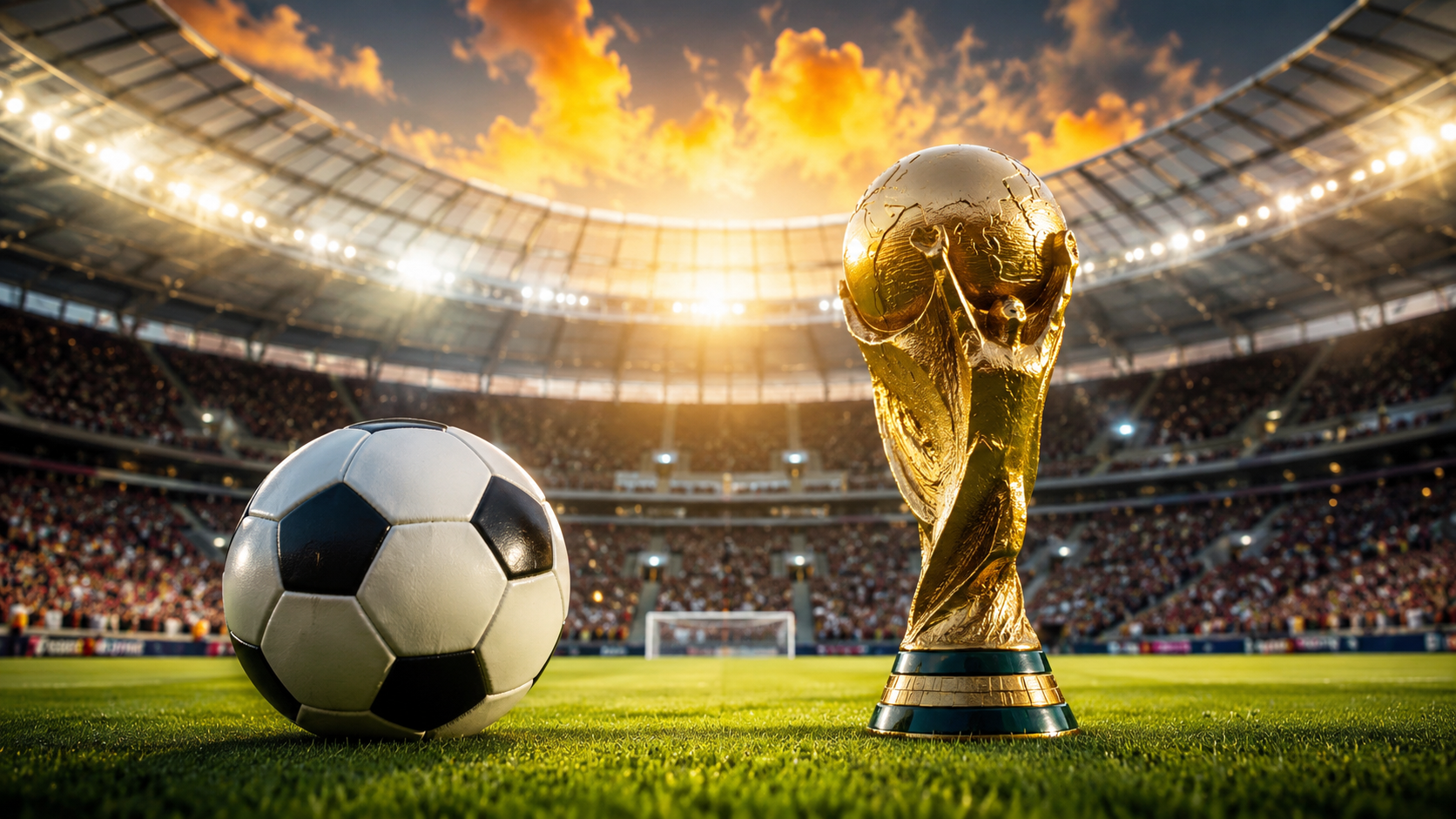
FIFA World Cup final ticket prices have triggered a new wave of criticism after football’s governing body sharply increased the cost of premium seats for the 2026 final in New Jersey. The organization now offers its highest-tier tickets for nearly $33,000, a dramatic jump from previous pricing phases. Fans, lawmakers and sports analysts are questioning whether the tournament is becoming inaccessible for ordinary supporters. At the same time, FIFA argues that the American entertainment market justifies the massive costs, as noted by Baltimore Chronicle via ESPN.
The July 19 final at MetLife Stadium is expected to become one of the most expensive sporting events in history. FIFA listed “front category one” tickets at $32,970, nearly triple the previous top-tier price of $10,990. Critics immediately pointed to the widening gap between wealthy corporate buyers and traditional football supporters.
Industry experts say the 2026 tournament may redefine the economics of global sports events.
FIFA defends massive World Cup ticket increases
FIFA president Gianni Infantino defended the new prices during the Milken Institute Global Conference in California. He argued that sports entertainment in the United States already operates at premium rates. According to Infantino, artificially lowering prices would simply strengthen the resale market.
He also claimed that secondary marketplaces already show even higher asking prices. Some resale listings for the World Cup final exceeded several million dollars. One seller reportedly offered a ticket for more than $11 million despite its location high in the upper deck.
That statement quickly fueled backlash online.
“Football is becoming a luxury experience instead of a global people’s game,” one sports economist told American media this week.
The pricing controversy comes during FIFA’s largest-ever World Cup expansion. The 2026 tournament will include 48 teams across the United States, Canada and Mexico. Organizers expect unprecedented commercial revenue from sponsorships, broadcasting rights and hospitality packages.
Prices for semifinal and U.S. matches also shock fans
The ticket increases are not limited to the final. FIFA also raised prices for semifinal games in Texas and Atlanta. Premium seats for the July 14 semifinal in Arlington reached more than $11,000.
Meanwhile, group-stage matches involving the United States national team also entered luxury-level territory.
Here are some of the publicly listed ticket prices:
| Match | Stadium | Highest listed price |
|---|---|---|
| World Cup Final | MetLife Stadium | $32,970 |
| Semifinal | AT&T Stadium | $11,130 |
| Semifinal | Mercedes-Benz Stadium | $10,635 |
| USA vs Paraguay | SoFi Stadium | $2,735 |
| USA vs Australia | Seattle venue | $2,715 |
| USA vs Turkey | SoFi Stadium | $2,970 |
The numbers surprised many long-time football fans. Some supporters compared the costs to Super Bowl pricing. Others argued that the prices already exceed many NFL championship packages.
World Cup ticket prices are now among the most searched sports topics in the United States this week.
Political pressure grows against FIFA pricing strategy
Two Democratic representatives from New Jersey, Frank Pallone and Nellie Pou, formally challenged FIFA’s ticket practices. They demanded answers regarding dynamic pricing policies, hidden ticket inventories and resale platform fees.
Lawmakers accused FIFA of creating artificial scarcity. According to their letter, the organization may be deliberately limiting ticket supply during specific sales phases. Critics believe this strategy pressures fans into paying inflated prices quickly.
The representatives also questioned the transparency of seating maps and resale fees. FIFA currently collects a 15% fee from both buyers and sellers on its official exchange marketplace.
That structure creates additional revenue streams beyond already expensive ticket prices.
Consumer advocates warn that the system could damage public trust before the tournament even begins.
How FIFA resale tickets became a separate market
The resale ecosystem surrounding the World Cup has grown into a massive business. FIFA says it does not control seller prices on the exchange marketplace. However, many observers believe the organization still benefits financially from speculative activity.
Several listings reached absurd numbers in recent weeks. Last month, someone attempted to sell final tickets for more than $2 million. Infantino joked that he would personally deliver a hot dog and Coke if someone actually paid that amount.
Before buying resale tickets, analysts recommend paying attention to several risks:
- Hidden platform service fees
- Unclear seat visibility details
- Last-minute ticket delivery delays
- Fraudulent secondary sellers
- Rapid pricing fluctuations before kickoff
These concerns are especially relevant for international travelers planning trips months in advance. Flights and hotel reservations around New York City are already increasing in price.
After major tournaments, resale markets often collapse shortly before matches begin. That trend may repeat during the 2026 competition.
Why the 2026 World Cup could reshape sports business forever
The upcoming World Cup represents more than football. Many analysts now see it as a large-scale experiment in global entertainment monetization. FIFA appears willing to test how far premium pricing can go inside the American market.
Some experts compare the strategy to luxury concert tours and Formula 1 events. In those industries, exclusive hospitality packages increasingly drive profits. Football may now follow the same direction.
At the same time, supporters fear losing the emotional atmosphere created by ordinary fans. Stadium culture historically depended on accessible ticket pricing. Expensive seats may change the identity of the tournament experience itself.
FIFA ticket controversy could therefore become one of the defining stories of the 2026 World Cup before the first match even begins.
Several sports business analysts predict ticket pricing debates will intensify closer to the tournament opening.
Earlier we wrote that Delta Air Lines snack and beverage changes hit short flights under 350 miles across US network