

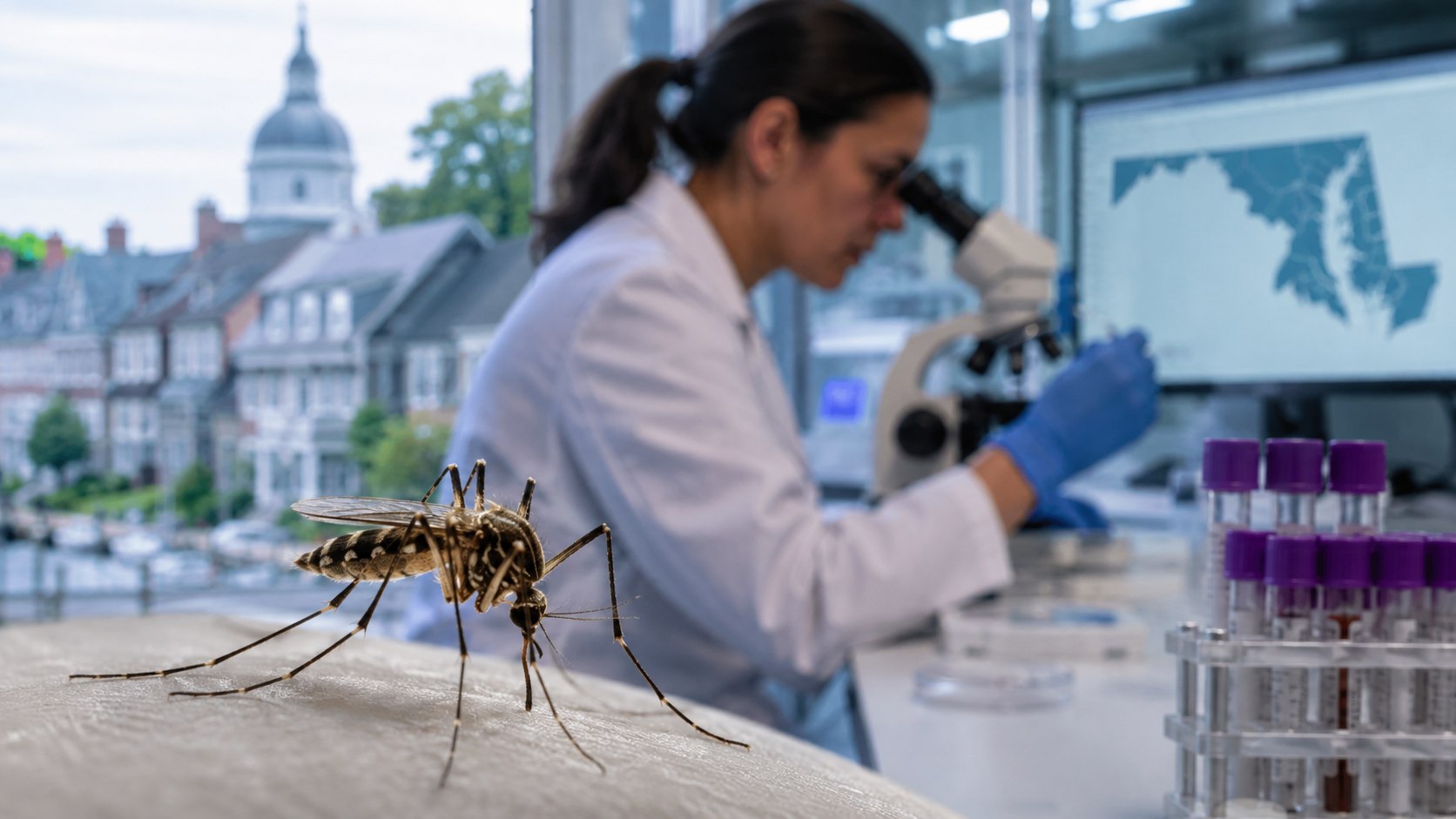
Maryland West Nile virus case has become the state’s first confirmed human infection of 2026. The patient lives in Maryland’s Capital Region, health officials reported. No identifying details were released, according to Baltimore Chronicle.
The Maryland Department of Health confirmed the infection on July 31. The virus can affect the nervous system and is mainly transmitted through infected mosquito bites.
How West Nile virus spreads in Maryland
Mosquitoes usually become infected after feeding on birds carrying West Nile virus. They can then transmit the virus by biting people.
Direct transmission between people is extremely rare. Documented routes include blood transfusions, organ transplants, breastfeeding and transmission during pregnancy.
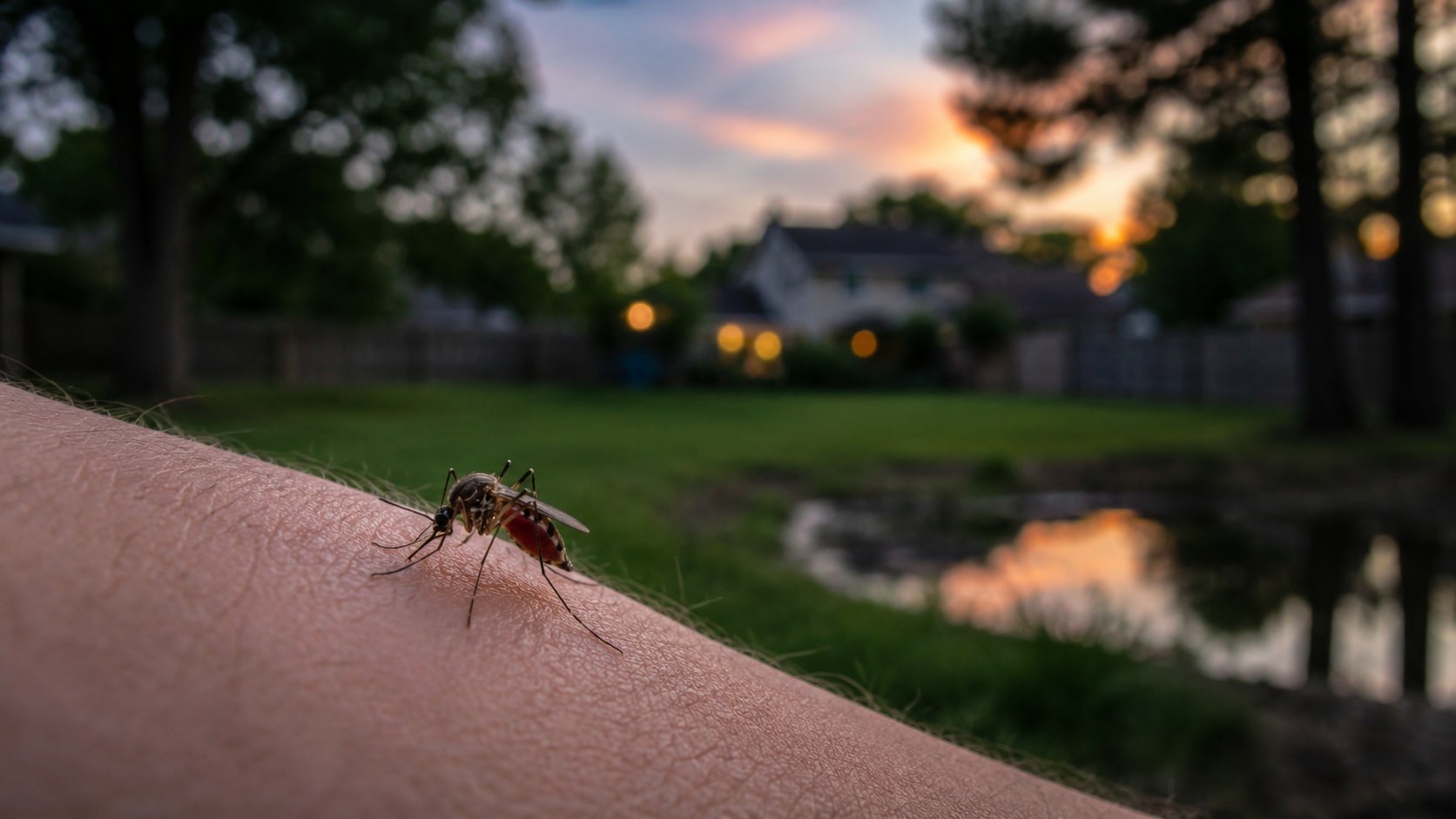
Maryland health officials warned that mosquito-borne infections spread during the summer season. Residents should remove standing water and reduce exposed skin outdoors.
West Nile virus symptoms to watch for
Up to 80% of infected people develop no noticeable symptoms. Those who become ill may initially experience signs resembling COVID-19 or another viral infection.
Common symptoms include:
- fever;
- headache;
- body aches;
- vomiting or diarrhea;
- skin rash;
- swollen lymph nodes.
Symptoms usually begin between 2 and 6 days after an infected mosquito bite. In some cases, they can appear within 14 days.
Most symptomatic infections remain mild. However, older adults and people with underlying conditions face a higher risk of neurological complications.
| Infection outcome | Estimated frequency |
|---|---|
| No symptoms | About 80% |
| Mild febrile illness | About 20% |
| Severe neurological disease | Less than 1% |
Severe illness may involve meningitis, encephalitis or acute muscle weakness. Anyone experiencing confusion, severe headache or sudden weakness should seek medical care promptly.
How Maryland residents can prevent mosquito bites
Deputy Secretary Dr. Meg Sullivan said personal protection remains the strongest defense. She advised residents to use repellent, cover exposed skin and remove standing water.
The CDC prevention guidance recommends:
- using an EPA-registered insect repellent;
- wearing loose, long-sleeved clothing;
- checking window and door screens;
- avoiding outdoor exposure between dusk and dawn;
- emptying containers where rainwater collects.
West Nile virus has no widely available human vaccine. Prevention therefore depends on limiting mosquito bites and breeding areas.
Earlier we wrote that FDA approves Tylenol with Naproxen for 12-hour pain relief