

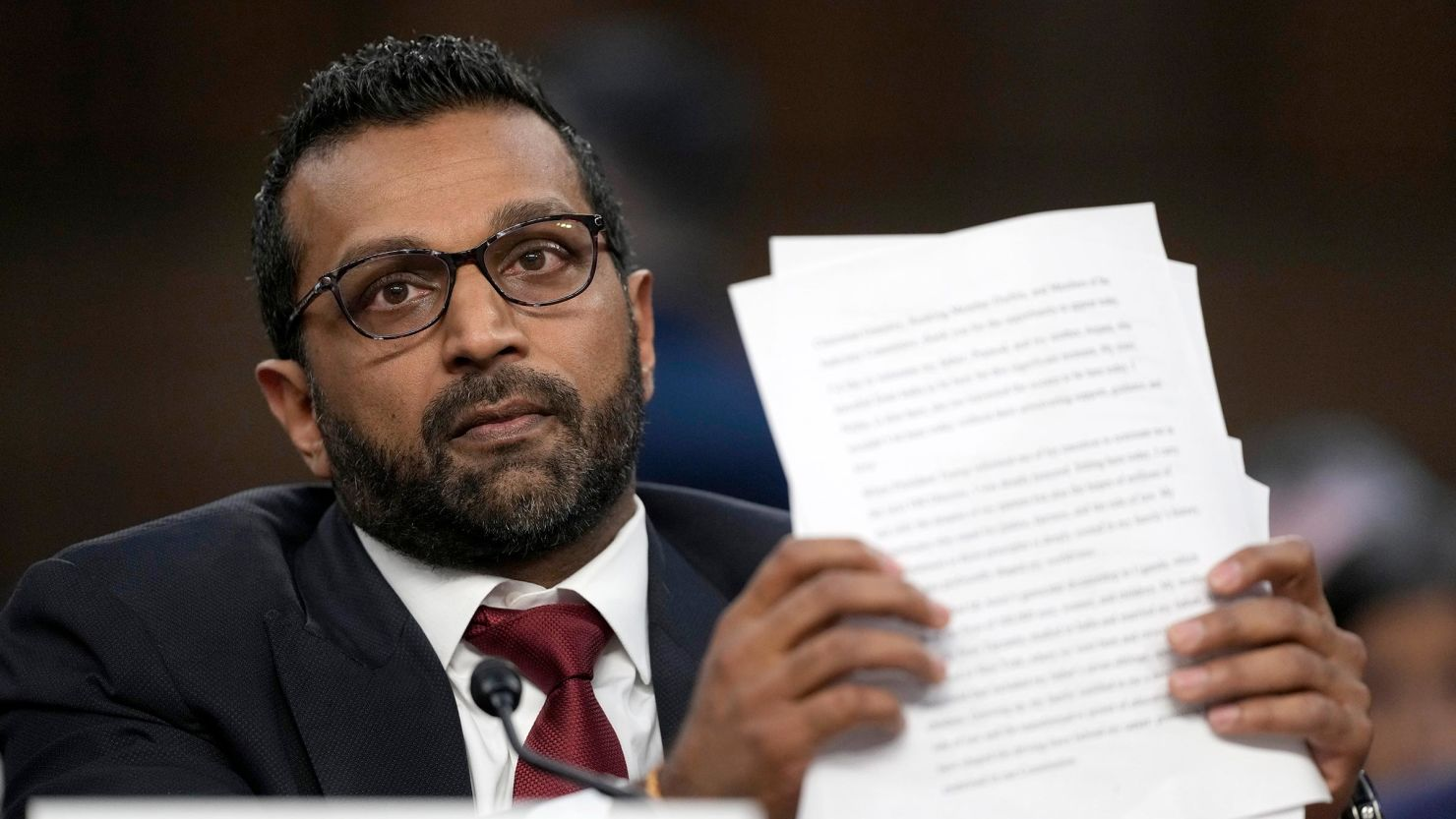
Iran-linked group claims hack of FBI Director Kash Patel as part of an escalating cyberwarfare campaign against US officials. This bold assertion by the Handala Hack Team suggests a major breach of the nation’s top law enforcement leadership. The group allegedly stole sensitive personal and confidential information including private emails, resumes, and various official documents. If these claims are fully verified, it would represent the most significant cyberattack in the current geopolitical conflict. The FBI has not officially responded to the breach, but sources suggest a personal email account was compromised. Handala posted photos of Patel in Cuba and snippets of a resume to support their claims on their website. Experts warn that Iran uses such proxy groups to maintain plausible deniability while conducting destructive digital operations. This attack is reportedly a direct response to recent FBI operations that seized several of Handala’s web domains. Cybersecurity analysts continue to monitor the situation as more data might be leaked to the public, as noted by the Baltimore Chronicle via Axios.
The Handala Hack Team and the evidence of the breach
The pro-Iranian hacktivist group known as Handala has a history of targeting critical infrastructure and major global corporations. In this latest incident, they published a zip file allegedly containing massive amounts of data from Patel’s personal accounts. Among the leaked materials are photographs showing the Director in various social settings, including a trip involving cars with Cuban plates. These visual proofs are intended to embarrass the official and demonstrate the depth of the hackers’ access. The group specifically mentioned that their actions were a retaliation for a 10 million dollar reward offered for their capture. While the validity of every file has not been confirmed, the leak of a resume snippet has caused significant concern.
The following elements were reportedly included in the leaked materials published by the group:
- Personal emails sent and received by Kash Patel over an extended period.
- Confidential documents related to past legal work and private business ventures.
- High resolution photographs of the Director during private travel in Cuba.
- An older version of his professional resume containing personal contact details.
- Internal files that may contain sensitive government related communications or schedules.
- A massive zip file containing gigabytes of unverified data for public download.
Handala has gained a reputation for combining technical skill with aggressive psychological operations designed to create chaos. They often exaggerate the scale of their thefts to gain more media attention and prestige in the underground community. However, the confirmation from some sources about a breach in Patel’s email suggests this incident is not entirely fabricated. The group’s ability to target the head of the FBI shows a high level of persistence and tactical planning. US intelligence agencies are currently investigating how the initial access to these private accounts was originally gained. The use of personal accounts by high ranking officials remains a significant vulnerability for the entire security apparatus.
Retaliation and the broader context of cyber espionage
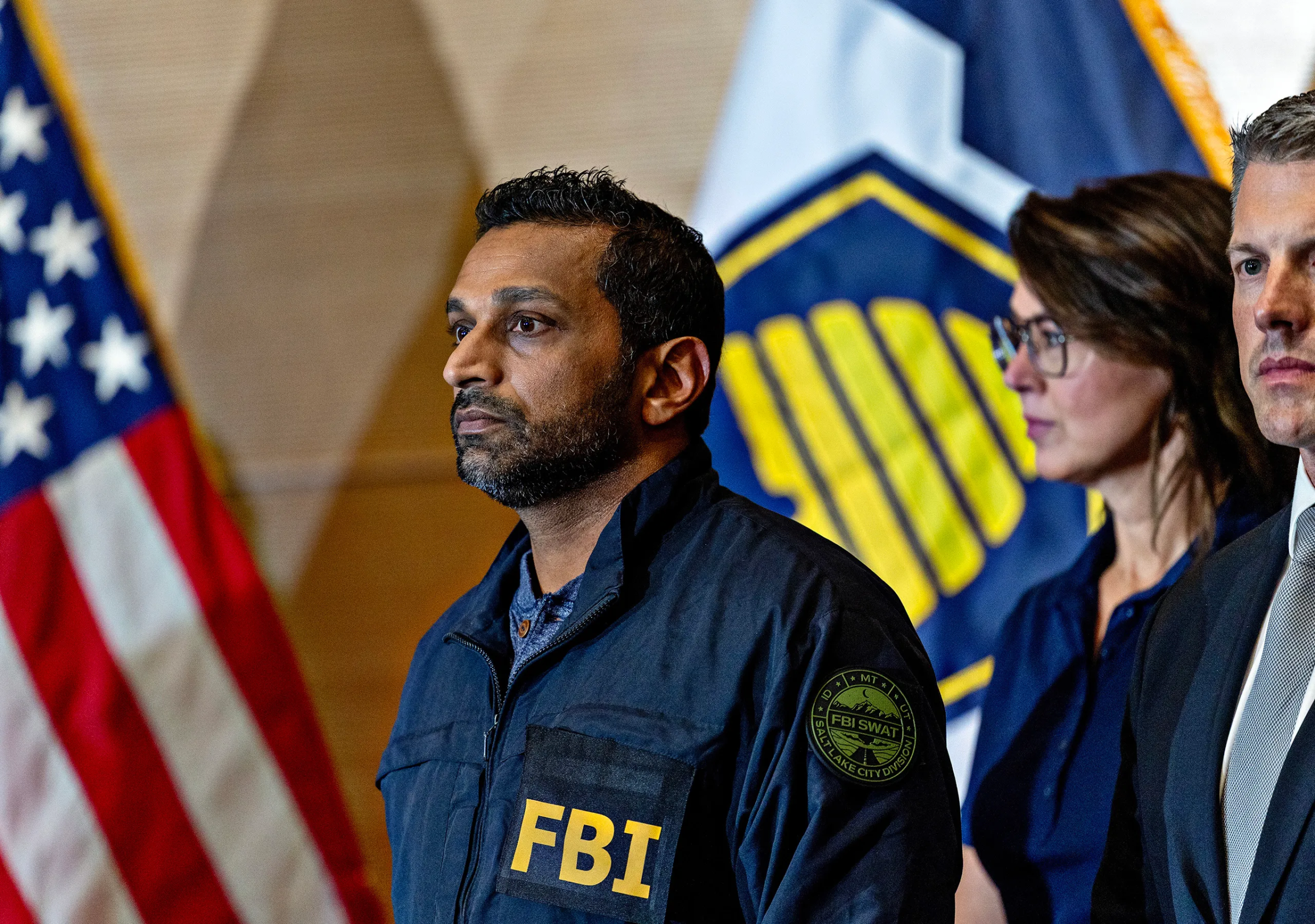
Handala claims the breach is a direct counterstrike against the FBI for seizing their domains following an attack on Stryker. The hackers described the FBI’s recent enforcement actions and the high bounty on their heads as a ridiculous show. By targeting the Director himself, the group aims to undermine the credibility of the bureau and its leadership. This move fits into a broader pattern where Iranian intelligence uses proxies to harass and intimidate Western officials. Intelligence experts suggest that these operations are designed to distract the US from other strategic priorities in the region. The ongoing digital conflict has moved from simple website defacements to the theft of highly sensitive personal data.
A comparison of the parties involved and their recent activities in the cyber domain:
| Entity involved | Reported recent activity | Primary strategic objective |
| Handala Hack Team | Stole data from FBI Director and targeted Stryker medical tech. | Disrupt US operations and retaliate for domain seizures. |
| FBI | Seized hacker domains and offered a 10 million reward. | Neutralize cyber threats and identify foreign intelligence proxies. |
| Iranian Intelligence | Providing support and infrastructure to hacktivist proxy groups. | Conduct asymmetric warfare while maintaining plausible deniability. |
| Department of Justice | Investigating the extent of the Patel email breach. | Protect national security and mitigate data leak damage. |
The escalation of these attacks highlights the porous nature of the digital border between private and professional lives. Even the most protected officials can fall victim to sophisticated phishing or credential harvesting if they use personal platforms. The Department of Justice is now forced to conduct a damage assessment to see if classified info was discussed. Cybersecurity firms are warning other government leaders to increase their security protocols and move away from personal emails. Handala’s success in this operation will likely embolden other state sponsored groups to try similar high profile targets. Future attacks may include more destructive elements if the geopolitical tension between the US and Iran continues to rise.
Implications for national security and future cyber defense
The breach of a top official’s data creates a significant counterintelligence risk for the entire United States government. Information stolen from a resume or private emails can be used to map out social circles and professional connections. Foreign intelligence services can use this map to launch even more targeted attacks against other vulnerable government employees. The publicity surrounding this hack also serves as a propaganda victory for the Iranian regime and its supporters. It demonstrates that not even the head of the premier domestic intelligence agency is safe from digital intrusion. Lawmakers are already calling for stricter regulations regarding the cyber hygiene of executive branch leaders and their staff.
Steps being taken to mitigate the risks of high level data breaches:
- Transitioning all official and semi official communication to encrypted government servers.
- Mandatory multi factor authentication using physical hardware keys for all top tier leadership.
- Constant monitoring of the dark web for any signs of leaked government credentials.
- Increased funding for the attribution of cyberattacks to specific foreign military units.
- Diplomatic and economic sanctions against countries that harbor and support hacktivist groups.
- Public awareness campaigns to explain the dangers of using personal accounts for work.
Protecting the digital identity of public figures is now a matter of national survival in the age of information war. Every piece of leaked data provides an opportunity for an adversary to craft a more convincing narrative or threat. The FBI is likely to increase its efforts to track down the individuals behind the Handala moniker in the coming weeks. This incident will serve as a case study for security teams on how to protect high value targets. As the war between the US and Iran continues to play out in the digital realm, the stakes remain high. Ensuring that the leadership of the country is not compromised is the highest priority for the intelligence community.
Earlier we wrote that Delta Air Lines suspends specialty services for members of Congress amidst shutdown chaos