

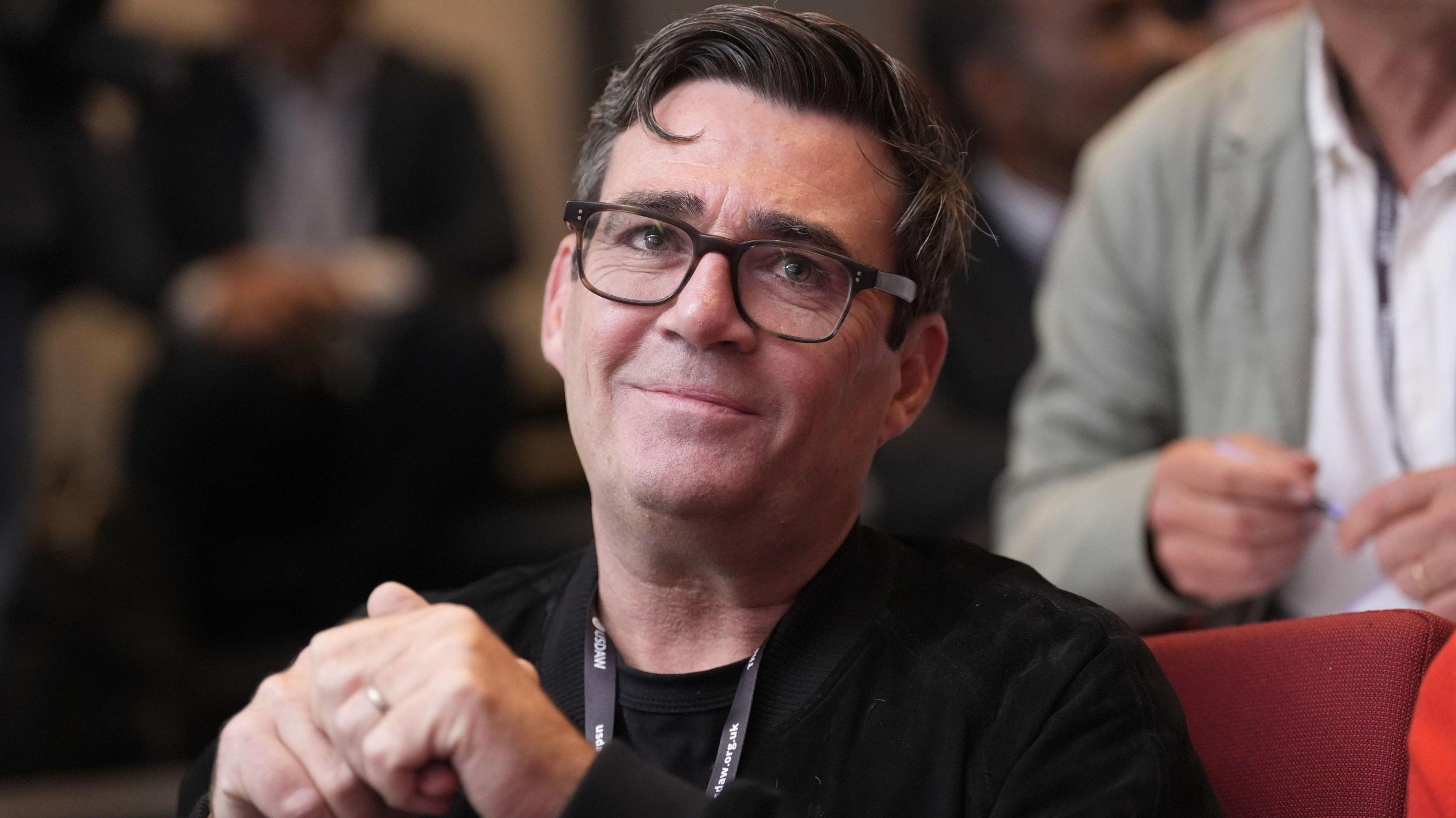
Andy Burnham becomes UK prime minister on July 20, replacing Keir Starmer after another turbulent Labour leadership change. The former Greater Manchester mayor is Britain’s seventh prime minister since 2016, as the Baltimore Chronicle editorial team notes.
Starmer delivered his farewell address outside 10 Downing Street before formally resigning to King Charles III. He declared that his work was complete and defended Labour’s record during his two years in government.
Andy Burnham becomes UK prime minister without a general election
King Charles III formally appointed Burnham during an audience at Buckingham Palace. The monarch asked the Labour leader to form a government, completing the constitutional transfer of power.
Britain’s parliamentary system allows governing parties to replace prime ministers between national elections. Labour maintains its Commons majority, so a nationwide vote was not required. The next general election must take place by 2029, although Burnham may call it earlier.
The transition followed several decisive steps:
- Starmer made his final statement at Downing Street.
- He submitted his resignation to King Charles III.
- Burnham attended a separate palace audience.
- The king invited Burnham to form a government.
- Burnham returned to Downing Street as prime minister.
The ceremony is traditionally called “kissing hands,” although no hand-kissing occurs. The phrase survives from an era when monarchs exercised direct political authority.
Why Keir Starmer resigned as prime minister
Starmer announced his departure in June after political mistakes weakened his authority inside Labour. Falling public support and internal pressure made his position increasingly difficult.
“I go with good grace, I go with a smile,” Starmer said during his final Downing Street appearance. He argued that Britain had become stronger and fairer under his government.
His record included stronger employment protections, increased defence spending and continued support for Ukraine. However, these policies failed to prevent a leadership revolt.
| Key event | Date |
|---|---|
| Starmer announced his resignation | June 22, 2026 |
| Burnham became Labour leader | July 17, 2026 |
| Burnham received support from Labour MPs | 379 MPs |
| Starmer formally left office | July 20, 2026 |
| Burnham became prime minister | July 20, 2026 |
Burnham faced no rival in the final Labour contest. He secured nominations from 379 Labour MPs and support from 23 affiliated organisations.
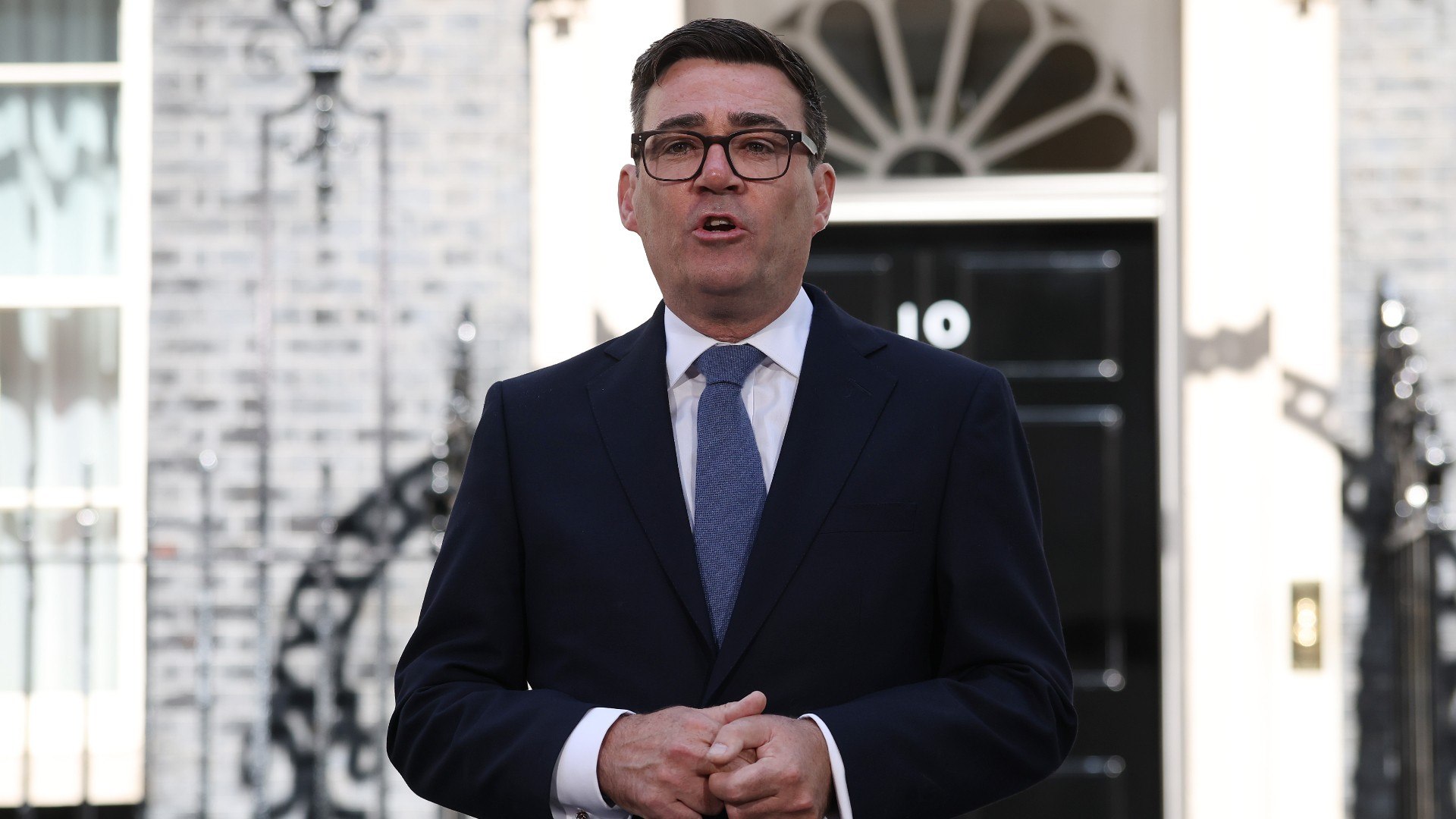
What Andy Burnham has promised Britain
Burnham has promised to make British politics less toxic and improve living standards. He also wants to shift decision-making away from Westminster and restore confidence in public institutions.
“The country is crying out for it,” Burnham said after becoming Labour leader. His immediate challenge will involve converting broad promises into funded government policies.
His first priorities include:
- forming a new Cabinet;
- addressing the cost-of-living crisis;
- reducing rough sleeping;
- increasing regional political powers;
- presenting a 10-year national plan.
Burnham is expected to replace several senior ministers. Particular attention will focus on his choices for chancellor, foreign secretary and home secretary.
Economic growth remains the central test for the new government. Weak productivity, pressured public services and limited public finances could restrict Burnham’s programme.
Earlier we wrote that Baltimore County Police give new officers autism response kits