

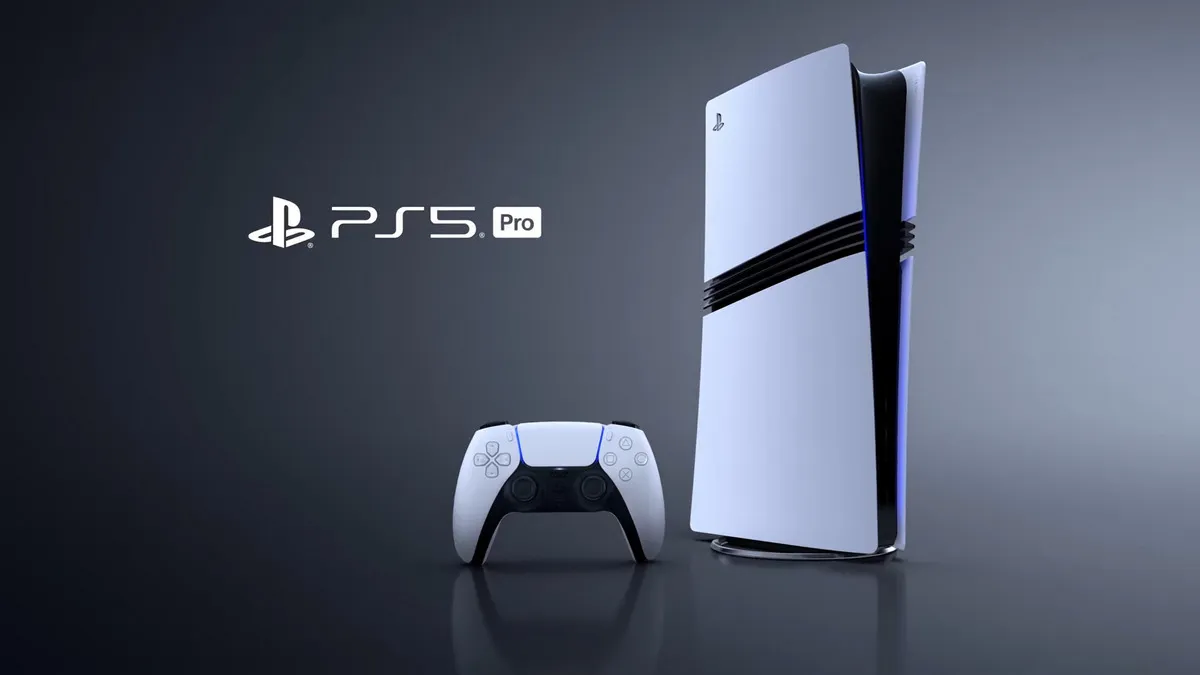
Sony announces price rises for PS5, PS5 Pro, and PlayStation Portal as the company grapples with global economic challenges. This significant shift in pricing strategy marks a major turning point for the current gaming hardware generation. Industry experts point to rising production costs and supply chain complexities as primary drivers for this difficult decision. The Japanese tech giant maintains that these increases are essential for continued innovation and high quality gaming experiences. Starting April 2, 2026, consumers across the globe will face substantially higher costs for the popular gaming hardware. Many analysts suggest that these price adjustments reflect a broader trend of inflation affecting the entire consumer electronics sector. The official statement from Sony Interactive Entertainment highlights a careful evaluation of the current global financial situation. Players in the United States, Europe, and Japan will see the impact on their local retail shelves immediately. This move has sparked intense debate among the gaming community regarding the future affordability of premium console hardware, as noted by the Baltimore Chronicle via PlayStation Blog.
Detailed breakdown of the new PlayStation hardware prices globally
The financial impact of this decision varies across different regions but represents a consistent upward trend in all markets. In the United States, the standard version of the console with a disc drive now reaches a new peak. European gamers will also see their recommended retail prices climb to match the current economic reality of the zone. Japan faces a particularly steep increase when converted to local currency values for the domestic consumer market. Sony representatives explain that the goal remains to deliver the best possible entertainment despite these rising operational costs. The PlayStation Portal remote player is not exempt from this round of adjustments and sees a proportional increase. Understanding these specific figures is crucial for anyone planning a hardware purchase in the coming months of 2026.
New recommended retail prices effective from April 2, 2026:
- U.S. PS5 Standard: $649.99
- U.S. PS5 Digital Edition: $599.99
- U.S. PS5 Pro: $899.99
- Europe PS5 Standard: €649.99
- Europe PS5 Digital Edition: €599.99
- Europe PS5 Pro: €899.99
- U.K. PS5 Standard: £569.99
- U.K. PS5 Pro: £789.99
- Japan PS5 Pro: ¥137,980
These figures represent a significant jump from the original launch prices seen back in November 2020. The standard model is now 100 dollars more expensive than its debut price in the North American market. Such a move is rare in the history of console cycles which typically see prices drop over time. However, the unique pressures of the mid 2020s have forced a reconsideration of traditional hardware business models. Many fans are now reconsidering their upgrade paths toward the high end Pro model due to the cost. The digital edition remains the entry point but even that has crossed the 500 dollar threshold significantly.
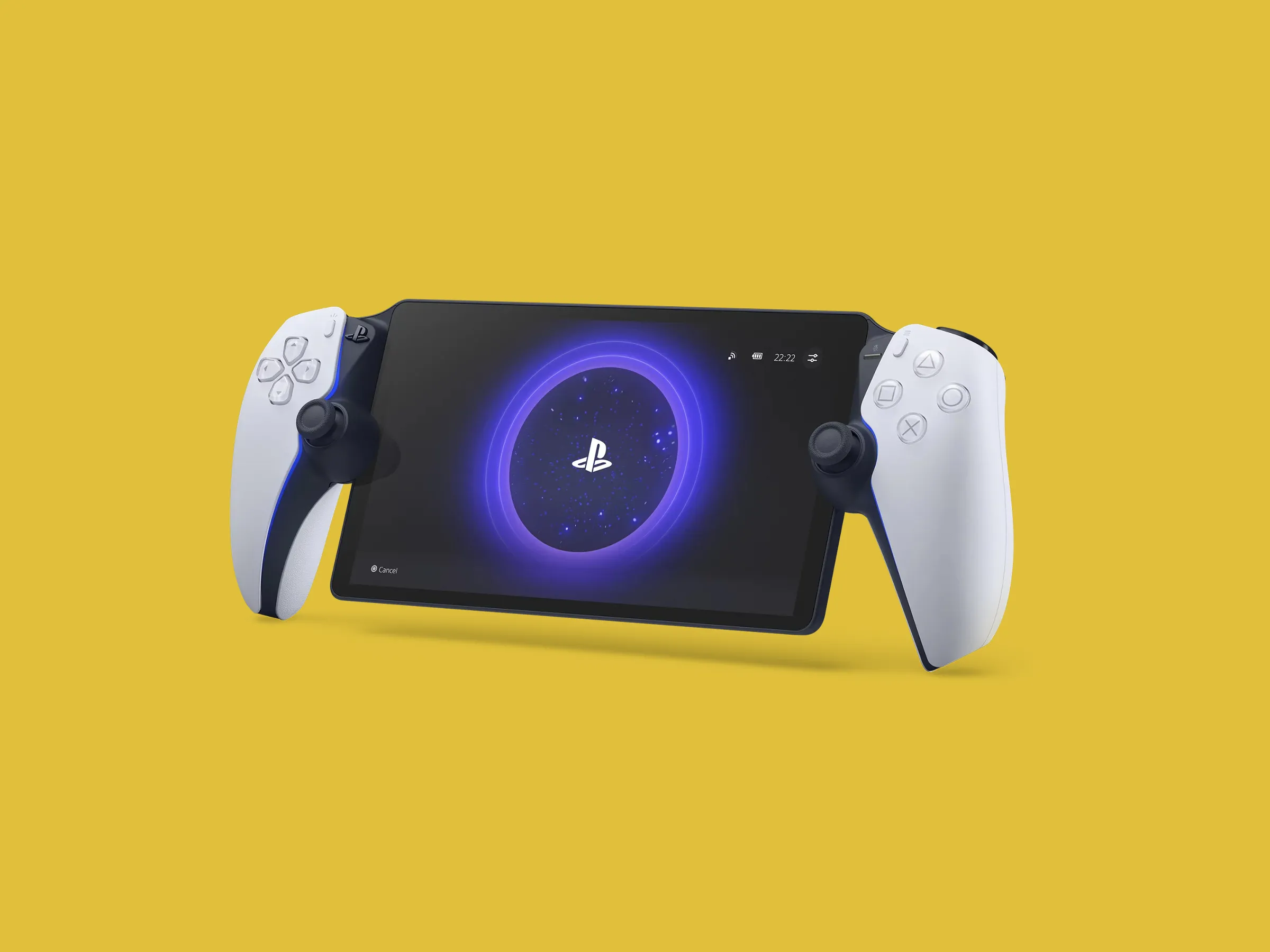
Impact on the PlayStation Portal and peripheral ecosystem
The PlayStation Portal remote player has also seen its price tag adjusted to reflect current manufacturing and shipping costs. This device has gained popularity for its ability to stream games directly from a local PS5 console. With a new price of 249.99 dollars in the U.S., it becomes a more substantial investment for casual players. Sony emphasizes that the device continues to offer a unique way to engage with the PlayStation library. The price rise for peripherals suggests that the economic pressures are not limited just to the main console units. This across the board increase signifies a strategic shift to maintain profit margins in a volatile global market.
Comparison of hardware costs across major global regions:
| Region | PS5 Digital Edition | PS5 Pro Model | PS Portal |
| United States | $599.99 | $899.99 | $249.99 |
| Europe | €599.99 | €899.99 | €249.99 |
| United Kingdom | £519.99 | £789.99 | £219.99 |
| Japan | ¥89,980 | ¥137,980 | ¥39,980 |
The table highlights how the price hike is applied uniformly across the most active gaming territories in the world. For many, the 900 dollar price point for the Pro model represents a luxury tier of gaming hardware. It is important to note that these are recommended retail prices and local taxes may apply differently. Retailers are expected to update their inventory systems to reflect these changes by the April 2 deadline. Prospective buyers still have a short window to secure hardware at current rates before the new policy begins. This global alignment ensures that Sony can balance its books across diverse currency fluctuations and regional inflation rates.
Analyzing the causes behind the global economic landscape pressures
Isabelle Tomatis from Sony Interactive Entertainment pointed specifically to the global economic landscape as the primary reason for this change. Inflationary pressures have impacted everything from semiconductor manufacturing to international freight and logistics during the last two years. While Sony previously hiked prices in select regions, this global sweep indicates a more persistent set of financial challenges. The company claims these steps are necessary to fund future research and development for the next generation. Maintaining high quality services like PlayStation Plus and developing first party titles also requires significant capital investment today. The gaming industry is no longer immune to the broader economic trends affecting the global tech sector.
The community reaction has been a mix of disappointment and understanding regarding the necessity of corporate sustainability. Many users are turning to the used market or looking for bundles to offset the higher retail costs. Sony continues to promise a strong lineup of exclusive games to justify the increased entry fee into the ecosystem. The timing of the announcement is also strategic, coming well before the major holiday shopping seasons of later 2026. This allows the market to stabilize and adjust to the new reality of premium console pricing. Analysts will be watching closely to see if competitors like Microsoft or Nintendo follow a similar path. For now, PlayStation remains the market leader but with a significantly higher barrier to entry for new adopters.
Earlier we wrote that OpenAI shutters AI video generator Sora: everything you need to know about the 2026 shutdown