

Daylight saving time in the USA 2026 remains a critical seasonal transition for millions of residents across most states. This annual adjustment aims to make better use of natural daylight as we move into the warmer months of the year. Most people look forward to the extra hour of evening light that characterizes the spring and summer seasons. However the process of changing the clocks always brings questions about the exact dates and specific timing for the adjustment. It is essential to understand that this change affects everything from business schedules to international flight connections and domestic logistics. Proper preparation helps minimize the temporary disruption to your biological clock and daily productivity levels during the first week. While many modern devices update their systems automatically older appliances still require manual intervention to stay accurate. Understanding the legal framework and regional exceptions ensures that you are never caught off guard by the sudden shift. This transition is a shared experience that signals the arrival of spring as noted by the Baltimore Chronicle.
Precise dates and timing for the spring transition in 2026
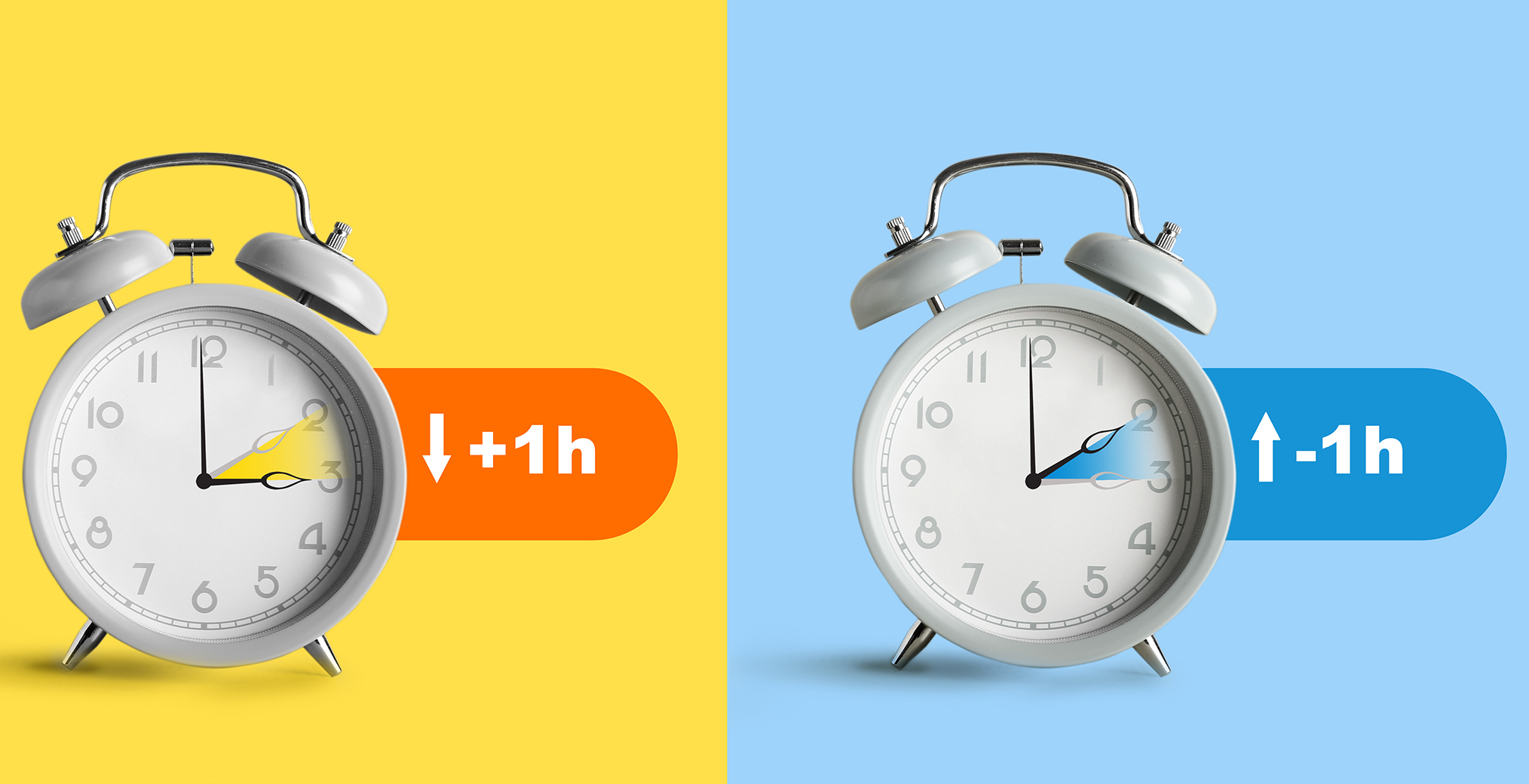
The official start of daylight saving time in the USA always occurs on the second Sunday of March each year. In 2026 this transition is scheduled for March 8 when the clocks will be moved forward by one hour. At exactly 02:00 in the morning the time will jump to 03:00 across the participating states and territories. This “spring forward” mechanism results in the loss of one hour of sleep during that particular weekend night. Most residents prefer to adjust their manual timepieces before going to bed on Saturday night to avoid confusion. It is worth noting that Hawaii and most of Arizona do not participate in this seasonal time change. Residents in those areas maintain standard time throughout the entire year without any shifts in their daily schedule. Federal law governs the uniform start and end dates to keep the national economy and transport networks synchronized.
Maintaining a consistent schedule during this period is vital for professional workers and students who rely on precise timing. Digital infrastructure including banking systems and telecommunications is programmed to handle these shifts without any user input required. However it is always wise to double check your primary alarm clock to ensure a smooth Monday morning. The shift to later sunsets allows for more outdoor activity and can lead to a slight reduction in residential energy use. Local governments often use this day as a reminder for citizens to check other home safety devices like smoke detectors.
| Device category | Adjustment method | Critical user actions |
| Smartphones and tablets | Automatic | Ensure network time sync is enabled |
| Modern computers | Automatic | Check for latest operating system updates |
| Analog wristwatches | Manual | Move the hands forward by 60 minutes |
| Kitchen appliances | Manual | Refer to the manual for clock settings |
| Car dashboards | Depends on model | Update via settings menu or GPS sync |
While the technical aspect of changing the clocks is straightforward the human body needs more time to adapt. Health experts suggest that losing just one hour of sleep can affect your mood and concentration for several days. It is recommended to adjust your evening routine gradually in the days leading up to the second Sunday of March. Getting plenty of sunlight on Sunday morning helps reset your internal circadian rhythm more effectively than staying indoors. Avoid heavy meals or caffeine late in the evening to ensure your body enters a deep sleep cycle. Small lifestyle adjustments can significantly reduce the feeling of fatigue often associated with the spring time change.
Impact on health and daily life across the United States
The transition to daylight saving time has a measurable impact on public health and road safety statistics every year. Research indicates a slight increase in traffic accidents on the Monday immediately following the clock change due to fatigue. Employers often notice a dip in productivity as workers struggle to align their internal clocks with the new schedule. On the positive side the extra hour of daylight in the evening encourages more physical exercise and outdoor recreation. This shift supports the local economy by increasing foot traffic in shopping districts and public parks after work hours. Many people report an improvement in their overall mood thanks to the increased exposure to natural vitamin D. The debate over whether to make daylight saving time permanent continues to be a topic of interest in Congress.
- Go to bed 15 minutes earlier each night starting on the previous Thursday
- Expose yourself to bright morning light to help reset your internal clock
- Keep your bedroom cool and dark to improve the quality of your rest
- Limit the use of electronic screens at least one hour before your planned bedtime
- Stay hydrated and maintain a regular exercise schedule during the transition week
- Be extra cautious while driving or operating machinery on the first Monday
As the days grow longer the benefits of the time change become more apparent in our social interactions. Families find more time for evening walks and community events that were not possible during the shorter winter days. The architectural beauty of American cities is better appreciated when bathed in the golden light of a late sunset. Even though the initial change requires a bit of effort the long term rewards for mental health are significant. Planning ahead for March 8 2026 ensures that you can enjoy the transition without any unnecessary stress or tiredness. The United States continues this tradition to balance economic needs with the natural cycles of the changing seasons. By following these simple steps you can make the most of the upcoming spring and summer periods.
Earlier we wrote that NASA announces new Mars mission and reshapes lunar goals for a permanent base