

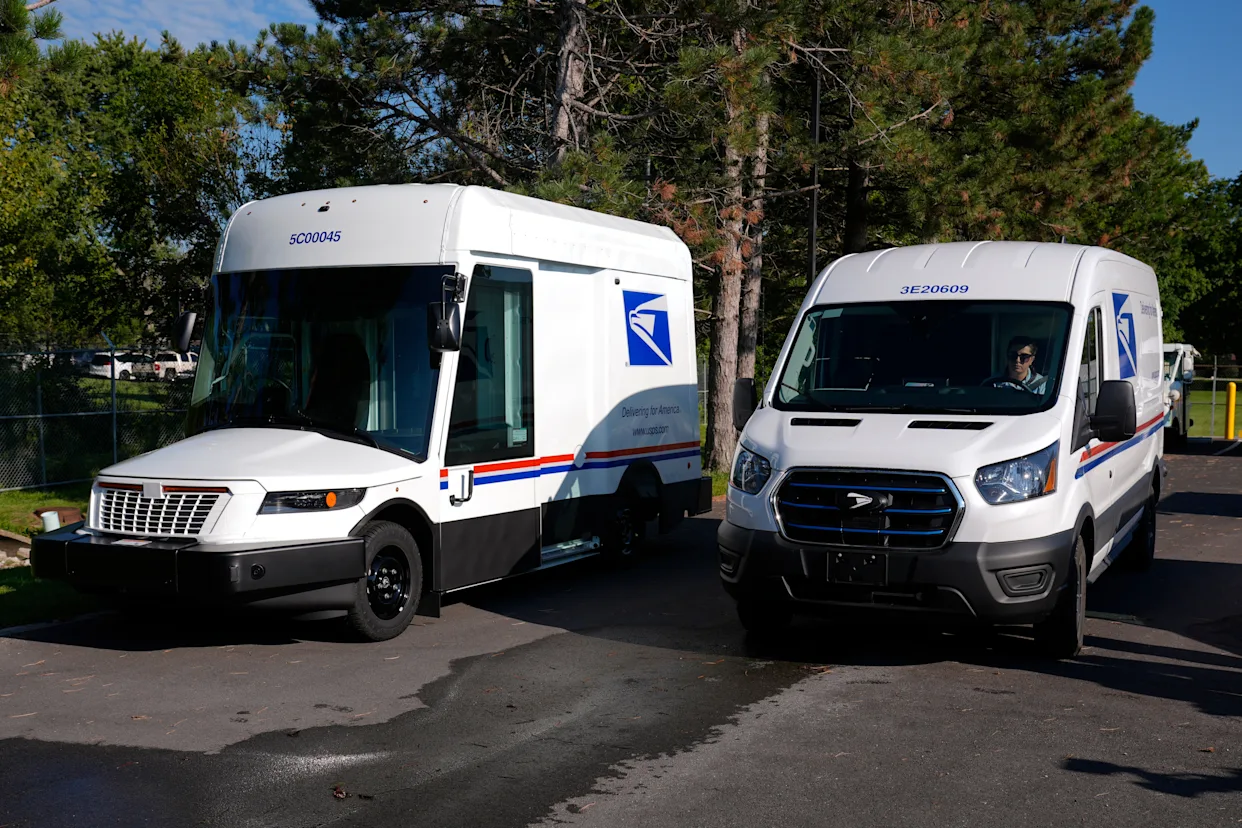
USPS seeks temporary 8% charge on several of its most popular shipping services to address a financial crisis. The agency filed a formal notice with the Postal Regulatory Commission on Wednesday regarding these specific price adjustments. If approved, the new rates will take effect on April 26 and remain until January 17, 2027. This move is designed to blunt the impact of rapidly rising transportation and fuel costs across the country. Postmaster General David Steiner has warned that the agency could run out of cash within a single year. Letter volumes continue to plummet while the costs of logistics and delivery reach new historic highs in 2026. The independent agency claims it has steadfastly avoided the aggressive surcharges commonly used by its private sector competitors. Congress requires the service to ensure that the actual costs of doing business are fully covered by revenue. This temporary measure provides the necessary flexibility to maintain essential delivery operations as noted by the Baltimore Chronicle.
Impact on shipping products and consumer costs
The proposed increase targets specific high-volume shipping products rather than standard mail or basic services for individuals. Only competitive shipping categories will see the 8% adjustment to help stabilize the agency’s balance sheet this year. Officials clarify that First-Class Stamps will not be affected by this specific request to the regulatory commission. The goal is to keep the postal service competitive while acknowledging the reality of modern logistical expenses. Private competitors have already implemented much higher surcharges for fuel and holiday peak periods recently. USPS claims their proposed charge is less than one-third of what private carriers currently demand for fuel. Customers will need to factor these new rates into their spring and summer shipping budgets for 2026.
Specific products affected by the proposed temporary price increase:
- Priority Mail Express: the fastest domestic service for urgent documents and packages.
- Priority Mail: the standard 1-3 day shipping service used by millions of small businesses.
- USPS Ground Advantage: the primary option for reliable and affordable ground shipping across the states.
- Parcel Select: a service designed for large volume shippers who utilize local entry points.
Small businesses that rely on these services for e-commerce should prepare for higher overhead starting in late April. The timing of the increase covers the busy spring period and the entire upcoming winter holiday season. Analysts suggest that the 8% hike is a defensive move to prevent a complete collapse of liquidity. If the Postal Regulatory Commission denies the request, the agency may face even more drastic service cuts. Frequent shippers should consider pre-paying for labels or looking into high-volume discounts before the April deadline. These changes reflect the ongoing tension between public service mandates and the need for fiscal self-sufficiency.
Financial reforms and the future of the postal service
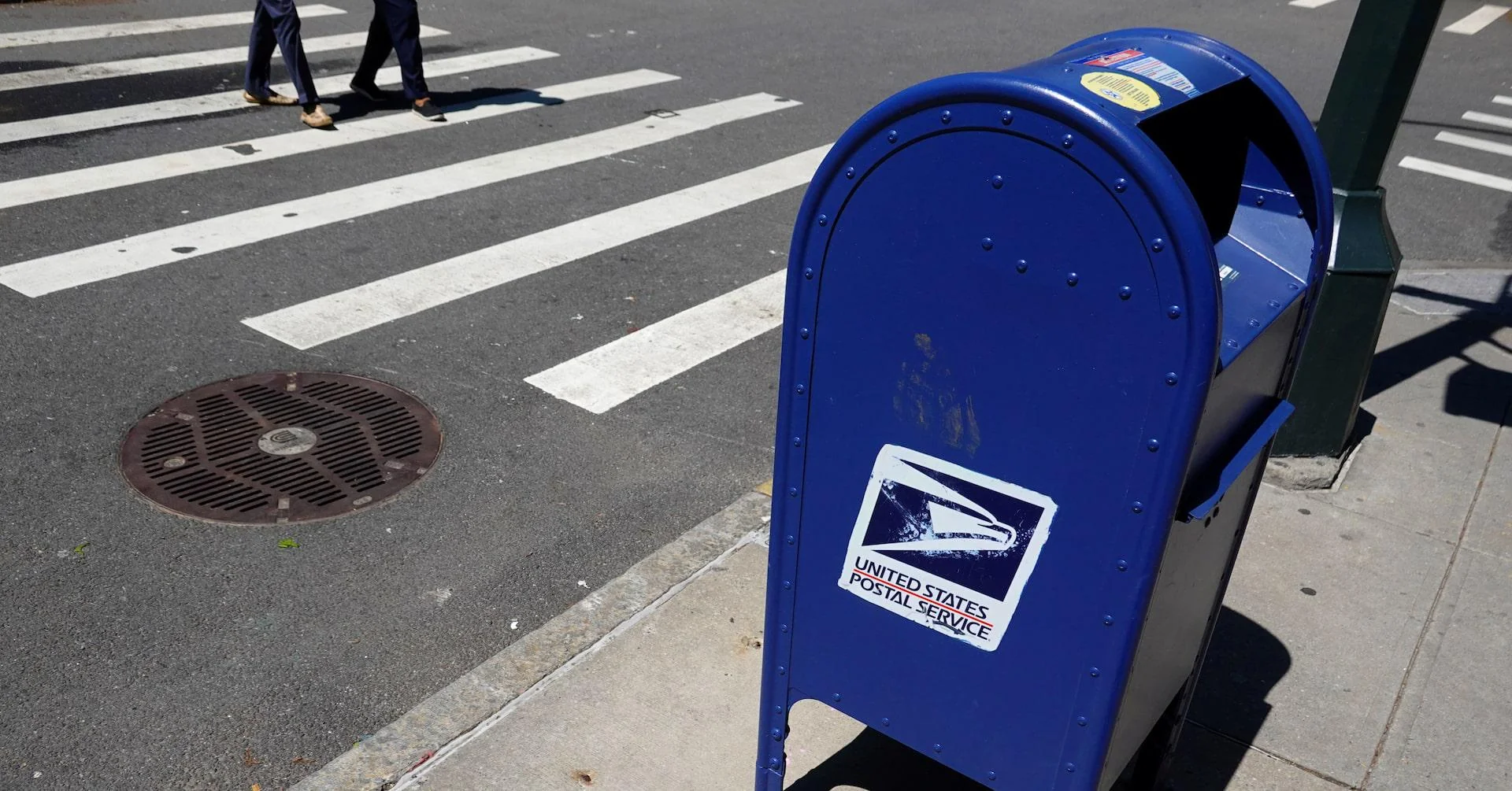
Postmaster General David Steiner is pushing for broader legislative changes to save the independent agency from bankruptcy. He has repeatedly asked Congress to lift the decades-old cap on borrowing to provide a temporary safety net. Without the authority to raise prices or borrow more funds, the service faces an uncertain operational future. Steiner argues that the agency must have the power to cover its losses through market-based pricing strategies. The decline in traditional letter mail has removed a primary source of reliable revenue for the organization. Transitioning to a package-heavy business model requires massive investments in new sorting technology and electric delivery vehicles. The current transportation costs represent a significant hurdle to completing this modernization plan by early 2027.
| Product category | Proposed change | Status of first-class stamps |
| Priority Mail | 8% increase | no change scheduled |
| Priority Mail Express | 8% increase | no change scheduled |
| USPS Ground Advantage | 8% increase | no change scheduled |
| Parcel Select | 8% increase | no change scheduled |
The data shows a clear focus on commercial shipping rather than individual consumer correspondence or bill paying. This strategy attempts to protect the average citizen while extracting more revenue from the booming e-commerce sector. However, large retailers may pass these additional shipping costs directly onto the consumers through higher delivery fees. The regulatory commission will now enter a period of review to determine if the hike is fair. Public comments and industrial feedback will likely play a role in the final decision next month. Regardless of the outcome, the financial health of the USPS remains a critical concern for the national economy. Maintaining a reliable postal network is essential for medicine delivery, legal documents, and small business logistics.
Earlier we wrote that Largest Ever Rial Note Issued in Iran as Citizens Queue for Cash Withdrawals