

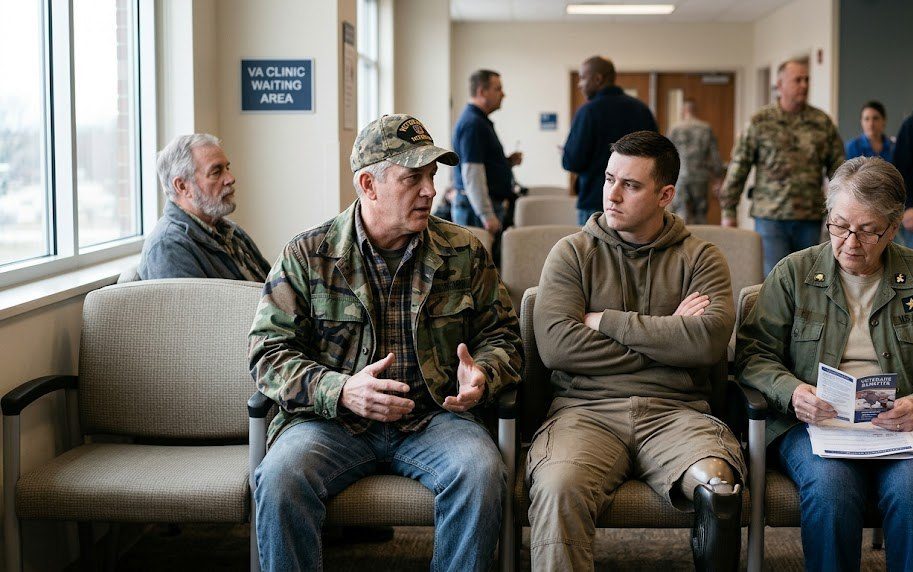
Take Care of America’s Veterans Act legislation reached the House floor on July 16, placing a major veterans package at the center of a bitter funding dispute. The measure combines more than 60 proposals covering health care, disability claims, caregivers, survivors and military retirees. A final House vote was postponed after lawmakers rejected an attempt to return the bill to committee, as noted by the Baltimore Chronicle editorial team.
What the veterans bill would change
H.R. 9237 would expand community health care, suicide-prevention services, caregiver assistance and employment programs. It also includes changes to survivor benefits, VA technology and disability-claim processing.
Key measures include:
- wider access to VA and community medical care;
- stronger caregiver and mental-health support;
- expanded GI Bill and apprenticeship benefits;
- higher assistance for some severely disabled veterans;
- new protections for surviving spouses.
The package also includes the Major Richard Star Act. It would allow certain combat-injured medical retirees to receive full retirement pay and VA disability compensation. Current offset rules reduce retirement payments for many eligible veterans. Supporters estimate that tens of thousands could benefit.
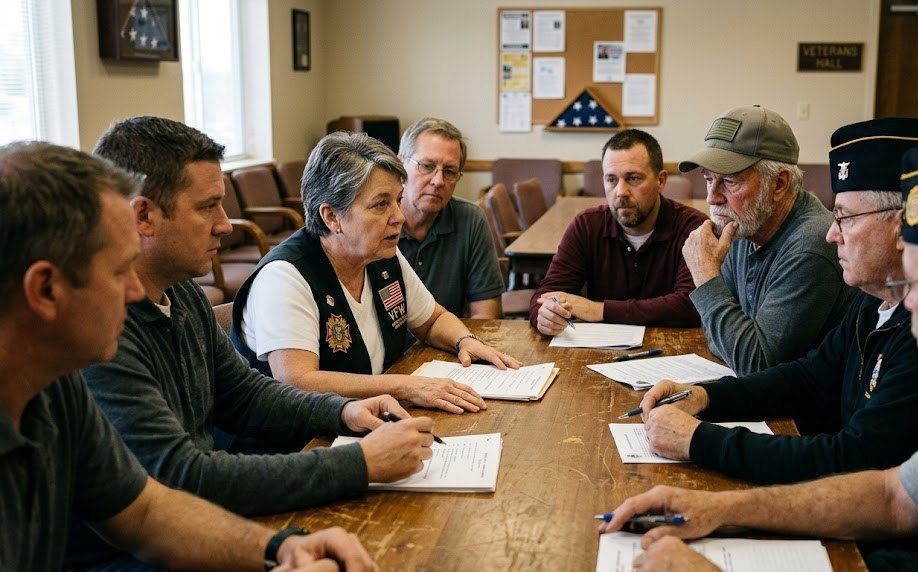
Why disability ratings caused a dispute
The main conflict concerns future ratings for tinnitus and sleep apnea. Current payments already in effect would generally remain protected. However, claims filed after enactment could be evaluated under new standards.
| Condition | Current approach | Proposed approach |
|---|---|---|
| Tinnitus | Usually a separate 10% rating | Generally rated with another hearing condition |
| Sleep apnea | CPAP use may qualify for 50% | Rating based on remaining symptoms after treatment |
Sleep apnea could receive ratings from 0% to 100%, depending on treatment results and organ damage. For some future applicants, this could mean lower monthly compensation than under current rules.
Why some veterans groups support it
The American Legion, Wounded Warrior Project and more than 20 partner organizations support the package. They argue that it provides a realistic route for passing reforms delayed for years.
Supporters also say the disputed standards originated in an earlier VA modernization process. In their view, projected savings would remain inside veterans programs instead of disappearing from them.
Why other organizations oppose it
Disabled American Veterans, the Veterans of Foreign Wars and other groups reject the funding mechanism. They argue that future disabled veterans should not finance new benefits through reduced compensation.
DAV cited a VA estimate suggesting the changes could affect up to 1.5 million veterans and reduce projected payments by $57 billion over 10 years. Those figures concern future claims and reassessments, not automatic reductions to every current payment.
What happens next
If the House approves H.R. 9237, the Senate must also pass the legislation. Senators could consider companion bill S. 4744 or amend the House version.
Different versions would require further negotiations. The dispute now centers on one question: whether Congress should expand veterans programs by changing compensation rules for future disability claims.
Earlier we wrote about Free Credit Score USA 2026: AnnualCreditReport, FICO, VantageScore and Errors