

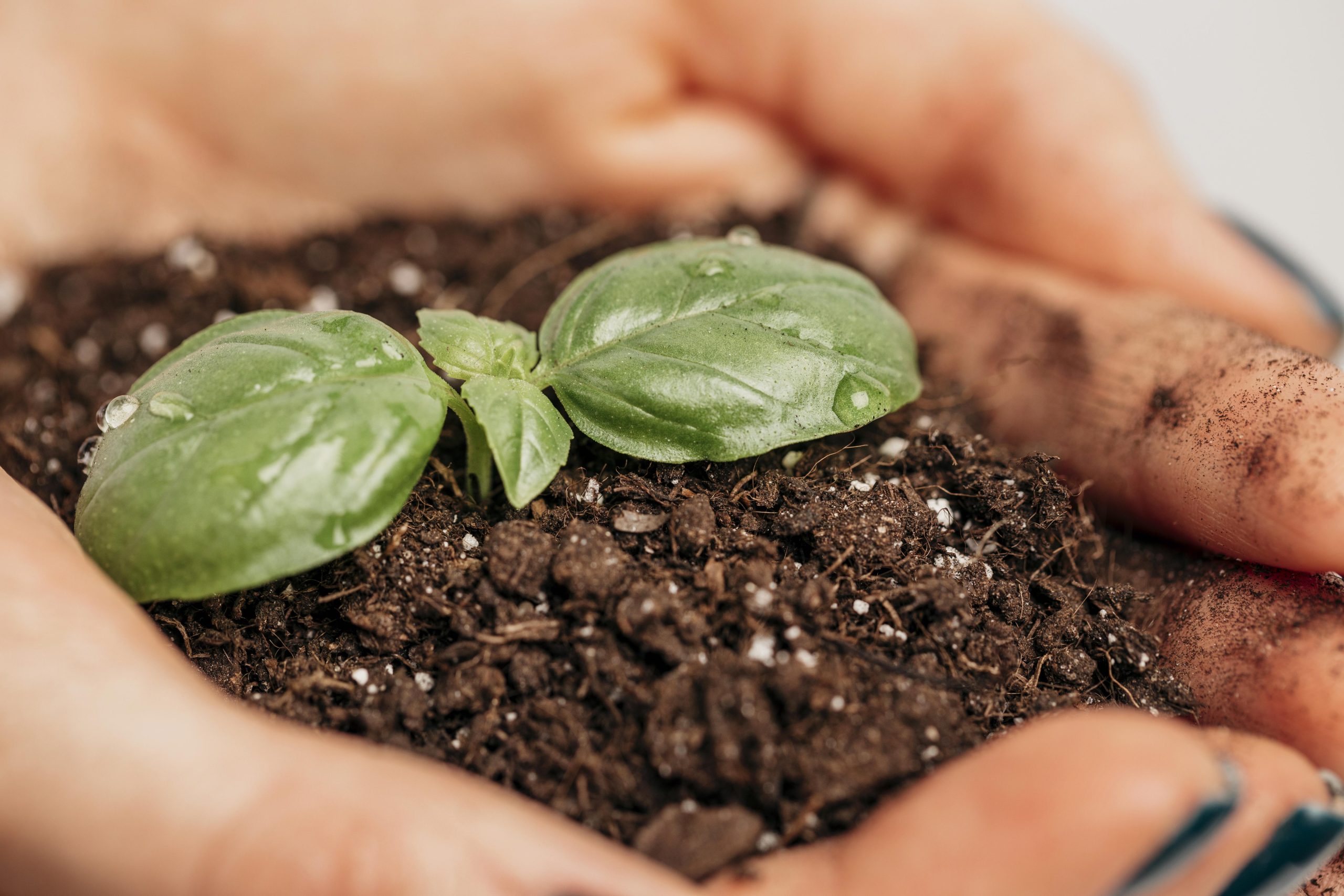
US planting calendar for May 2026 serves as an essential roadmap for millions of American gardeners facing a shifting climate. This year, the month of May presents a unique set of challenges and opportunities across various USDA hardiness zones. From the humid valleys of the South to the crisp mornings in New England, timing is everything for success. Experts predict a particularly volatile weather pattern this spring, making the lunar cycle even more significant for soil health. Gardeners should focus on soil temperature as much as they do on the date on the calendar. Whether you are planting heirloom tomatoes in Virginia or hardy greens in Montana, precision is your best ally. Modern agriculture techniques now blend perfectly with ancient lunar wisdom to maximize every square inch of garden space.
Successful cultivation begins with understanding the specific moisture levels and nutrient requirements of your local region. Careful planning today ensures a bounty that will last through the summer and into the fall, as noted by the Baltimore Chronicle.
Optimal dates for sowing vegetables and ornamental plants
Planning your garden requires a delicate balance between atmospheric conditions and the natural rhythms of the moon. In 2026, the waxing moon phase early in May provides the perfect energy for plants that produce fruit above the ground. This includes popular staples like corn, beans, and the ever-present backyard favorite, the tomato. Conversely, the period following the full moon is ideal for root crops that need to establish deep, strong foundations. Many farmers in the Midwest rely on these transitions to avoid the stress of late-season frosts that can still occur.
The following data represents the most auspicious timeframes for specific crop categories during the month.
| Crop Category | Best Planting Dates | Lunar Phase |
| Leafy Greens and Herbs | May 3 to May 11 | Waxing Crescent |
| Root Vegetables (Carrots, Potatoes) | May 17 to May 24 | Waning Gibbous |
| Fruiting Crops (Peppers, Squash) | May 6 to May 14 | First Quarter |
| Perennial Flowers and Shrubs | May 1 to May 5 | Full Light |
| Medicinal Plants | May 28 to May 31 | New Moon |
Once you have identified these dates, it is crucial to prepare your irrigation systems for the coming heat. May in the United States is often characterized by sudden spikes in temperature that can dry out young seedlings in hours. Mulching becomes a vital practice during the middle of the month to retain essential ground moisture. Do not forget to check the pH levels of your beds before transplanting your most delicate varieties. Most vegetables thrive in a range between 6.0 and 7.0 for optimal nutrient uptake. Consistent monitoring of local weather alerts will help you protect your investment from unpredictable spring storms.
Regional climate variations and USDA zone specific advice
The vast geography of the United States means that a single rule rarely applies to every gardener simultaneously. In Zone 8 and Zone 9, May is already the peak of the growing season where heat-tolerant varieties are mandatory. Meanwhile, gardeners in Zone 4 and Zone 5 are just beginning to see their soil reach the 60 degree mark. Strategic planting involves knowing exactly when your specific microclimate is ready for tender annuals. It is often better to wait an extra week than to lose an entire batch of seedlings to a stray frost.
Consider these essential regional tips to ensure your garden remains productive throughout the month:
- Install shade cloths in Southern states to protect young lettuce from bolting prematurely.
- Use row covers in the Pacific Northwest to manage excess moisture and prevent fungal growth.
- Test your soil in the Northeast to compensate for the acidic runoff from heavy spring rains.
- Focus on drought-resistant native plants in the Southwest to conserve water and support local bees.
- Rotate your crops in the Midwest to prevent the buildup of soil-borne pests and diseases.
- Prune your flowering shrubs immediately after their spring bloom to encourage next year’s growth.
Following these steps will significantly reduce the amount of maintenance required as the summer heat intensifies. Many urban gardeners in cities like New York or Chicago are finding success with vertical gardening to maximize limited sun exposure. It is documented that plants spaced correctly have a 30 percent higher yield than those in crowded beds. Observation remains the most powerful tool in any gardener’s repertoire during this transitional month. If you see early signs of aphids, treat them immediately with organic neem oil or insecticidal soap. Healthy soil leads to healthy plants, which in turn leads to a more resilient ecosystem in your backyard.
Expert insights and community feedback on the 2026 season
Agricultural scientists are paying close attention to the increased solar activity and its potential impact on plant growth cycles. Dr. Samuel Thorne, a leading horticulturist, suggests that May 2026 will see higher-than-average ultraviolet levels. This means that hardening off your indoor-started seedlings is more important than it has been in previous decades. Sunscald can destroy a month of hard work in just one sunny afternoon if plants are not acclimated. Community gardens across the country are also reporting a surge in interest for sustainable, no-till methods this year.
The secret to a Great American garden is not in the chemicals you use, but in the time you spend observing the dirt.
“I have been following the lunar calendar for 40 years in Kentucky, and May 18 is my go-to for potatoes,” says local farmer Jim Miller.
Expert Sarah Bennett adds: “In 2026, we are seeing a shift where traditional planting windows are moving earlier by about 5 days in the Mid-Atlantic.”
As the month draws to a close, gardeners should begin focusing on the maintenance of their growing crops rather than new sowings. Weeding becomes a daily task as the warm soil encourages unwanted growth alongside your prized vegetables. Applying a liquid seaweed fertilizer can provide a mid-season boost that helps plants resist the stress of the upcoming June heat. Always water your garden in the early morning hours to prevent evaporation and minimize the risk of leaf diseases. May is truly the month where the foundation for a successful harvest is permanently laid. Enjoy the process and stay connected to the natural rhythms of the earth for the best results.
Earlier we wrote about where to buy Tickets for Demi Lovato in Anaheim May 9, 2026: event date, ticket prices, and parking guide