

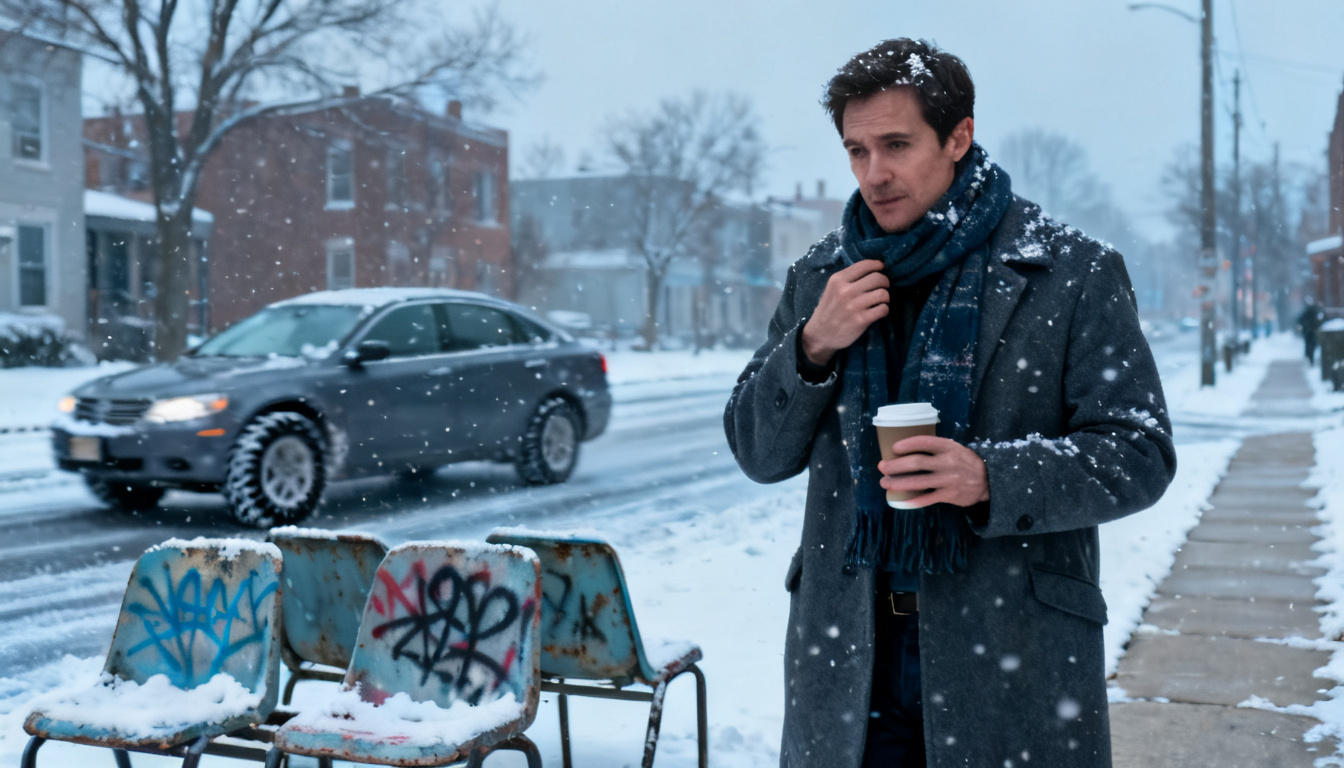
Winter in Baltimore can be a surprising experience for those moving from the Deep South or the West Coast, as the Mid-Atlantic climate often fluctuates between mild rain and sudden, heavy snowfalls. While the city doesn’t face the relentless arctic blasts of New England, the proximity to the Chesapeake Bay creates a damp, penetrating cold that requires a specific kind of readiness. New residents often underestimate the “slush factor” on cobblestone streets in Fells Point or the wind tunnels created by downtown skyscrapers. Understanding the local rhythm of salt trucks and seasonal event schedules is the first step toward enjoying the Charm City chill, as noted by the Baltimore Chronicle.
TL;DR: Quick Winter Guide
- Temperature: Highs around 40°F (4°C), lows dipping into the 20s.
- Snowfall: Average of 20 inches per year, but highly unpredictable.
- Best Gear: Waterproof boots, salt-resistant car mats, and a sturdy ice scraper.
- Key Regulation: Property owners must clear sidewalks within 24 hours of snowfall.
Decoding the Baltimore weather guide
The climate here is officially humid subtropical, but the local reality is much more chaotic during the colder months.
You might experience a 60-degree day in January followed by a “nor’easter” that dumps ten inches of heavy, wet snow overnight. This volatility is why locals keep both a light fleece and a heavy parka by the front door. Humidity plays a massive role in how the temperature feels on your skin. A 35-degree day in Baltimore often feels colder than a 20-degree day in a dry climate like Colorado because the moisture pulls heat away from your body. Investing in moisture-wicking base layers is a smart move for anyone planning to walk to the Inner Harbor or commute via the Light Rail.
| Month | Avg High (°F) | Avg Low (°F) | Avg Snowfall (Inches) |
| December | 46 | 30 | 3.0 |
| January | 41 | 25 | 6.5 |
| February | 44 | 27 | 8.0 |
| March | 53 | 34 | 2.0 |
When moving to baltimore winter preparations should start with your wardrobe and home insulation.
Many historic homes in neighborhoods like Canton or Mount Vernon have original windows that can be drafty. Using heavy curtains or plastic insulation kits can significantly reduce your BGE utility bills during the peak of the season. It is also wise to check your furnace filters before the first frost hits in November. Many residents forget that older radiators may need “bleeding” to function at full capacity.
If you are renting, ensure your landlord has serviced the heating system by October.
Practical baltimore seasonal tips for daily life
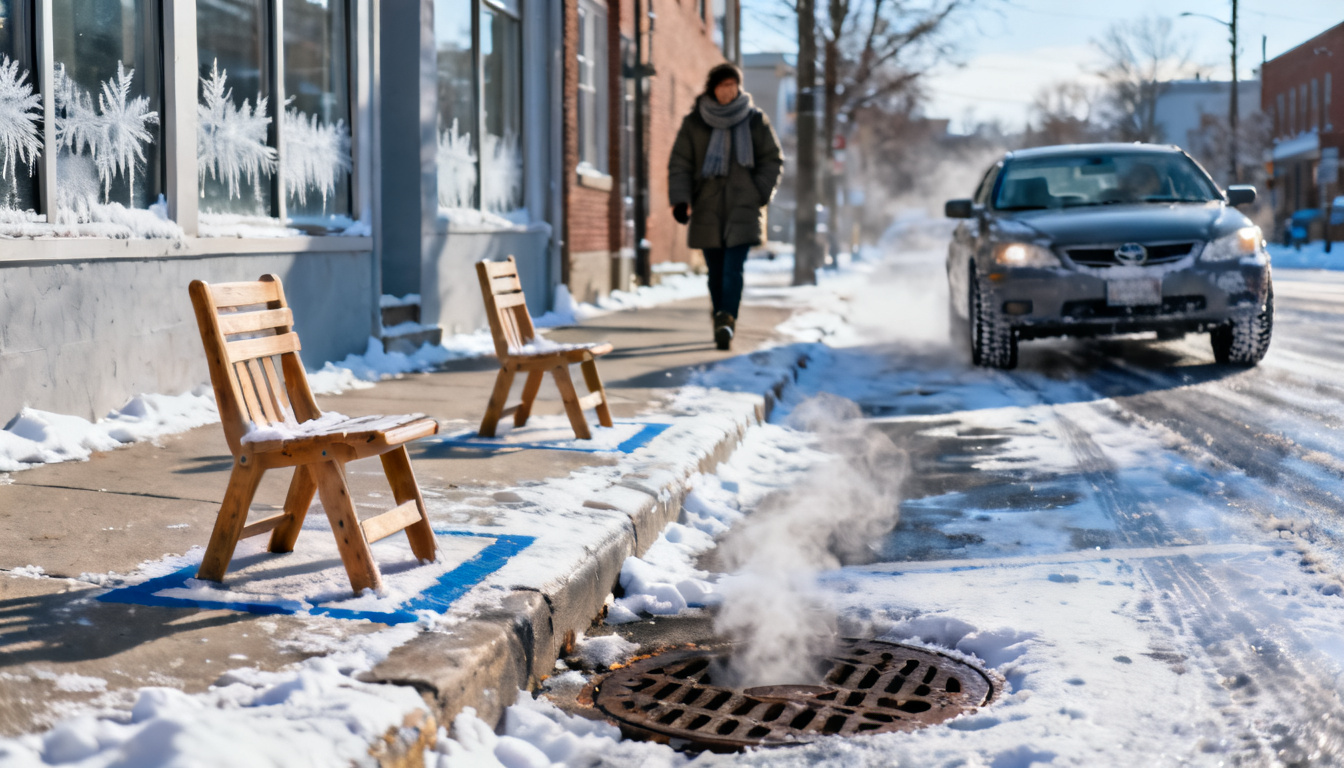
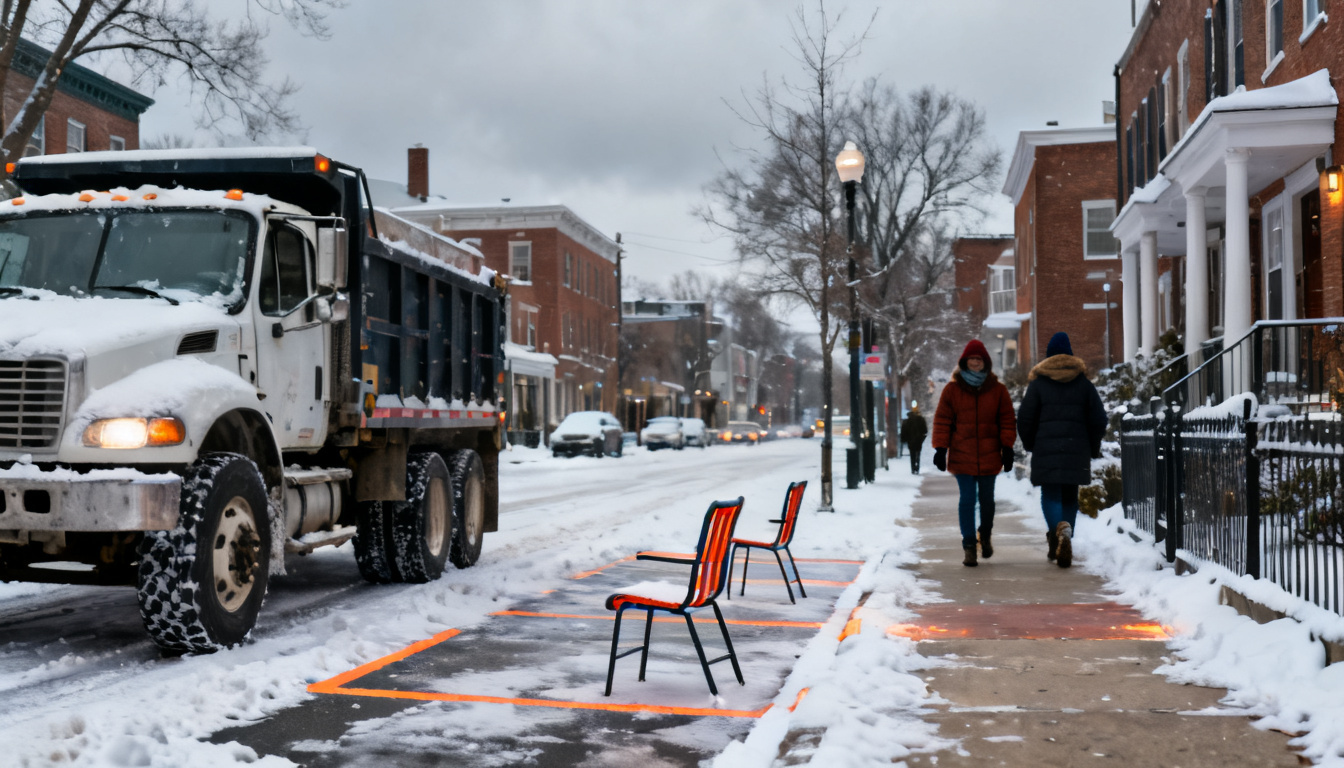
One of the most distinct local traditions is the use of “parking chairs.”
When a heavy storm hits, residents who shovel out a street spot often place a lawn chair in the space to claim it. While not technically legal under city code, it is a deeply ingrained social norm in many tight-knit neighborhoods. Ignoring a parking chair can lead to heated disputes with neighbors.
- Stock up early: Grocery stores like Wegmans or Harris Teeter become chaotic the moment a “snow emergency” is mentioned.
- Protect your pipes: In older rowhomes, keep cabinets under sinks open to allow warm air to reach the plumbing.
- Salt responsibly: Use pet-safe ice melt to protect the paws of local dogs and prevent runoff into the Bay.
- Check the status: Always monitor the Baltimore City Department of Transportation social media for snow salt route updates.
Knowing how cold does baltimore get helps in planning your outdoor activities. While the thermometer rarely stays below zero for long, the wind chill coming off the Patapsco River can be brutal.
During these cold snaps, the city often opens warming centers for those in need. If you are a homeowner, remember that the salt used on the roads can be corrosive to your vehicle’s undercarriage. Frequent car washes after the roads clear are a necessity to prevent rust.
Safety and winter driving baltimore
Driving in the city after a storm requires patience and a specific set of skills.
Baltimore’s geography includes many steep hills, particularly in North Baltimore and parts of Hampden, which become treacherous when iced over. Black ice is a common hazard on bridges and shaded patches of the Jones Falls Expressway (I-83).
“The most important tool for a Baltimore winter isn’t a shovel, it’s a good relationship with your neighbors; you’ll need each other when the plows block your driveway.” — Local Resident Quote.
If you are new to the area, practicing in an empty, snow-covered parking lot can help you understand how your vehicle handles skids.
Many locals prefer to use public transit like the Charm City Circulator during heavy snow to avoid the stress of urban navigation. However, be aware that bus routes may be diverted or delayed based on road conditions. Keeping a “winter kit” in your trunk including a blanket, small shovel, and sand for traction is highly recommended.
- Clear all snow from the roof of your car to prevent it from sliding onto your windshield.
- Turn on your headlights even during the day to increase visibility in gray, overcast weather.
- Increase your following distance to at least three times the normal length.
- Avoid using cruise control on slushy or icy surfaces.
Who this guide is best for
This guide is specifically designed for professionals and families relocating to Maryland for jobs at Johns Hopkins, Under Armour, or the Port of Baltimore.
It focuses on the urban environment where rowhomes and street parking create unique challenges compared to suburban living. If you are moving from a climate that never sees ice, the transition requires a shift in mindset regarding home maintenance and travel safety. Long-time residents might find these tips a useful refresher, but the primary audience is the newcomer navigating their first frost.
Common mistakes to avoid
- Waiting to buy a shovel: Hardware stores often sell out hours before the first snowflake falls.
- Neglecting the sidewalk: You can be fined by the city if you don’t clear the path in front of your home.
- Overestimating the plow: City plows focus on primary “salt routes” first, meaning side streets can stay snowed-in for days.
- Using hot water on windshields: This can cause the glass to crack instantly due to thermal shock.
FAQ: Navigating the Maryland Cold
When does it usually start snowing in Baltimore?
The first measurable snowfall typically occurs in mid-to-late December, though “snow squalls” can happen as early as November.
Is Baltimore hilly or flat for driving?
It is a mix; downtown is relatively flat, but northern neighborhoods like Roland Park have significant inclines that are difficult in winter.
What is a Snow Emergency Plan?
It is a set of regulations triggered by the city that restricts parking on certain main roads to allow for plowing.
Do I need a 4WD vehicle for Baltimore winters?
It is helpful but not mandatory; a front-wheel-drive car with good all-season or winter tires is usually sufficient for city streets.
How do I find out if schools are closed?
Check the Baltimore City Public Schools (BCPS) website or local news stations like WBAL-TV starting at 5:00 AM.
Are the museums open during winter?
Yes, indoor attractions like the National Aquarium and BMA are great winter escapes, though hours may change during blizzards.
What should I do about my outdoor hose?
Disconnect and drain all hoses before the first freeze to prevent the outdoor faucet from bursting inside your wall.
Where can I find a “parking chair”?
Usually in your own garage or basement; please do not take a chair that someone else has placed in the street.
Is the Inner Harbor frozen in winter?
Occasionally the edges freeze, but it rarely freezes solid enough for any activity; the city usually sets up an ice rink at McKeldin Square.
How do I pay my heating bill if it gets too high?
BGE offers budget billing and there are state-funded energy assistance programs like MEAP for eligible residents.
Earlier we wrote about Summer Festivals in Baltimore: What to Watch and How to Plan Ahead