

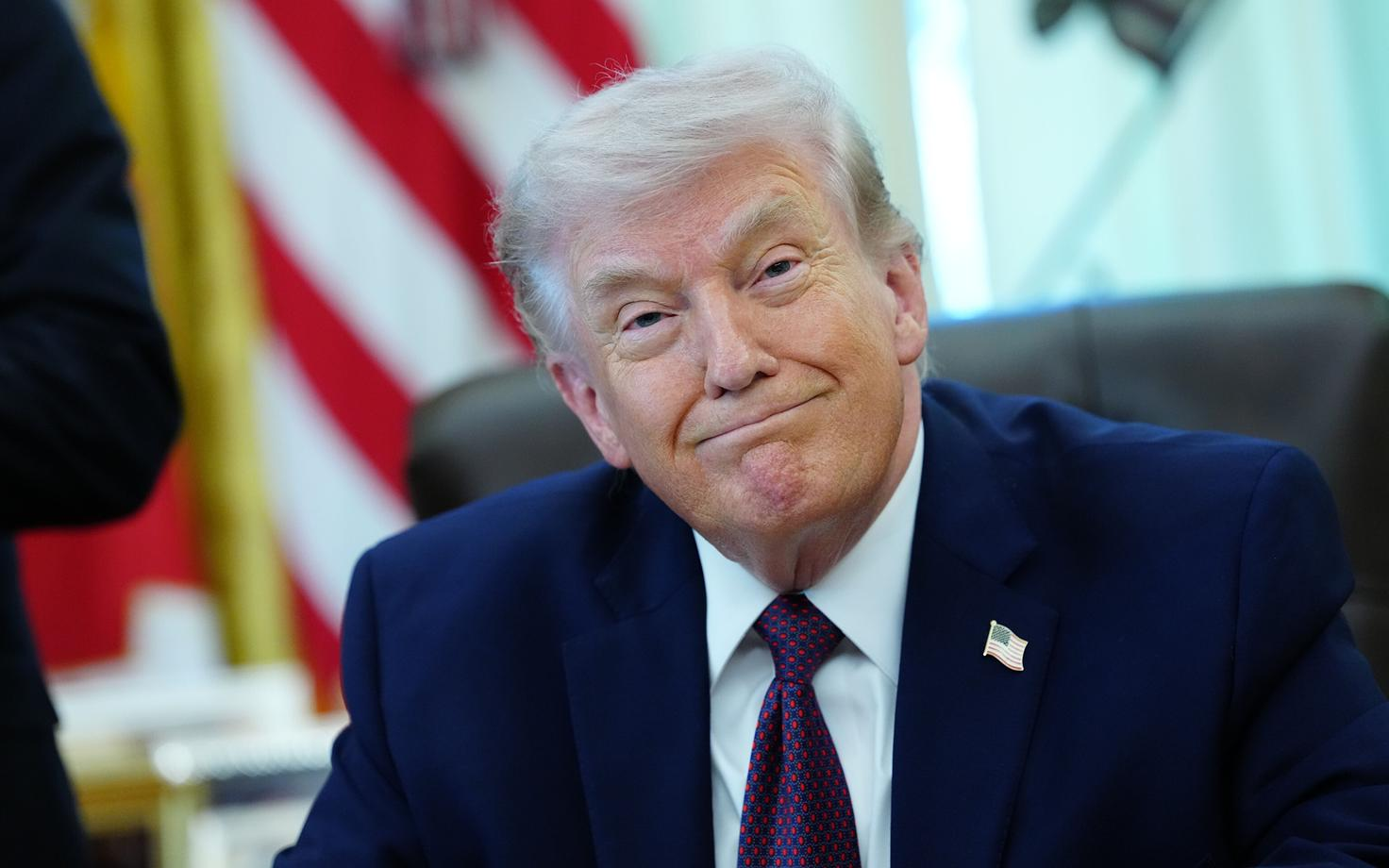
Trump considers pulling U.S. out of NATO after European allies refused to assist in military operations against Iran. The president recently described the 77-year-old alliance as a paper tiger during an interview with The Telegraph. Tensions reached a breaking point following Europe’s reluctance to help reopen the strategically vital Strait of Hormuz. Trump expressed deep anger over the refusal to grant U.S. forces access to European military bases. He believes that the United States has provided automatic support to allies during the conflict in Ukraine. In his view, this loyalty has not been reciprocated by major European powers during the current crisis. Senior officials like Marco Rubio have echoed these sentiments, suggesting a total re-examination of the relationship. This potential shift in American foreign policy could fundamentally alter the global security landscape in 2026. Many analysts believe the President is now looking beyond reconsideration of the historic defensive bloc, as noted by the Baltimore Chronicle via CNBC.
Escalation over the Strait of Hormuz and military basing rights
The primary catalyst for this diplomatic rift is the ongoing maritime conflict in the Middle East. Iran currently controls the Strait of Hormuz, which serves as a vital passage for global oil and gas. Trump demanded that NATO allies send warships to ensure the passage remains open for international trade. European leaders, however, view the conflict with Iran as a war of choice initiated by Washington. They argue that they were not consulted before the military operations began in late February 2026. There is a strong reluctance in London and Paris to enter another long-term war. The refusal to allow U.S. planes to fly over French territory has particularly incensed the American president.
Key points of contention between the U.S. and European NATO members:
- Refusal to deploy warships to the Strait of Hormuz for maritime security operations.
- Denying U.S. military aircraft permission to use European airspace for missions in Israel.
- Disagreement over the strategic necessity of the war against the Islamic Republic.
- Claims that the U.S. carries the financial and military burden of collective defense.
- Concerns in Europe about being dragged into a forever war in the Middle East.
- Trump’s insistence that support for Ukraine should have guaranteed European military reciprocity.
- Disputes over energy prices and the transition to green energy in the United Kingdom.
These disagreements highlight a fundamental shift in how the alliance views its core mission and responsibilities. While the U.S. pushes for offensive cooperation, Europe maintains a strictly defensive posture regarding its borders. This ideological gap has led to public rebukes of leaders like Keir Starmer and Emmanuel Macron. Trump has even criticized the state of the British Royal Navy and its aircraft carriers. He suggested that the U.K. should simply take the Strait of Hormuz by force if necessary. Such comments have left diplomats scrambling to maintain a semblance of unity within the bloc.
The rhetoric of betrayal and the paper tiger label
President Trump has used the term paper tiger to suggest that NATO lacks real strength or resolve. He claims that adversaries like Putin are aware of this perceived weakness in the European defensive structure. In his Truth Social posts, he warned that the U.S. might not be there to help anymore. This rhetoric targets countries like France for being unhelpful regarding the elimination of Iranian leadership. The President believes that the automatic nature of the alliance has become a one-way street for America. He specifically cited the U.S. involvement in Ukraine as a test that the Europeans ultimately failed.
| Country or entity | Trump’s specific criticism | Response or position |
| United Kingdom | Inadequate navy and focus on costly windmills | Starmer refuses to join the war against Iran. |
| France | Denying overflight rights for military supply planes | Maintains that the Iran conflict is a war of choice. |
| NATO Bloc | Acting as a paper tiger without true reciprocity | Emphasizes collective defense over offensive operations. |
| Marco Rubio | Re-evaluating ties if basing rights are denied | Suggests U.S. engagement is no longer a certainty. |
The administration’s frustration is not limited to the Oval Office but extends to the State Department. Secretary of State Marco Rubio indicated that staying engaged in NATO is a hard sell for Americans. If allies deny basing rights during a crisis, the U.S. sees little value in the arrangement. This sentiment reflects a growing isolationist trend within the current American political leadership. European officials, meanwhile, insist they must act according to their own national interests and safety. The clash between American expectations and European sovereignty has never been more visible than in April 2026.
Global implications of a potential U.S. withdrawal from NATO
A withdrawal of the United States from NATO would be the most significant geopolitical event in decades. Without American military funding and nuclear deterrence, Europe would have to rapidly increase its own defense spending. Prime Minister Keir Starmer has already signaled that a stronger relationship with Europe is becoming vital. He told reporters that he would not change his position on the war despite the pressure. The U.K. and other nations are now forced to consider a future where the U.S. is not the guarantor. This shift could lead to a more independent European defense identity separate from Washington.
The current situation suggests that the 77-year-old alliance is facing an existential crisis. If the war in Iran continues to escalate, the pressure on NATO members will only increase. Trump has suggested that countries struggling with jet fuel shortages should buy directly from the U.S. instead. He continues to mock the energy policies of his European counterparts while demanding military action. The coming months will determine if these threats are merely negotiation tactics or a true exit. Markets and world leaders are watching the developments in Davos and Washington with extreme caution. The era of automatic American military support appears to be reaching its final chapter.
Earlier we wrote that billionaire Kirsh to sell Jetro Restaurant Depot to Sysco Corp for 29 billion dollars