

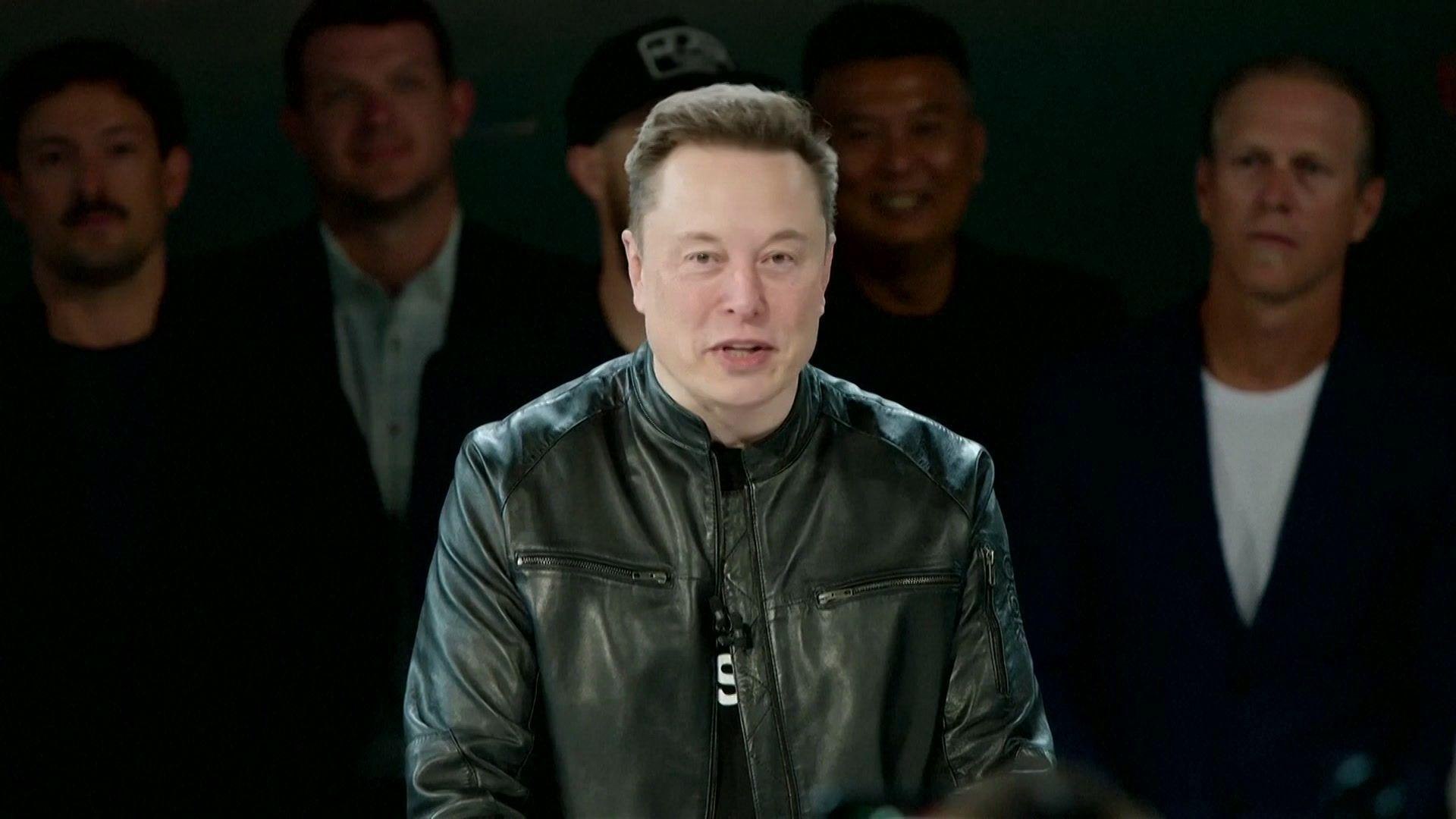
SpaceX IPO has turned Elon Musk into the world’s first trillionaire after the aerospace giant completed the largest public offering in history. The company’s market debut pushed its valuation close to $2 trillion and added hundreds of billions to Musk’s paper wealth, as noted by Baltimore Chronicle.
The historic listing marks a new chapter for both SpaceX and global financial markets. Musk now holds major ownership stakes in two of the world’s most valuable companies: Tesla and SpaceX. Analysts say the IPO highlights investor confidence in commercial space technology, satellite internet services, and artificial intelligence.
How SpaceX reached a nearly $2 trillion valuation
SpaceX generated $18.7 billion in revenue during 2025, representing growth of 33% compared to the previous year. Starlink accounted for nearly one-quarter of total revenue and continued expanding its subscriber base worldwide.
Key factors behind the valuation include:
- Strong growth in Starlink subscriptions
- Leadership in commercial rocket launches
- Expansion into artificial intelligence through xAI
- Long-term ambitions in space infrastructure
Investors view these businesses as potential drivers of future earnings despite the company’s reported loss of $4.9 billion last year.
| Metric | SpaceX |
|---|---|
| Valuation after IPO | Nearly $2 trillion |
| Revenue in 2025 | $18.7 billion |
| Annual revenue growth | 33% |
| Net loss in 2025 | $4.9 billion |
| Musk ownership stake | About 40% |
While revenue growth remains impressive, profitability remains a challenge. Public market scrutiny may increase pressure on the company to demonstrate sustainable financial performance.
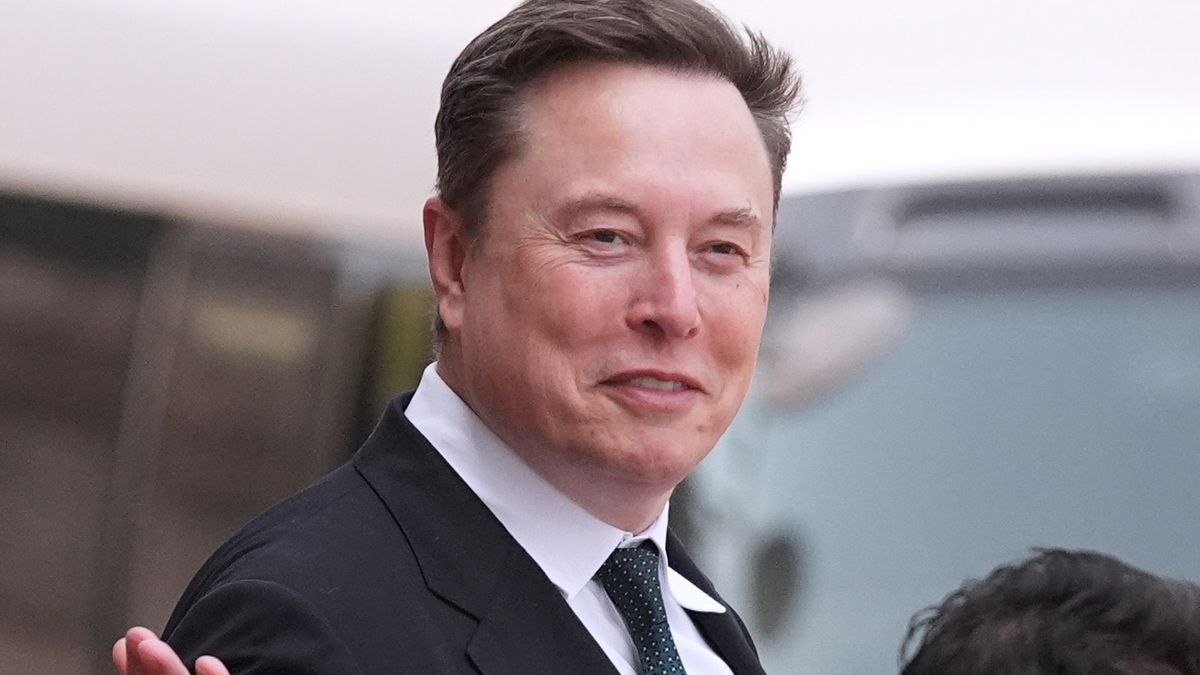
Why analysts remain divided on SpaceX stock
Some market experts believe SpaceX could dominate future aerospace and AI industries. Others question whether investors are assigning too much value to projects that may take years to generate returns.
Supporters point to Tesla’s long history of outperforming expectations. Critics argue that public investors may eventually focus more heavily on financial fundamentals.
Musk’s wealth remains largely tied to company shares. He is also restricted from selling SpaceX stock for one year after the IPO. Any future sale could reduce both his ownership stake and influence over corporate decisions.
The unprecedented IPO has already rewritten financial history. The next challenge will be proving that SpaceX can justify its record valuation under the constant attention of public markets.
Earlier we wrote that Maryland passes law to protect vulnerable adults from financial scams