

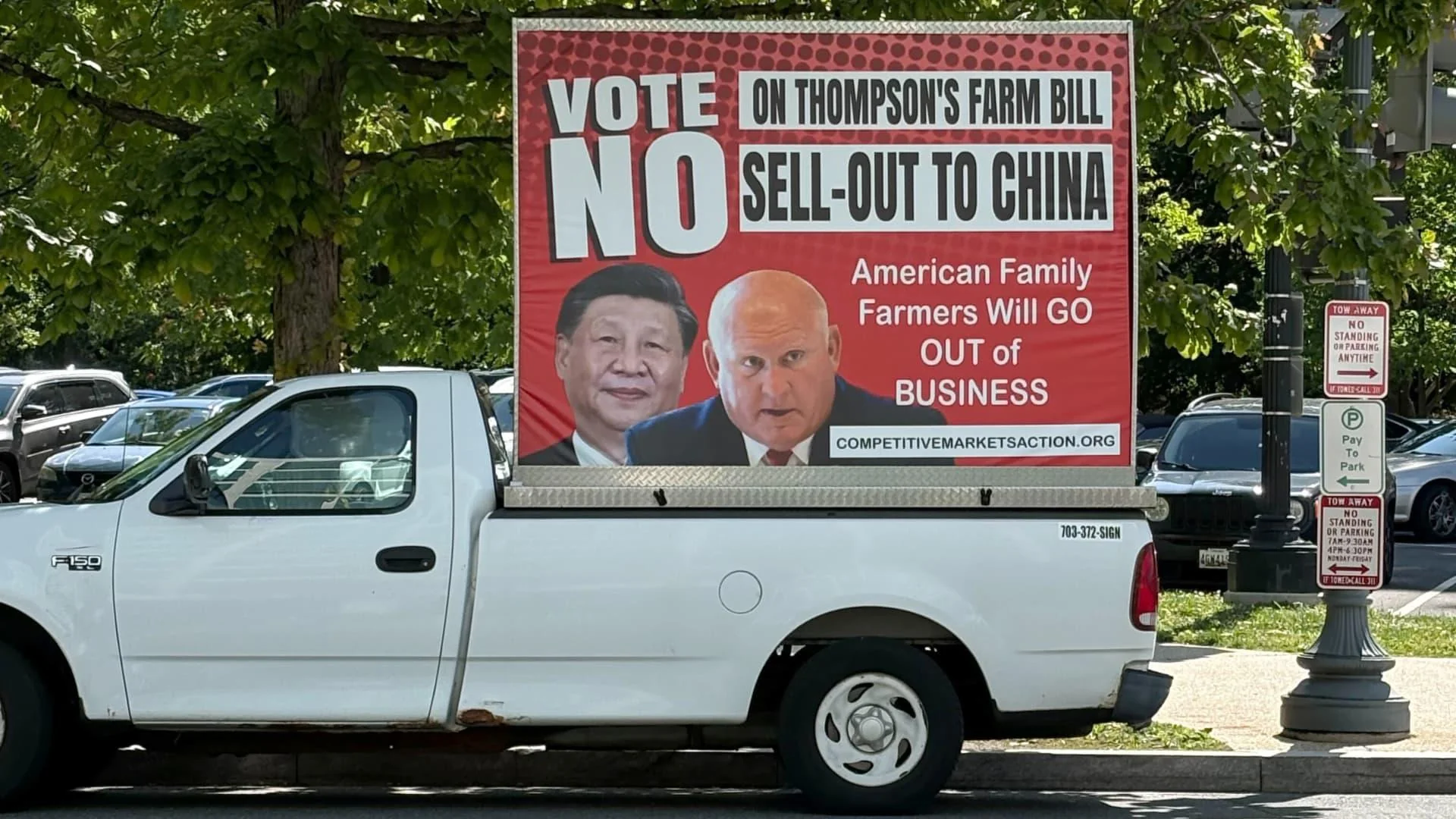
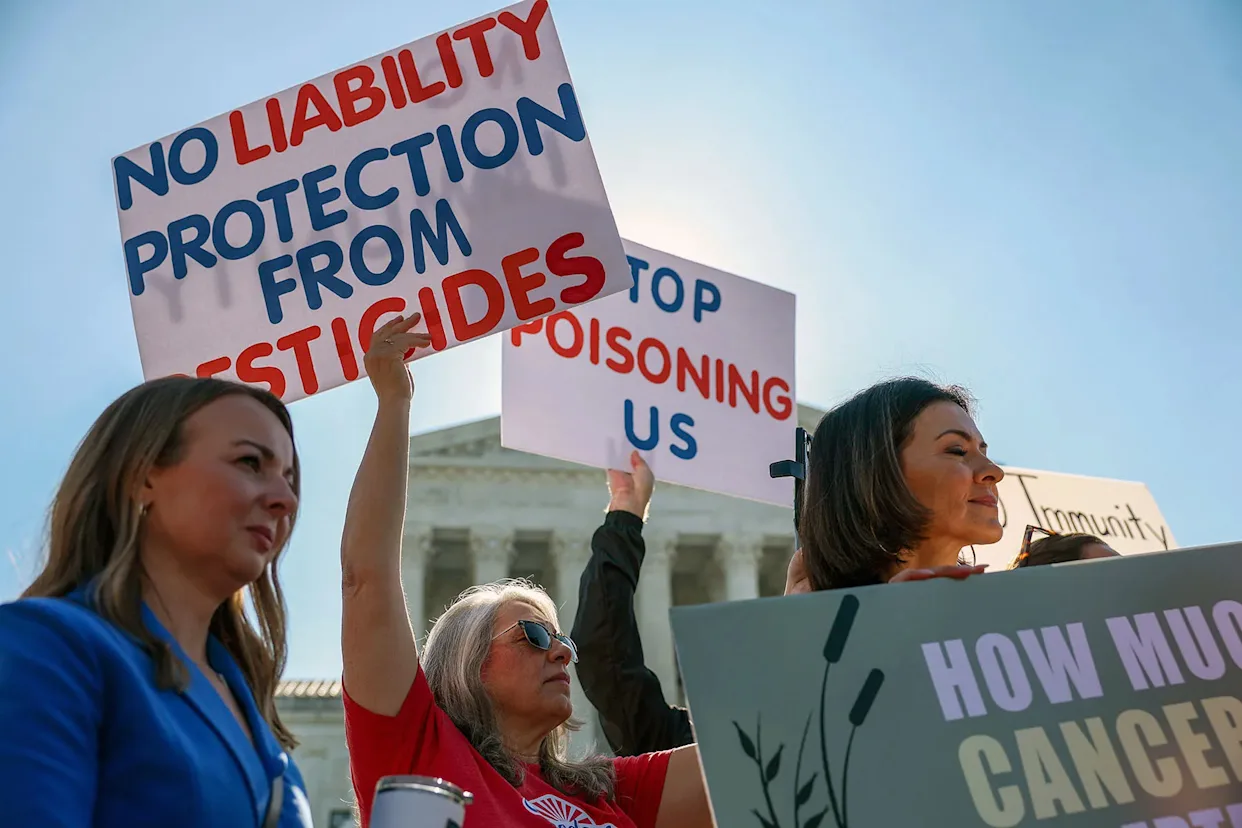
House strips MAHA-hated pesticide provisions from farm bill after a fierce political battle in Washington. The Republican-led chamber voted 280-142 to remove language that critics called a liability shield. This provision was designed to protect corporations like Bayer from lawsuits involving the herbicide Roundup. The movement was fueled by the Make America Healthy Again coalition. Supporters of the amendment argued that states must retain the right to label glyphosate as a carcinogen. Rep. Anna Paulina Luna led the successful push to strip the controversial text.
The broader legislation eventually passed with a 224-200 vote. Public health advocates celebrated this as a victory over big chemical interests as noted by Baltimore Chronicle via CNBC.
The rebellion against the pesticide liability shield
The conflict centered on whether federal law should preempt stricter state regulations on chemicals. Specifically, the bill tried to prevent states from requiring cancer warnings on pesticide packaging. This would have directly benefited Bayer, which faces thousands of legal claims. Many citizens argue that glyphosate exposure leads to serious long-term health complications.
The MAHA movement, originally linked to Robert F. Kennedy Jr., showed its political muscle here. They pressured lawmakers to reject any “handouts to big agriculture” at the expense of safety. This bipartisan uprising forced a significant shift in the GOP strategy for the farm bill.
Key figures and their positions during the debate included:
- Anna Paulina Luna: led the amendment to protect state labeling rights.
- Chellie Pingree: criticized the bill as a win for chemical company profits.
- G.T. Thompson: defended the original language to prevent frivolous lawsuits.
- Bayer AG: expressed disappointment, citing a missed opportunity for regulatory clarity.
- MAHA Advocates: demanded transparency regarding the risks of toxic chemicals.
This internal party friction reveals a deep divide within the current administration’s base. While some leaders prioritize industrial efficiency, the MAHA faction focuses on environmental health. The vote highlights a growing skepticism toward traditional corporate protections in American law.
Economic and health implications of the glyphosate ruling
The debate over glyphosate is not merely academic but involves billions of dollars in potential settlements. The World Health Organization previously labeled the chemical as probably carcinogenic to humans. However, the EPA maintains that it does not pose a risk when used as directed. This contradiction creates a massive legal gray area for farmers and manufacturers.
If the shield had stayed, Bayer would have gained significant immunity from state-level litigation. Now, the company must continue defending its products in various local jurisdictions. This decision maintains the current patchwork of regulations across different U.S. states.
The following data outlines the vote results and chemical classifications:
| Category | Detail | Value |
| Amendment Vote | House members in favor of stripping provisions | 280 |
| Opposition Vote | House members against the amendment | 142 |
| Final Bill Vote | Passage of the revised farm bill | 224-200 |
| WHO Classification | Category for glyphosate | Probably carcinogenic |
| Most Used Herbicide | Product name in the United States | Glyphosate |
Farmers now face continued uncertainty regarding which labels they must follow in specific regions. Some agricultural groups worry this will increase costs for food production. Others argue that safety should never be sacrificed for lower commodity prices. The legislative journey is far from over as the bill moves forward.
The road to the Senate and future political rifts
Now that the House has cleared the modified bill, the battle shifts to the Senate. Senators will likely face similar pressure from both chemical lobbyists and health activists. The rift between President Trump and his MAHA supporters remains a critical storyline for 2026. This tension could influence how the executive branch handles future environmental regulations.
Bayer issued a statement claiming the House turned its back on American farmers. They argue that misinformation is driving policy rather than sound science. Meanwhile, the White House recently supported Bayer in a separate Supreme Court case. This creates a confusing landscape for voters and industry leaders alike.
The outcome in the Senate will determine the final shape of U.S. agricultural policy. If the pesticide protections remain absent, it marks a permanent shift in legislative priorities. Activists are already preparing to lobby Senate leaders to maintain the House’s changes. The next few weeks will be decisive for the future of food safety laws.
Earlier we wrote that Trump cancels envoys’ Islamabad trip amid escalating Iran tensions and Lebanon strikes