

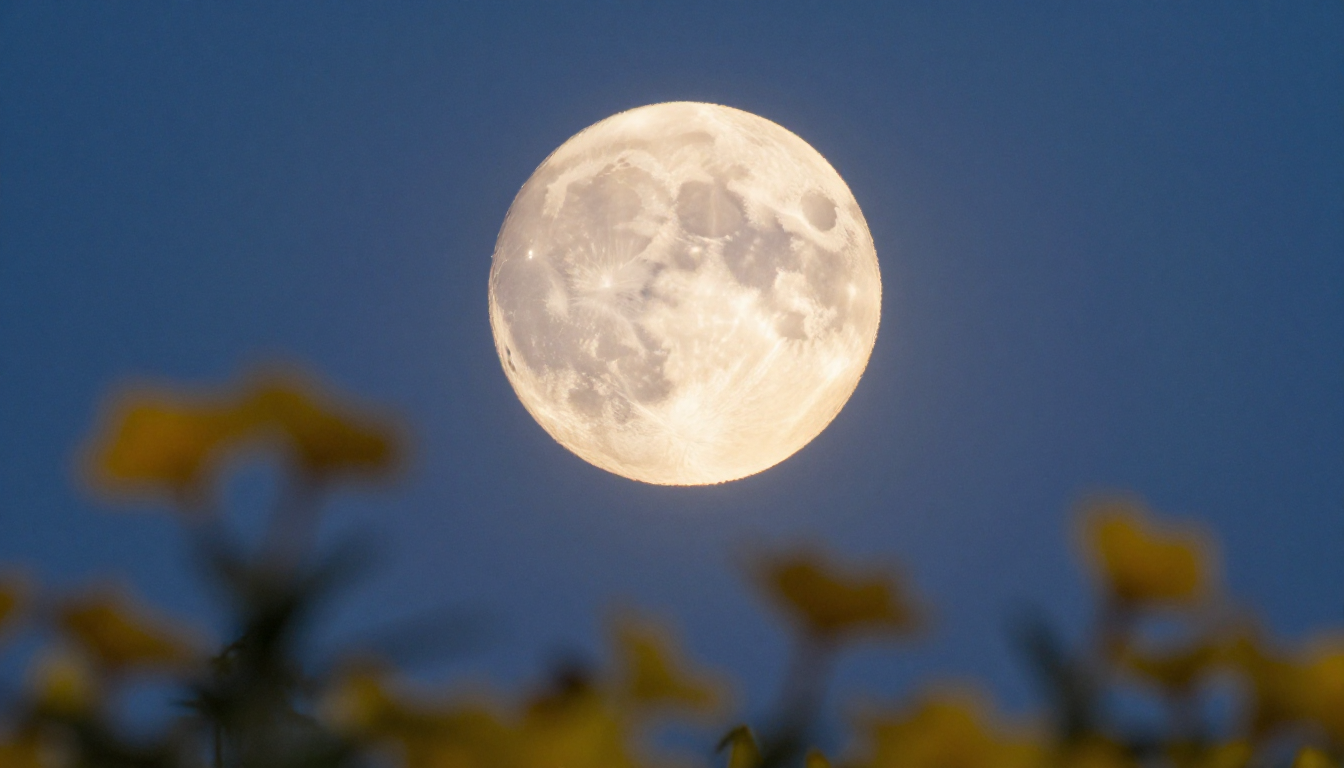
A Flower Moon Is Coming on May 1 to illuminate the night sky with a spectacular glow across the globe. This astronomical event marks the start of the last month of spring with a symbolic display of natural beauty. Stargazers are preparing their equipment to capture the exact moment of peak brightness in various time zones today. The moon will appear larger as it rises near the horizon due to the famous lunar illusion effect. This specific full moon carries deep historical significance for many indigenous cultures across North America and Europe. It serves as a biological clock for farmers and nature enthusiasts tracking the progress of the growing season.
Atmospheric conditions are expected to be favorable for viewing in many urban and rural areas this evening. You should find a spot far from city lights to experience the full brilliance of the lunar surface. Detailed astronomical data for this month is provided by Baltimore Chronicle.
The Origin and Symbolic Meaning of the May Flower Moon
The name Flower Moon reflects a period of intense growth and the arrival of numerous spring blossoms in May. This traditional moniker was popularized by the Algonquin people to track the seasonal changes in their local environment. They observed that this time of year was defined by the definitive end of the frost and new life. In many cultures, this lunar phase represents a transition from the quiet of winter to the energy of summer. It is a time often associated with fertility, celebration, and the visual abundance of the natural world.
While the moon does not actually change color or sprout petals, the name evokes the imagery of the season. Modern astronomers continue to use these traditional names to keep the public engaged with our solar system. The Flower Moon follows April’s Pink Moon, continuing the floral theme of the spring season in the northern hemisphere. Each name provides a window into how ancient civilizations perceived the passage of time through the stars.
When and Where to See the Flower Moon at Peak Illumination
To see the Flower Moon at its most impressive, you must understand the timing of the lunar cycle. Peak illumination for this event is scheduled for 1:23 p.m. EDT on May 1, 2026. Because this occurs during daylight for many, the best viewing window is shortly after the sun sets. Watching the moon rise over the horizon provides a stunning visual contrast against the darkening evening sky. Early risers on Saturday morning may also catch a glimpse of the moon setting in the west.
Check your local weather forecast to ensure clear skies before heading out to your chosen viewing location. High altitude spots or open fields offer the most unobstructed views of the lunar disc throughout the night.
Viewing times for the Flower Moon by major time zone:
- Eastern Time (EDT): 1:23 p.m.
- Central Daylight Time (CDT): 12:23 p.m.
- Mountain Daylight Time (MDT): 11:23 a.m.
- Pacific Daylight Time (PDT): 10:23 a.m.
- Alaska Daylight Time (AKDT): 9:23 a.m.
- Hawaii-Aleutian Standard Time (HDT): 8:23 a.m.
These times represent the moment the moon is exactly 180 degrees opposite the sun in its orbital path. If you miss the peak, the moon will still appear nearly full for at least 2 days. Most casual observers cannot distinguish a 98% full moon from a 100% full moon with the naked eye. This gives you multiple opportunities to enjoy the sight even if Friday night is cloudy in your area.
A Rare Blue Micromoon to Close Out May 2026
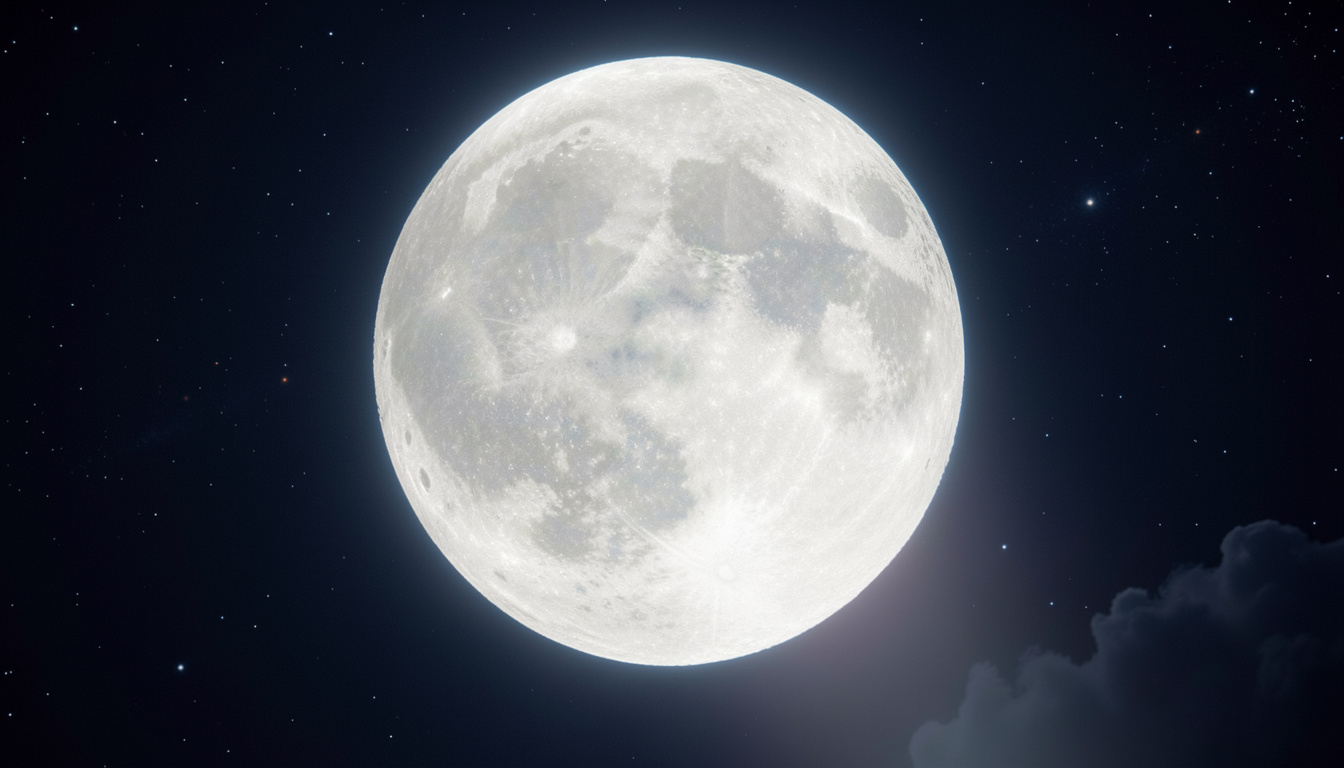
The Flower Moon is just the beginning of a double lunar feature for the month of May. On May 31, 2026, a second full moon will occur, which is commonly referred to as a Blue Moon. However, this particular event is even more unique because it qualifies as a rare Micromoon. A micromoon happens when the lunar body is at its farthest point from Earth, known as the apogee. This causes the moon to appear approximately 14% smaller and 30% dimmer than a standard supermoon event.
Comparing the two full moons of May 2026:
| Feature | Flower Moon (May 1) | Blue Micromoon (May 31) |
| Illumination | 100% Brightness | 100% Brightness |
| Distance | Average distance | Maximum distance (Apogee) |
| Apparent Size | Standard size | Slightly smaller appearance |
| Rarity | Annual occurrence | Rare double event |
| Cultural Name | Seasonal marker | Calendar coincidence |
This combination of a seasonal Flower Moon and a rare Blue Micromoon is an exceptional astronomical rarity. Photographers often use this month to compare the size difference of the moon in their professional portfolios. The next time such a pairing occurs will not be for several years in the future. Make sure to mark your calendar for the end of the month to see the difference yourself. Science continues to fascinate us with these predictable yet breathtaking movements of the celestial bodies above us.
Earlier we wrote that Melania Trump implies Kimmel should lose his job over expectant widow joke in new clash