

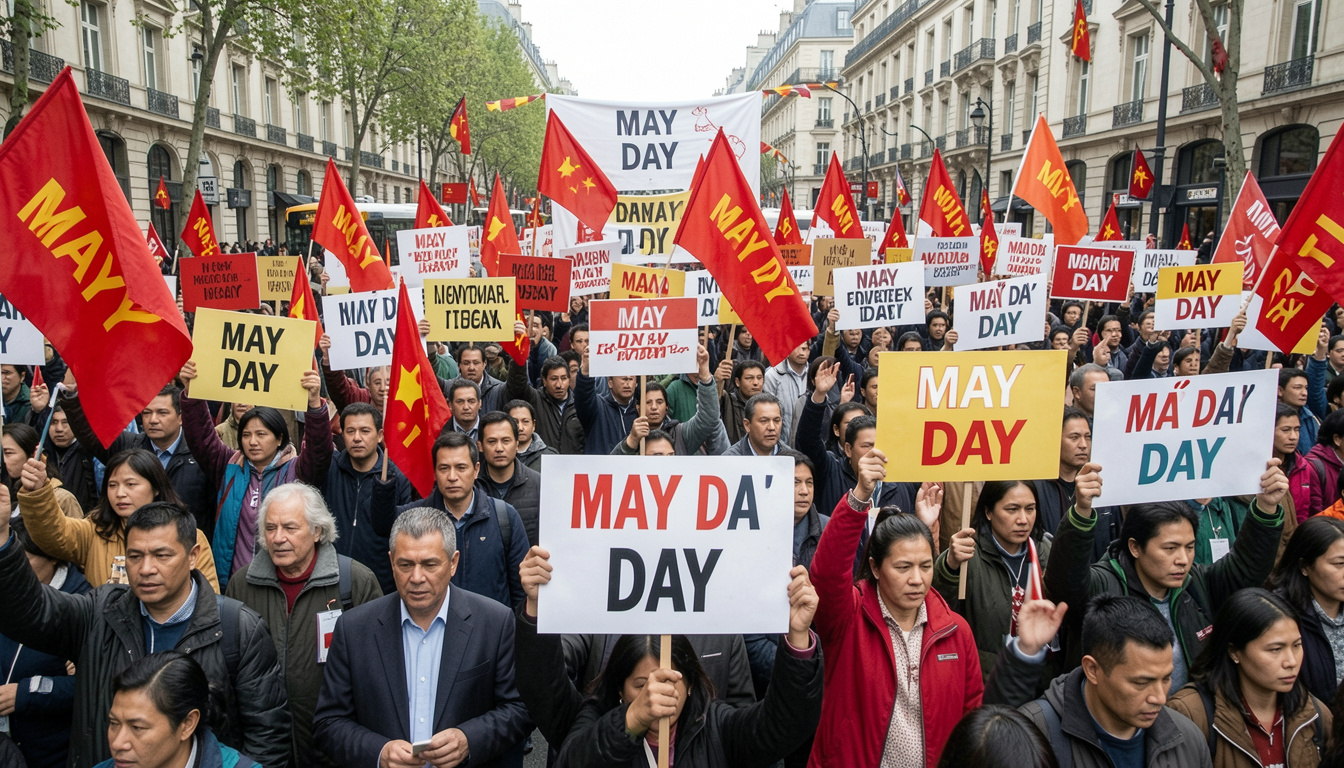
May Day protests to highlight struggles of workers across the US represent a massive escalation of social tension today. Hundreds of thousands of activists are currently staging the “May Day Strong” events in every major American city. Workers, students, and teachers have officially walked out of their jobs and schools to demand urgent economic justice. This movement, also known as “Workers Over Billionaires,” encompasses more than 3000 events nationwide on this first of May. The scale of the strikes suggests a deep dissatisfaction with the current national economic policy and rising costs. Many families report struggling with homelessness and hunger despite holding multiple gig jobs in the service sector.
Unions and progressive groups have expanded their traditional actions to include strategic economic boycotts and mass walkouts. These mobilizations serve as a direct message to the administration regarding broken promises about affordable living standards. Detailed reports on these social movements are provided by the Baltimore Chronicle via USA Today.
The rising tide of economic justice and labor rights in 2026
The current wave of activism focuses heavily on worker rights and the widening gap of income inequality. Organizers argue that turning out this year is more critical than ever due to the soaring prices of rent. While the cost of food and gas increases, average wages remain stagnant for millions of everyday people. Terrence Wise, a leader with the Missouri Workers Center, emphasizes that being part of the solution requires organizing. Many participants in Kansas City and beyond are choosing to skip work and school to make their voices heard.
Key demands and focus areas of the current national mobilization:
- Immediate increase in the federal minimum wage to ensure a living income for all service workers.
- Protection of labor rights and the ability to unionize without fear of retaliation from large corporations.
- Comprehensive policy changes to address the housing crisis and skyrocketing rental prices in urban centers.
- Strengthening of immigrant rights and protection against criminalization of undocumented workers in the labor force.
- Greater corporate accountability for billionaires who profit while employees struggle with basic food security and healthcare.
These points reflect the accumulated dissatisfaction of a workforce that feels ignored by the current political establishment. The strategy of non-cooperation is being tested on a scale not seen in several decades of American history. Many participants believe that traditional protests on weekends are no longer sufficient to spark real legislative change. By choosing a workday, activists hope to demonstrate the vital importance of their labor to the national economy.
Education sectors and school districts face massive closures
Scheduled school walkouts have forced numerous districts in Georgia, Illinois, and North Carolina to cancel all classes today. Teachers are taking personal days in record numbers to participate in the “Kids over Corporations” rallies at state capitols. In Raleigh alone, thousands of educators are marching to highlight the breaking point of the public school system. They seek better funding and a regional approach to solving the crisis in the American education sector.
| State | Impacted Districts | Primary Event Type | Expected Participants |
| North Carolina | 20 districts | Capitol Rally in Raleigh | 15000 teachers |
| Georgia | 12 districts | Regional mass meetings | 8000 activists |
| Minnesota | 5 districts | Solidarity strikes with UNITE | 5000 workers |
| Illinois | 15 districts | Economic boycotts and marches | 12000 students |
Following these marches, organizers plan to hold open-air mass meetings to discuss the next steps for the movement. These gatherings allow people to build connections and strengthen the grassroots infrastructure for future actions in November. Education professionals argue that their demands for better conditions must be met to ensure a functional future. The Sunrise Movement reports that 70000 students have also pledged to walk out from hundreds of different campuses. This youth-led advocacy highlights the intersection between climate change, economic justice, and the future of the working class.
Historical context of economic boycotts and tactical escalations
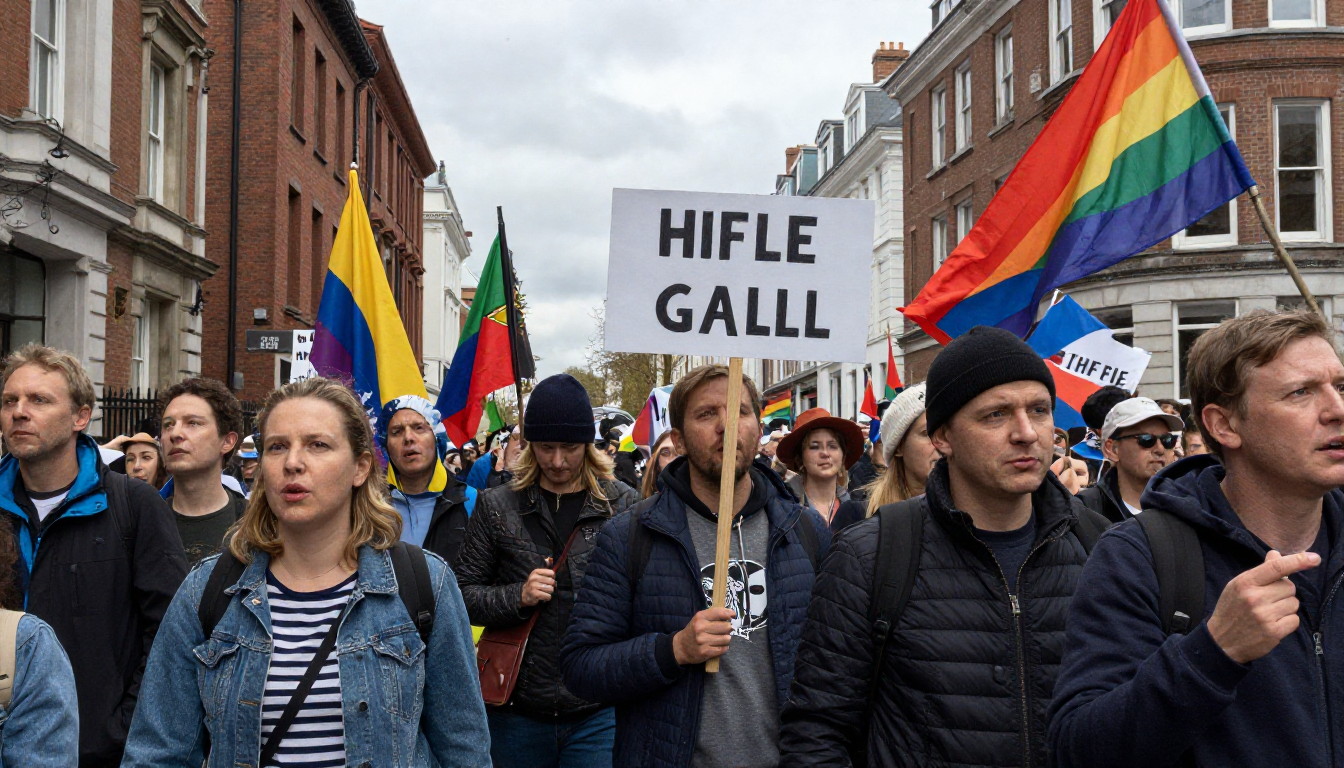
Economic boycotts have a long history in the United States, dating back to the iconic Boston Tea Party. Modern activists draw inspiration from the Montgomery Bus Boycott and the United Farm Workers grape boycott of the sixties. Today’s “May Day Strong” movement arrives exactly 20 years after the massive “A Day Without an Immigrant” protest. That event in 2006 brought an estimated 2 million people to the streets to fight against federal criminalization.
The current escalation involves a move from weekend rallies to full economic shutdowns during the regular work week. Organizers from groups like Indivisible describe this as a necessary “tactical escalation” against the current political regime. By measuring their strength now, they prepare for potential interference in the upcoming midterm elections this autumn. The goal is to build “protest muscle” that can credibly protect democratic institutions through mass non-cooperation. Many businesses have closed in solidarity, particularly in areas like Minneapolis where ICE crackdowns have sparked intense local resistance.
Local strikes and the fight for a decent life in Minnesota
In Minneapolis, hospitality workers at the Hotel Ivy are leading a specific strike for better pay and conditions. Members of UNITE HERE Local 17 are demanding a 3 dollar raise and the inclusion of sick days. Many of these housekeepers and engineers currently work 2 or 3 jobs just to survive each month. They chose May Day to strike in solidarity with the broader national movement for economic justice. Their request is simple: to be able to live a decent life from a single full-time job. Similar local strikes are occurring in various sectors across the country as contracts expire and negotiations fail.
Earlier we wrote about where to buy Tickets for Demi Lovato in Anaheim May 9, 2026: event date, ticket prices, and parking guide