

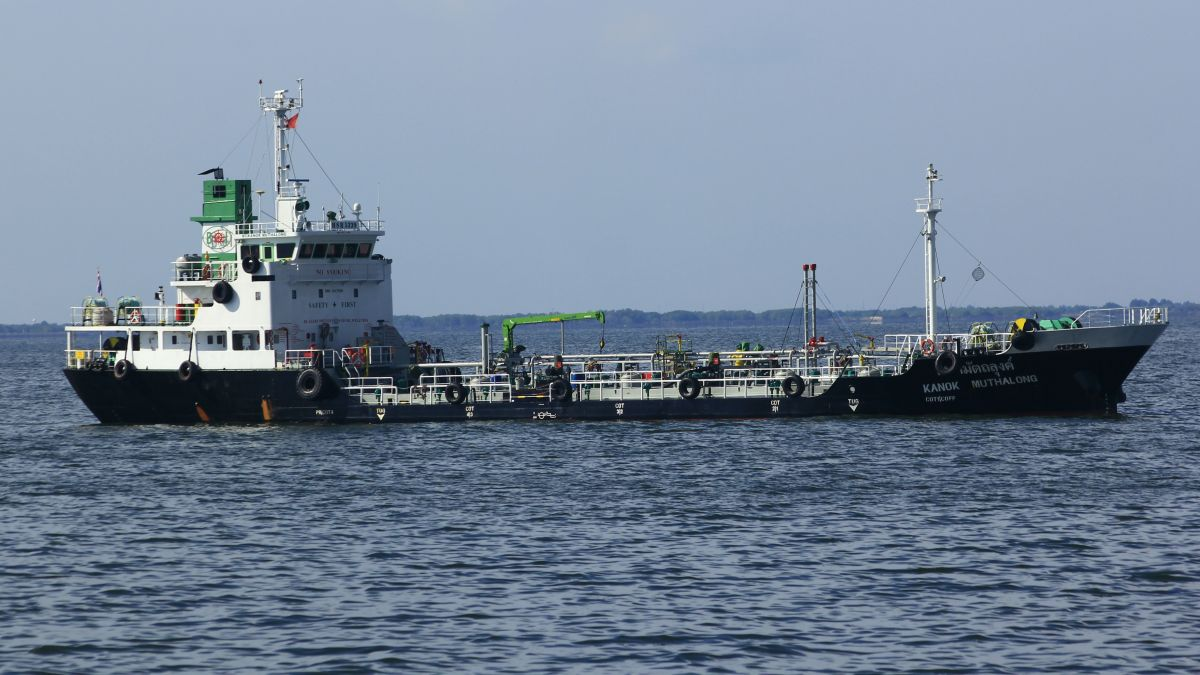
US Treasury Department has surprisingly issued General License 134B to temporarily lift restrictions on the purchase of Russian oil and petroleum products. This strategic maneuver by the Office of Foreign Assets Control allows for the delivery and sale of energy resources loaded onto vessels as of 17 April 2026. The decision marks a significant shift in Washington’s recent economic policy regarding global energy markets. Market analysts are closely watching how this move impacts the current price cap mechanism and global supply chains. Despite previous strict rhetoric, the administrative change provides a crucial window for maritime logistics. This decision has sparked intense debate among international observers and policy experts in the capital. The temporary waiver specifically addresses the immediate needs of global fuel stability during a volatile period. Detailed insights on these administrative shifts are provided by the Baltimore Chronicle via Reuters.
Economic implications of the US Treasury Department policy shift
The issuance of General License 134B represents a pragmatic approach to preventing a sudden global energy crisis. By allowing the sale of Russian oil loaded before the deadline, the US Treasury Department prevents a massive maritime bottleneck. This directive covers products from entities that currently remain under various sanctions. The sudden change contradicts earlier public assurances from American officials who promised no further extensions of such licenses.
Key details regarding the new maritime energy regulations:
- The temporary waiver is strictly limited to a period of 1 month.
- It applies to all Russian oil and petroleum products transported by sea.
- Vessels must have been loaded no later than 17 April 2026 to qualify.
- The license includes products manufactured by companies on the OFAC sanctions list.
- Financial institutions are permitted to process related transactions during this specific window.
This temporary measure aims to stabilize domestic fuel prices which have seen a steady climb recently. Officials believe that a sudden halt of these shipments would damage the global economy more than the target. The logistics sector has welcomed the clarity provided by this one-month grace period for pending deliveries. However, critics argue that this weakens the long-term pressure on the Russian energy sector.

Global market reaction to the lifting of energy restrictions
Energy markets reacted almost instantly to the news from the US Treasury Department about the maritime waiver. Traders are recalibrating their forecasts as Russian oil continues to flow into the international system legally. This decision highlights the delicate balance between geopolitical goals and the reality of global supply. Refineries in several regions have been waiting for such a signal to finalize their inventory planning.
Expected effects on the international energy sector:
| Market sector | Projected impact | Timeframe |
| Crude oil prices | Short-term stabilization | 30 days |
| Maritime logistics | Reduction in port congestion | Immediate |
| Sanctions compliance | Increased administrative workload | Q2 2026 |
| Fuel retail prices | Slight decrease at the pump | 2 to 3 weeks |
| Trading volumes | Spike in short-term contracts | April to May |
The data suggests that the US Treasury Department is prioritizing market liquidity over absolute isolation in this instance. Financial analysts expect a surge in activity as companies rush to meet the 17 April 2026 deadline. This window allows for a controlled exit from existing contracts without triggering massive defaults. Future policy remain uncertain as the one-month limit approaches its final days.
Strategic reasons behind the maritime license extension
The decision to allow Russian oil shipments despite sanctions is likely a response to internal economic pressures. Washington faces a difficult choice between maintaining high energy prices or allowing temporary trade exceptions. By focusing on goods loaded by 17 April 2026, the US Treasury Department creates a specific cutoff point. This prevents the license from being seen as a permanent retreat from the established sanctions regime.
Public perception of this move remains divided across the political spectrum in the United States. While some appreciate the lower energy costs, others see it as a compromise of foreign policy values. The OFAC will likely monitor every transaction under General License 134B with extreme scrutiny to prevent abuse. This month of eased restrictions will serve as a test for future energy interventions.
Earlier we wrote that Virginia Ex-Lt. Gov. Justin Fairfax kills wife and self: Annandale police confirm murder-suicide