

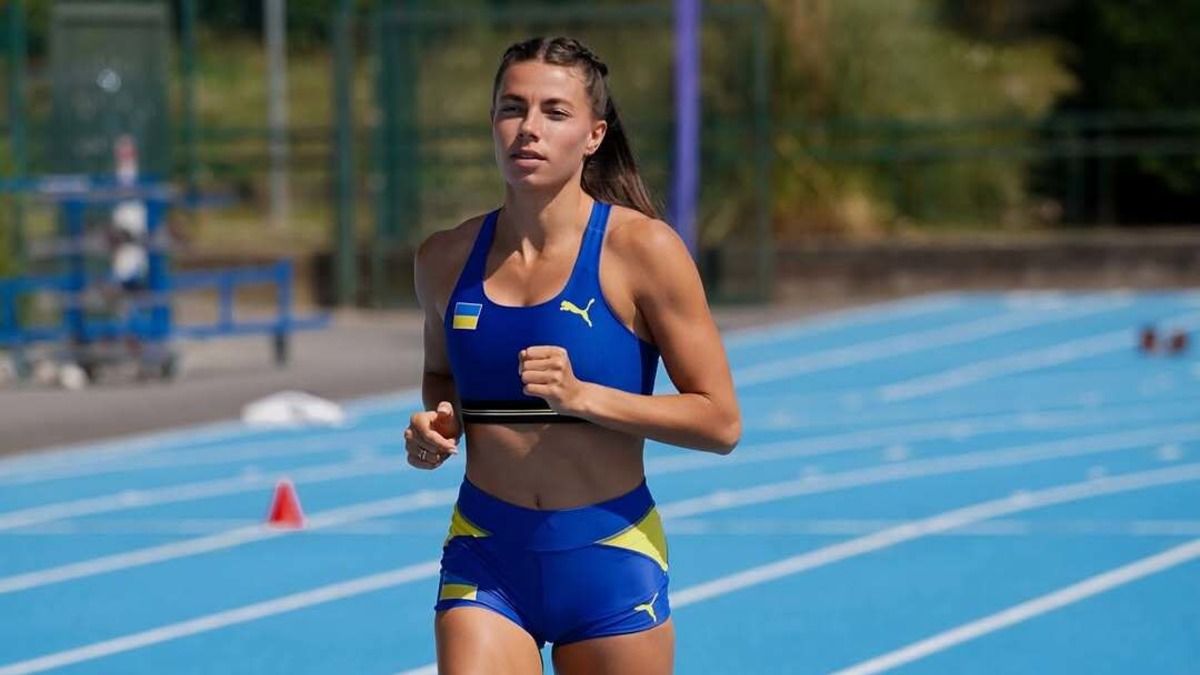
Renowned Ukrainian track and field athlete Marina Bekh-Romanchuk has publicly shared for the first time the circumstances surrounding the doping found in her system, which led to a four-year suspension, reports Baltimore Chronicle with reference to the interview. Her doping test revealed the prohibited substance testosterone. In an interview with journalist Masha Yefrosinina, the 30-year-old athlete explained that the issue was linked to medical problems, specifically polycystic ovary syndrome diagnosed in 2020, which affected her hormonal balance and complicated conception.
Bekh-Romanchuk stated that the diagnosis came after a sudden weight loss before the 2019 World Championships, during which she lost approximately 4.5 kilograms of fat due to incorrect treatment and strict dietary restrictions. “At first, everything was fine, but a month after the World Championships, my hormones began to fluctuate: my cycle disappeared, and later, after experiencing pain, I was diagnosed with polycystic ovary syndrome,” she said.
The athlete emphasized that treatment was complicated by the constant risk of failing doping tests. “Over the years, I could not undergo proper treatment because any medication could affect my test results. Many people assume that positive tests indicate intentional doping, but that is not always the case,” Bekh-Romanchuk added.
Marina also discussed the challenges she faced while trying to conceive. She underwent treatment with dietary supplements and was consistently monitored by a single physician who carefully selected medications to avoid hormonal imbalance and ensure that none would trigger positive doping tests. She described allergic reactions to antibiotics during this period, including rashes on her back, chest, and face, severe discomfort, and systemic intoxication.
Bekh-Romanchuk provided detailed insight into her positive doping test. She explained that she was accused of using testosterone, even though her medical condition naturally elevates this hormone. Her treatment aimed to normalize hormone levels, not increase them. “The test indicated exogenous testosterone at levels so low that it proves I did not use it. My focus was always on supporting fertility and maintaining health,” she said.
According to the athlete, independent experts confirmed that the elevated testosterone levels were caused by a combination of factors: the dietary supplements, her body’s individual response, stress, and vitamins she was taking. These elements led to detectable testosterone in the tests but do not indicate deliberate doping.
Earlier we wrote that Marta Kostyuk advances to WTA 1000 Beijing round of 16 with victory over Sasnovich.