

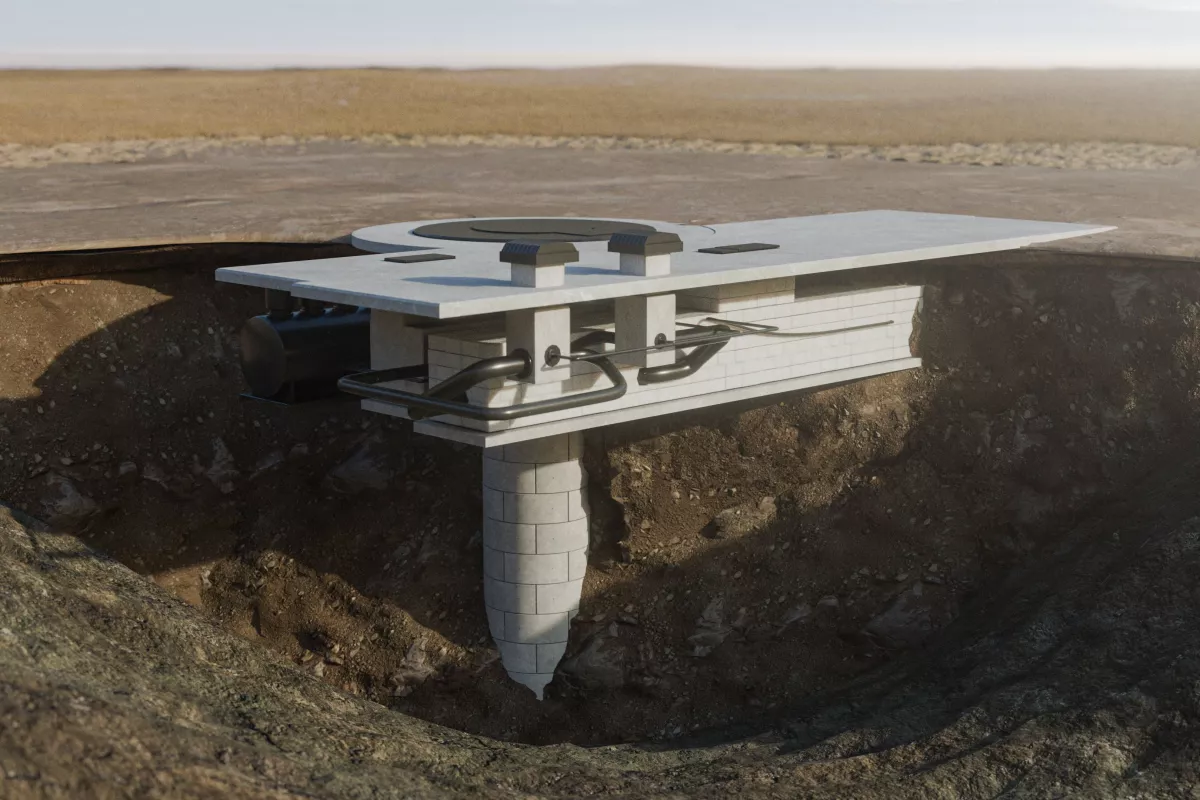
US Air Force breaks ground on next-gen nuclear missile silo in Promontory, Utah, marking a pivotal shift in global security. This project aims to replace the aging fleet of Minuteman III missiles that have served since 1970. The new infrastructure will house the advanced LGM-35A Sentinel, a critical component of the American nuclear triad. Northrop Grumman and Bechtel are leading the construction of this prototype facility to modernize land-based deterrents. The current silos in Wyoming, North Dakota, and Montana are suffering from significant structural deterioration and outdated tech. Upgrading these old sites proved less efficient than building entirely new, modular installations from the ground up. This transition ensures that the United States maintains a credible retaliatory strike capability against any potential nuclear threats. This massive engineering undertaking is a response to the logistical nightmare of maintaining 50-year-old analog systems, as reported by the Baltimore Chronicle via US Air Force.
The LGM-30 Minuteman III has been the backbone of the land-based nuclear force for over five decades. Currently, 400 active missiles are stationed in 450 silos across the Great Plains of the United States. However, these facilities rely on copper cabling, voice-grade phone lines, and manual analog hardware for critical operations. The damp environments and cramped layouts make modern repairs nearly impossible for technicians working in the field.
Technical specifications of the LGM-35A Sentinel and its new home
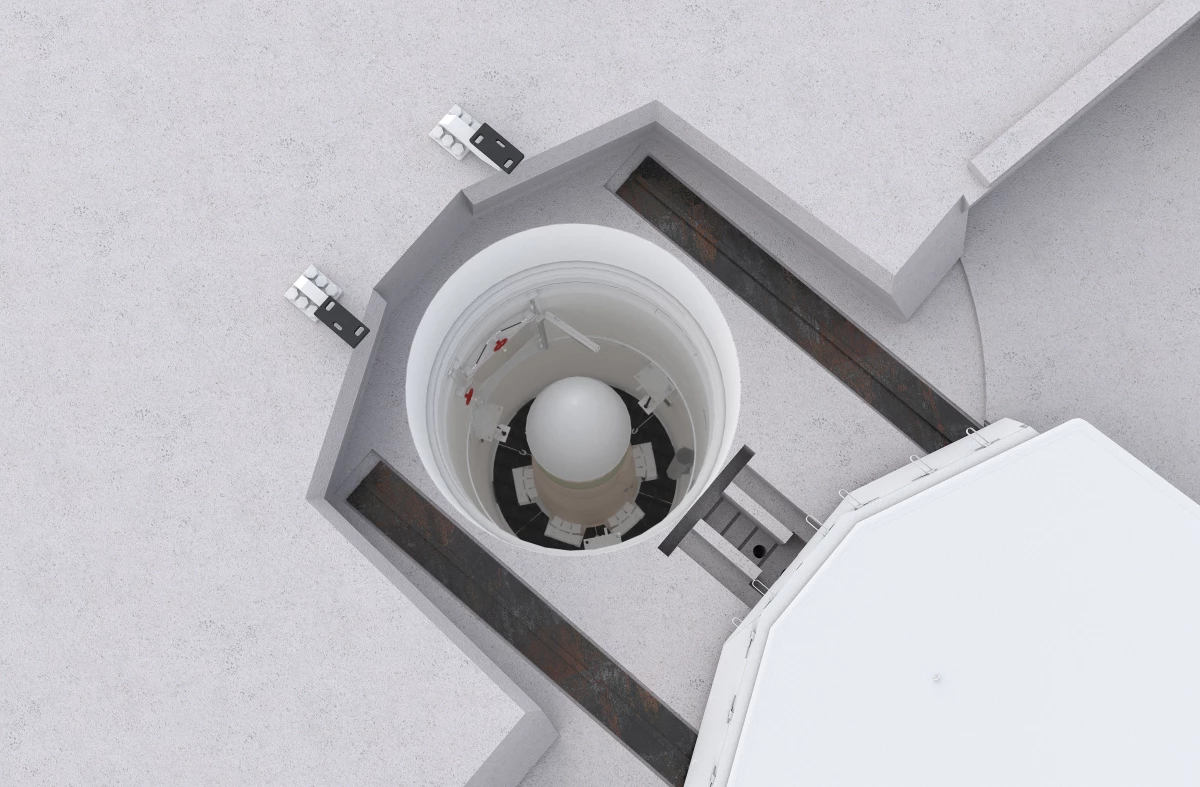
The LGM-35A Sentinel is a three-stage solid-fuel rocket designed for superior precision and increased range. It stands 18 meters high and carries a powerful 475-kiloton-yield warhead for strategic targeting. The US Air Force plans to procure 400 missiles for active deployment across the redesigned silo network. An additional 234 missiles will be produced for spare parts and regular flight testing schedules. Unlike the custom-poured concrete of the past, these new silos utilize factory-made, pre-cast interchangeable sections. This modular approach mirrors modern tunnel construction, allowing for rapid assembly and easier future upgrades.
Key improvements in the next-generation silo design include:
- Modular construction: factory-built concrete sections replace old poured-in-place methods for faster deployment.
- Digital backbone: software-defined electronics replace ancient analog circuits and hard-wired connections.
- Hardened fiber-optics: high-bandwidth networks provide secure and near-instantaneous communication between command centers.
- Ergonomic layout: redesigned interior spaces allow technicians to access and repair equipment much more quickly.
- Environmental control: advanced HVAC systems prevent moisture buildup to protect sensitive electronic components.
- Digital twin technology: engineers can track every part from the factory to the silo using precise digital models.
These advancements represent a leap from 20th-century mechanics to 21st-century digital warfare infrastructure. The use of standardized components reduces the long-term cost of maintenance for the Department of Defense. Testing for the Sentinel rocket stages is already complete, with full flight tests expected in 2027. The military anticipates reaching initial operational capability for the first units by the early 2030s.
Strategic implementation and the future of the Minuteman III sites
The decision to build 450 new silos on existing military land allows the current force to stay alert. By building new sites rather than refurbishing old ones, the US avoids gaps in its deterrent posture. Configuration management is now handled through a “plug-and-play” system for both mechanical and electrical parts. This ensures that every silo in the fleet is identical, simplifying training for Air Force personnel. The transition from the Minuteman III to the LGM-35A Sentinel will be a gradual, multi-year process.
| Project Component | Detail |
| Location of Prototype | Promontory, Utah |
| Prime Contractor | Northrop Grumman |
| Construction Partner | Bechtel |
| Number of New Silos | 450 units |
| Planned Deployment | 400 active missiles |
| First Flight Test | Scheduled for 2027 |
| Operational Goal | Early 2030s |
The Air Force has not yet confirmed the fate of the decommissioned Cold War era silos. Historically, such government properties have been sold to private buyers for unique residential conversions. Some former missile sites have become luxury underground bunkers or unusual vacation homes for enthusiasts. For now, the focus remains on the Utah prototype to finalize the construction blueprint for the rest. This move reinforces the land-based pillar of the US nuclear strategy for the next half-century.
Earlier we wrote about exit permits for German men aged 17-45: how to travel abroad under new military laws