

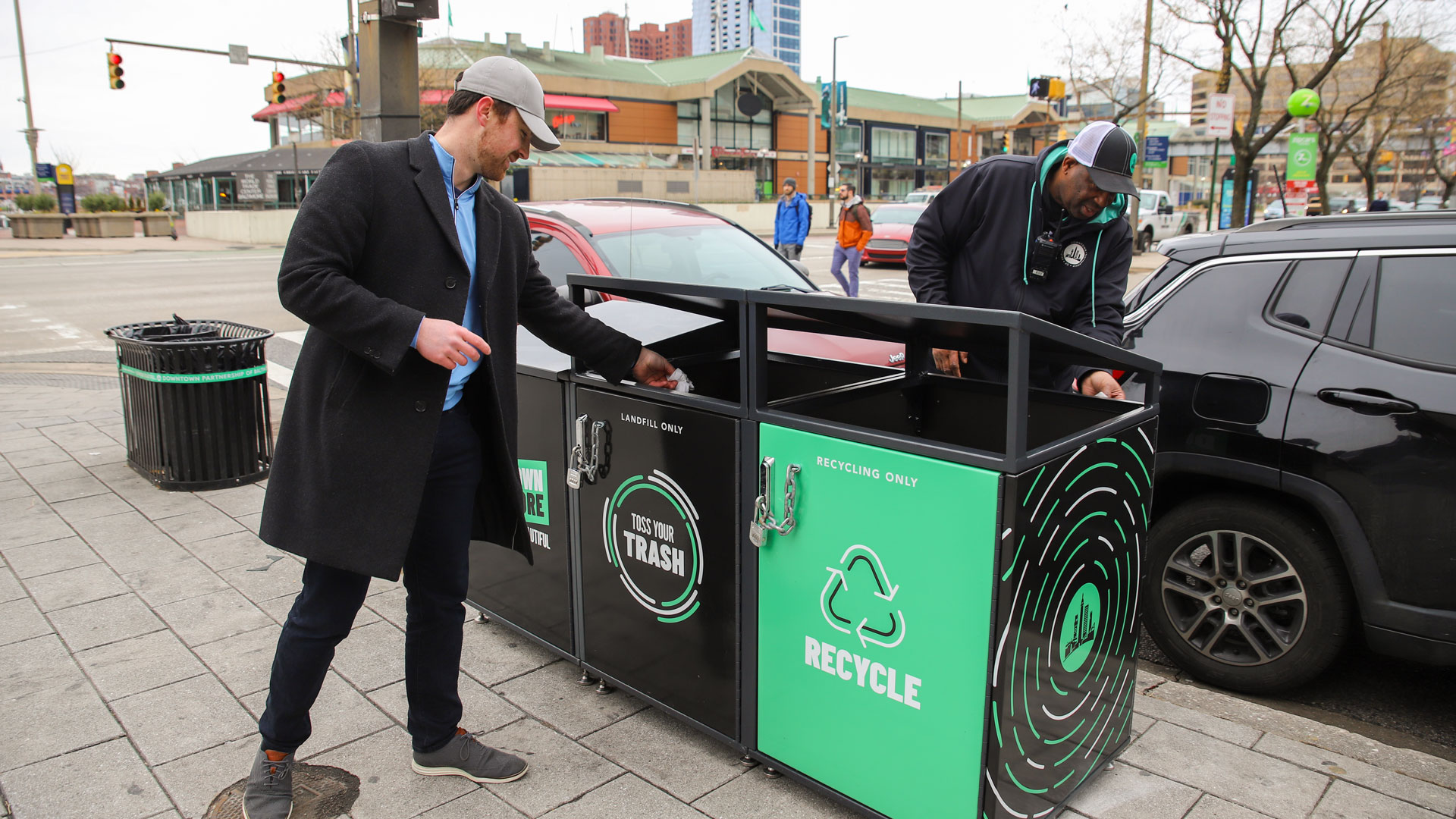
Baltimore trash and recycling services are the critical engine behind the city’s cleanliness, keeping our historic streets from Fells Point to Mount Washington free of debris through a complex web of Department of Public Works (DPW) logistics. Understanding the “one-plus-one” collection model is essential for every resident, as it requires more than just dragging a bin to the curb; it demands knowledge of bin specifications, seasonal shifts, and the nuance of urban sanitation management.
Whether you are a newcomer or a long-time resident dealing with a missed pickup, staying informed is the only way to avoid fines and manage overflowing alleys, as noted by the editorial staff of Baltimore Chronicle.
Understanding the Standard Collection Cycle
Efficiency in urban waste management starts with knowing exactly when the trucks arrive in your specific zone.
For most residential areas, Baltimore utilizes a specific frequency where trash is collected weekly, while recycling efforts follow a separate, often bi-weekly or staggered schedule depending on the current DPW operational capacity. This ensures that the fleet of trucks can cover the city’s dense layout without overwhelming the local processing centers or the landfill at Quarantine Road.
| Waste Category | Collection Frequency | Container Requirement |
| Household Trash | Weekly | City-issued green bin |
| Single-stream Recycling | Every other week | Labeled bin with tight lid |
| Bulk Trash | By appointment only | Varies by item type |
Determining your specific zone is the first hurdle for any resident moving into a new neighborhood.
You can quickly find trash day baltimore through the city’s interactive map, which identifies your specific quadrant and provides a downloadable calendar tailored to your address. If you reside in a high-density area like Canton or Federal Hill, be aware that alley pickups are the norm, whereas suburban-style neighborhoods in North Baltimore typically utilize front-curb service.
Missing your window by even an hour can lead to significant sanitation issues, so it is widely recommended to place bins out no earlier than 6:00 PM the night before and remove them by the evening of collection day.
Navigating the Official Baltimore Recycling Rules
Baltimore has shifted toward a single-stream system, which theoretically simplifies the process for the average household by allowing all recyclables to go into one container.
The core philosophy here is to minimize contamination, as a single greasy pizza box or a half-full soda bottle can ruin an entire batch of otherwise perfectly salvageable paper or plastic.
- Paper and Cardboard: Must be dry and flattened to save space in the truck.
- Plastic: Only bottles and jars labeled with recycling codes 1 through 7 are accepted.
- Metal: Aluminum cans, steel tins, and clean foil are all permitted.
- Glass: Clear, green, and amber food and beverage containers should be rinsed thoroughly.
Sticking strictly to the baltimore recycling rules ensures that our local processing centers can operate without mechanical failures caused by what experts call “wish-cycling.”
Common culprits that clog the machinery include plastic bags, garden hoses, and electronics, none of which belong in your yellow or green recycling bin. If you are unsure about a specific item, the DPW suggests the “when in doubt, throw it out” approach to protect the integrity of the recycling stream.
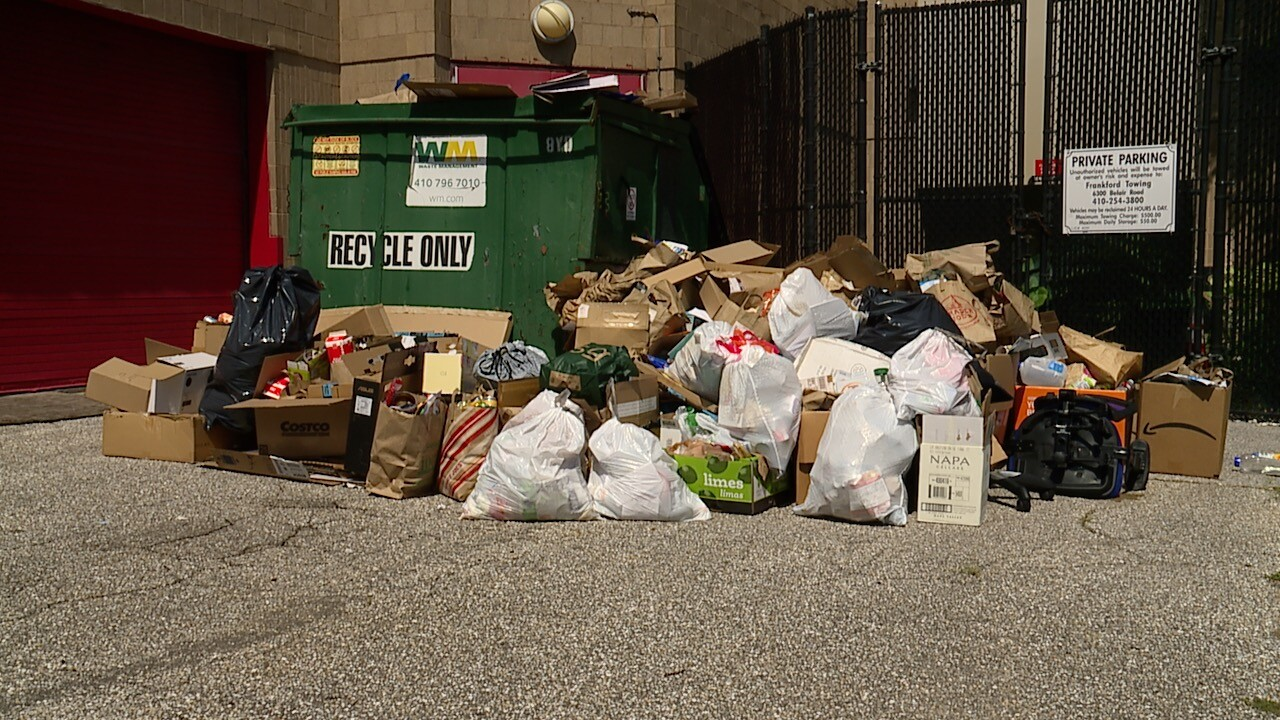
Securing and Maintaining City-Issued Bins
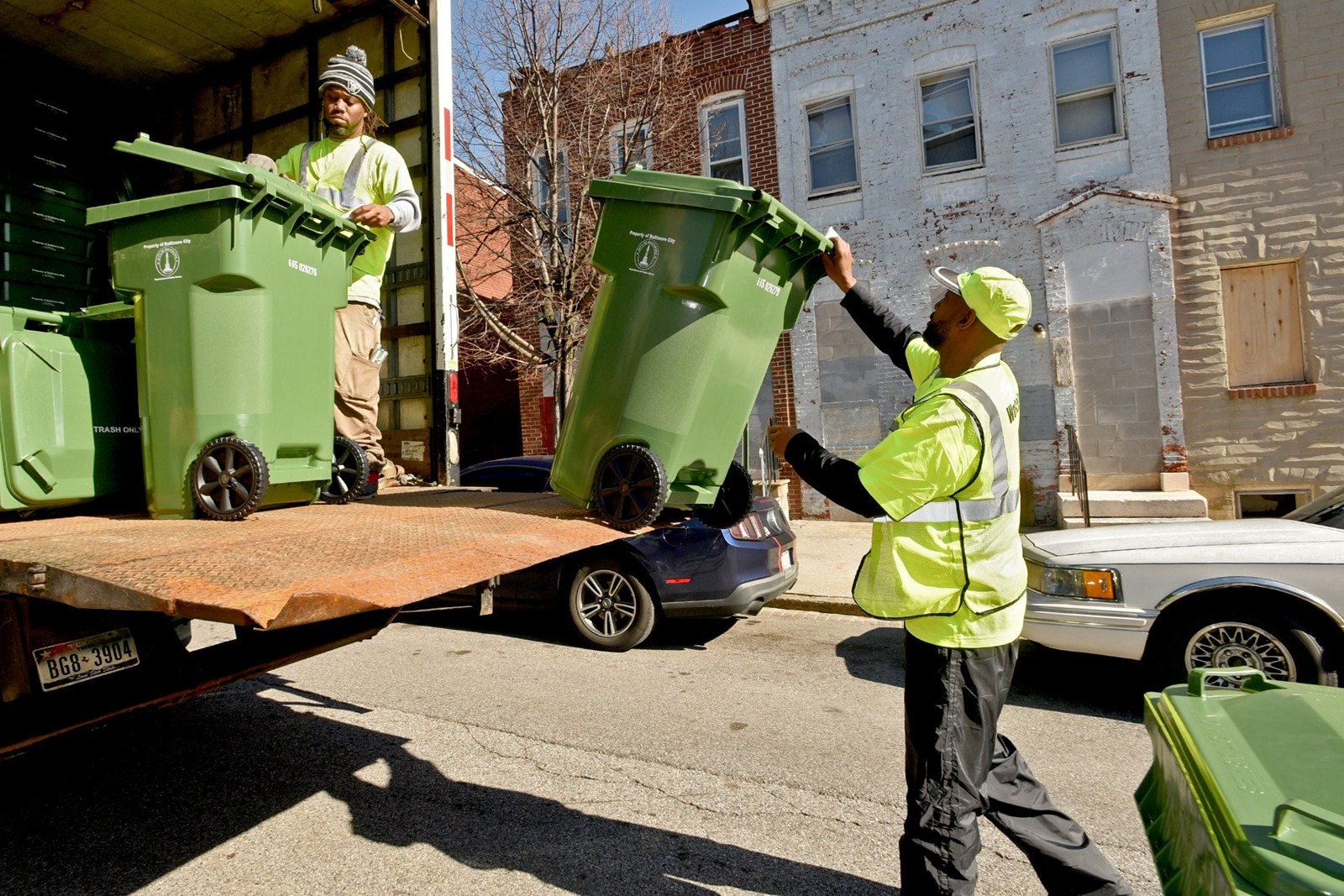
The city provides standardized green trash cans to residents to ensure compatibility with the hydraulic lifting mechanisms on the modern collection trucks.
“A properly sealed bin is the first line of defense against the city’s rat population and helps maintain the aesthetic integrity of our shared alleyways.”
If your bin is damaged or stolen, you must report it to 311 to initiate a replacement request, though patience is often required during periods of high demand. Private containers are generally discouraged for primary trash collection because they may not meet the safety specifications required by the DPW workers, leading to potential injuries or missed pickups. Maintaining your bin involves semi-regular cleaning with a diluted bleach solution to prevent stubborn odors that attract local wildlife like raccoons and stray cats.
You should also check the wheels and lid hinges periodically to ensure they are functioning correctly before the winter freeze makes them brittle.
Residential Scheduling and Holiday Delays
Planning around the baltimore recycling schedule is often the most confusing part of the week for residents because of the floating nature of holidays. Holidays like Labor Day, Thanksgiving, and Christmas invariably push collection back by twenty-four hours, creating a “sliding” schedule for the remainder of the week.
- Check the DPW holiday calendar at the start of each year.
- Subscribe to 311 text alerts for real-time delay notifications.
- Note that some neighborhoods have “make-up days” on Saturdays following a Friday holiday.
- Confirm if your specific street follows a unique quadrant rule during snow emergencies.
When a major weather event hits Maryland, baltimore dpw trash operations may be suspended entirely to allow drivers to operate snowplows and salt spreaders.
During these times, the city usually issues a press release regarding when service will resume, and residents are asked to keep bins off the streets to allow for clear plowing paths. It is vital to remember that missed collections due to weather are usually not “made up” until the following week’s scheduled day, so you must manage your waste volume accordingly.
Always keep your lids tightly secured during windstorms to prevent debris from scattering across the neighborhood.
Proactive Waste Management with the 311 System
The 311 service is the primary artery for communication between Baltimoreans and the city’s waste management infrastructure.
Whether you are reporting a missed pickup, requesting a bulk trash appointment, or complaining about illegal dumping in a vacant lot, this system tracks your request with a unique reference number. While the app is convenient, calling 311 directly can sometimes provide more immediate clarity on complex issues. For those dealing with large-scale cleanouts, the city offers a bulk pickup service for up to three items per appointment, which must be scheduled at least several days in advance.
This prevents large furniture and appliances from lingering on the sidewalk, where they often become targets for further illegal dumping or vandalism.
It is also the best way to request a “clean and green” team for community-led neighborhood beautification projects. Successful residents use the 311 platform not just for complaints, but as a tool for community improvement. If you notice a neighbor consistently violating the baltimore trash pickup ordinances, a polite report can lead to an educational visit from a sanitation officer. This collective accountability is what keeps Baltimore’s neighborhoods habitable and vibrant for everyone who calls this city home.
FAQ: Frequently Asked Questions
What happens if the city misses my trash pickup?
You should wait until 6:00 PM on your scheduled day before reporting a missed collection via the 311 app or website to ensure the crew has finished their route.
Can I recycle plastic grocery bags in my curbside bin?
No, plastic bags are the leading cause of equipment failure at sorting facilities; these should be returned to designated drop-off bins at local grocery stores.
How do I dispose of old paint or household chemicals?
Hazardous waste cannot be put in regular trash; you must take these items to the Sisson Street Citizen Drop-Off Center during designated hazardous waste drop-off events.
What is the limit for weekly trash collection?
Residents are generally limited to the amount of waste that fits inside their city-issued 64-gallon or 35-gallon green trash can with the lid closed.
Where can I drop off trash myself if I miss my day?
Baltimore operates several Citizen Drop-Off Centers, including locations on Sisson Street, Northwest Transfer Station, and Quarantine Road Landfill.
Are Christmas trees collected curbside?
Yes, typically during the month of January, the city offers specific dates for curbside tree collection, provided all tinsel and ornaments are removed.
How do I handle shredded paper?
Shredded paper is too small for the sorting machines and should be composted or disposed of as regular trash unless placed in a specific paper-only drop-off.
Do I need to rinse my jars before recycling?
Yes, food residue can contaminate other materials; a quick rinse is sufficient to ensure the item is processable.
Is there a way to get a smaller trash can?
Seniors or residents with physical limitations can sometimes request a smaller 35-gallon bin through the DPW to make it easier to maneuver.
What should I do with grass clippings and leaves?
Yard waste is collected seasonally and should be placed in brown paper lawn bags, not plastic bags, on your scheduled day.
Earlier we wrote about Baltimore Parking Tickets: How to Pay, Appeal, Avoid Common Mistakes