

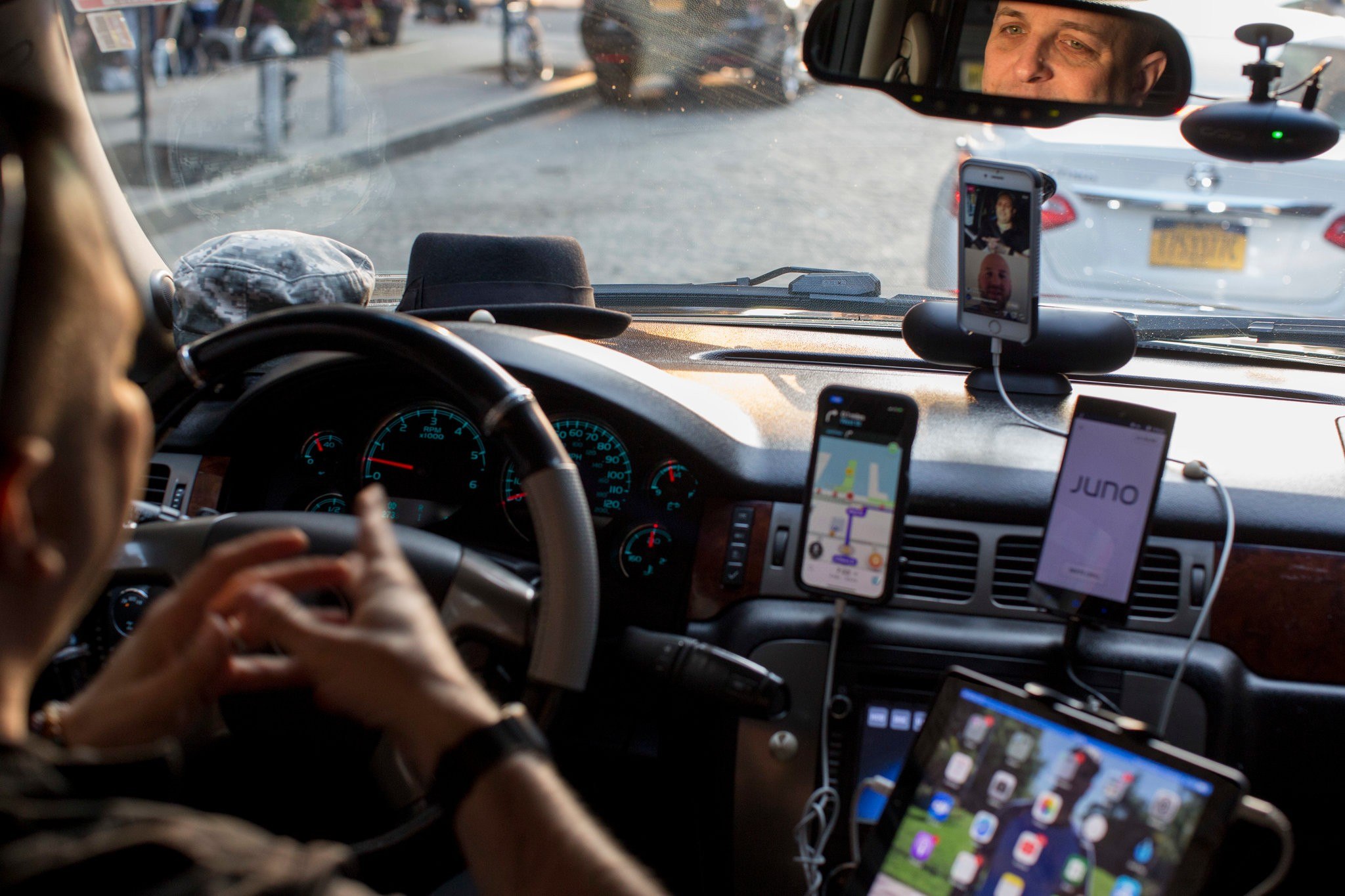
How to become an Uber driver in USA 2026 starts with confirming your age, driving history, vehicle, insurance, and local requirements. The online application can take less than 1 hour, while final approval may require several days because background checks and city permits vary, as noted by Baltimore Chronicle.
This guide covers the documents, vehicle inspection, driver screening, tax setup, and final account activation. It also explains which mistakes delay applications and which costs to calculate before accepting passengers.
Key takeaways
- New passenger drivers must meet Uber’s city-specific age and US driving-experience requirements.
- The vehicle needs 4 doors, valid registration, insurance, and approval for the selected market.
- Activation requires document verification, driver screening, and any inspection or permit required locally.
How to Become an Uber Driver in USA 2026: What You Need
Uber applies national standards, but final eligibility is determined at the local market level. Requirements in Baltimore, Miami, Houston, Seattle, and Los Angeles may differ.
Gather your documents before creating the application. Clear and current files reduce repeated uploads, automatic rejections, and manual reviews.
What you need
- A smartphone compatible with the current Uber Driver app
- A valid US driver’s license
- A Social Security number for screening
- At least 1 year of licensed US driving experience
- At least 3 years of experience when applying under age 25
- Current vehicle registration
- Valid personal auto insurance
- Proof of residency when requested
- A bank account for deposits
- Funds for fuel, inspection, cleaning, permits, and insurance changes
Uber’s national guidance says new drivers must meet the minimum age for their city. The main US requirements page generally lists 23 as the minimum age for new drivers.
Some markets may impose a higher minimum age. Applicants should enter their city on Uber’s official requirements page before relying on a national rule.
The standard driving requirement is 1 year of licensed experience in the United States. Applicants under 25 generally need at least 3 years.
Local regulators can add inspections, permits, business licenses, or airport credentials. New York City drivers usually face separate Taxi and Limousine Commission requirements.
Do not buy or lease a vehicle before checking your exact market. A car accepted in Texas may not qualify for the same Uber service in California or Washington.
Step 1: Check Your Personal Eligibility
Open Uber’s official US driver requirements page. Enter your legal name, mobile number, email address, and intended driving city.
Your information must match your driver’s license and screening records. Name differences can trigger identity checks or document rejection.
Uber will also ask whether you own an eligible car. Applicants without one may see rental or vehicle-partner options in supported markets.
Why it matters: Eligibility rules can change by city, driver age, and service category.
Common mistake: Do not create several accounts after an error. Duplicate profiles can delay verification.

Step 2: Confirm That Your Vehicle Qualifies
A standard UberX vehicle usually needs 4 independently opening doors. It must have 5 factory-installed seats and working seat belts.
Uber’s national vehicle guidance generally requires a vehicle no more than 15 model years old. Individual cities may impose a newer model-year limit.
The vehicle should have working windows and air conditioning. Major cosmetic damage, commercial branding, or unsafe modifications can cause rejection.
Salvaged and rebuilt vehicles are normally excluded. Box trucks, marked taxis, government vehicles, and cars with aftermarket seating are also generally ineligible.
Check these requirements before spending money on a vehicle:
| Requirement | Typical UberX rule | Possible local difference |
|---|---|---|
| Doors | 4 independently opening doors | Special services may require another body type |
| Seating | 5 factory-installed seats and seat belts | UberXL requires greater passenger capacity |
| Vehicle age | Generally 15 model years old or newer | Some cities require newer vehicles |
| Condition | No major damage or commercial branding | A formal inspection may be required |
| Registration | Current official or temporary registration | Some markets require local registration |
| Insurance | Coverage meeting state law | Rideshare or commercial coverage may be needed |
The registration does not always need to be in the driver’s name. However, the driver must be permitted and insured to use the vehicle.
Contact your insurer before turning on the app. Many personal policies restrict commercial or rideshare activity.
A rideshare insurance endorsement can help cover gaps between personal insurance and platform coverage. Availability and cost differ by insurer and state.
Uber Black has stricter standards. These can include commercial insurance, a black exterior, a qualifying interior, and a newer vehicle.
Rental vehicles should be assessed carefully. Compare weekly charges, mileage rules, charging costs, deposits, taxes, and insurance terms.
Common mistake: Never assume that any 15-year-old sedan qualifies. Check the exact make, model, trim, year, and city.
Step 3: Upload Your Driver and Vehicle Documents
Upload your driver’s license first. Uber uses it to compare your legal identity with other account records.
Place each document on a flat surface with good lighting. Show every edge, number, name, and expiration date.
- Upload a valid US driver’s license.
- Add current vehicle registration.
- Submit proof of vehicle insurance.
- Provide proof of residency when requested.
- Take a clear driver profile photograph.
The profile image should show your face directly. Do not use sunglasses, a hat, a group photo, or a picture of another photograph.
Insurance documentation should identify the covered vehicle. Uber may request additional proof that you are an authorized driver.
Temporary registration is accepted in many US markets. Local agencies may still require permanent plates or separate transportation permits.
Review every expiration date before submitting the application. A policy ending soon may require another upload before activation.
Keep digital copies in a secure folder. Updated documents will be needed when licenses, insurance, registrations, inspections, or permits expire.
Common mistake: Avoid screenshots, cropped images, glare, shadows, blurred text, and partially hidden identification numbers.
Step 4: Complete the Background and Driving-Record Screening
Uber requires consent for a criminal background check and driving-record review. A third-party screening provider usually handles this process.
The review can consider serious traffic violations, license suspensions, recent moving violations, and certain criminal records. Applicable state and local laws affect the assessment.
Uber may request an older license or an official motor vehicle record. This often happens when the available record does not show enough US driving history.
You can usually request that record from your state DMV, MVA, RMV, or equivalent agency. Fees and delivery times differ by state.
A pending screening does not always mean that a problem exists. Processing can slow when courts, motor vehicle agencies, or identity databases require manual review.
Why it matters: Uber cannot activate passenger access until the required screening is completed.
Common mistake: Do not ignore messages from Uber or the screening provider. Missing identity information can stop the review.
Step 5: Pass the Required Vehicle Inspection
Some markets approve vehicles after document verification. Others require an inspection at an approved garage, Greenlight location, or government facility.
The inspection may cover tires, brakes, headlights, turn signals, mirrors, windows, windshield condition, horn, steering, and seat belts.
Check for warning lights before scheduling the appointment. Worn tires, cracked glass, failed bulbs, or damaged seat belts can cause an immediate failure.
Inspection prices differ by provider and city in 2026. Confirm the current fee before arrival because Uber does not publish one national price.
A normal state safety inspection may not replace Uber’s required form. Download the exact document shown in the Driver app.
Common mistake: Do not visit an unapproved repair shop unless Uber confirms that the location can complete the required form.
Step 6: Add Payment and Tax Information
Add a bank account for regular deposits. Faster payout options may be available, although transaction fees and eligibility can change during 2026.
Rideshare drivers are generally treated as independent contractors for federal tax purposes. Uber does not withhold taxes like a traditional employer.
Track business miles from the first day. The IRS business standard mileage rate for 2026 is 72.5 cents per mile.
The mileage rate is not a cash payment from Uber or the IRS. It is an optional method for calculating eligible vehicle expenses.
Drivers may instead claim qualified actual expenses. These can include the business share of fuel, maintenance, repairs, insurance, registration, and depreciation.
Baltimore Chronicle’s guide to filing taxes for free in the USA in 2026 explains IRS filing options and common eligibility limits. Gig workers should confirm that the selected service supports self-employment forms.
Track these records throughout the year:
- Online miles and passenger-trip miles
- Fuel and charging receipts
- Maintenance and repair invoices
- Insurance and registration payments
- Parking and business tolls
- Phone and accessory expenses
- Uber earnings statements and tax forms
Keep business records separate from ordinary household purchases. A dedicated bank account can make monthly reviews easier.
Gross earnings are not the same as profit. Fuel, depreciation, unpaid driving, cleaning, tolls, repairs, and taxes reduce take-home income.
Drivers may need quarterly estimated tax payments. The amount depends on total income, deductions, filing status, and other household earnings.
If your records are incomplete near the deadline, read Baltimore Chronicle’s guide on how to file a tax extension in 2026. An extension gives you more time to file, but not more time to pay taxes owed.
Common mistake: Do not wait until tax season to reconstruct thousands of miles from memory.
Step 7: Activate the App and Prepare for Your First Ride
Once approved, check the Driver app for remaining local requirements. These may include trade dress, permits, airport credentials, or safety training.
Set up navigation, emergency contacts, accessibility options, and sound alerts. Install a secure phone mount and reliable charging cable.
Complete a short offline test drive before accepting passengers. Confirm that GPS, mobile data, audio alerts, and charging work correctly.
Keep the cabin clean and remove personal items. Check the rear seat, floor, door handles, and trunk before every shift.
Airport, stadium, hospital, and event pickups often use designated rideshare zones. Stopping outside them can create delays or citations.
Drivers should also understand how passenger prices change. Baltimore Chronicle explains how Uber surge pricing works in 2026 during storms, concerts, airport rushes, and commuter peaks.
Higher passenger prices do not guarantee equal growth in driver profit. Traffic and long pickup distances can erase the value of a busy period.
Estimate your operating cost per mile before going online. Include fuel, maintenance, tires, depreciation, insurance, cleaning, and unpaid driving.
Common mistake: Do not accept every request without checking pickup distance, destination information, and expected operating costs.
Troubleshooting Uber Driver Signup Problems
Most delays involve documents, screening, vehicle eligibility, or local permits. Review the Driver app’s document center before contacting support.
- Document rejected: Upload a new color image showing every edge and date.
- Background check pending: Check messages from Uber and the screening provider.
- Vehicle not listed: Verify the model year, trim, service type, and city.
- Insurance rejected: Request a declarations page or authorized-driver confirmation.
- Approved but offline: Check permits, inspections, agreements, and training tasks.
Compare the account name with every uploaded document. Even a missing surname or inconsistent address can prevent automatic approval.
Dispute inaccurate screening information through the screening company’s official process. Uber support usually cannot edit a third-party consumer report.
A vehicle approved in one city may fail after a market change. New cities can impose different registration, inspection, or licensing rules.
Keep screenshots of submission confirmations and support messages. These records can help when a case receives manual review.
Do not transport passengers before full activation. Delivery access does not automatically authorize UberX or another passenger service.
FAQ
How old do you have to be to drive for Uber in 2026?
New US passenger drivers must meet the minimum age shown for their city. Uber’s national page generally lists 23, but some markets may require 25.
Can I become an Uber driver without owning a car?
Yes. You may use an eligible borrowed, leased, or approved rental vehicle. Registration, insurance, and local requirements still apply.
How long does Uber approval take?
The online application may take less than 1 hour. Approval can take several days or longer when screening, inspections, or permits are delayed.
Does Uber require a vehicle inspection everywhere?
No single inspection rule applies across every US market. The Driver app shows the requirements for the selected city and vehicle.
Do Uber drivers need commercial insurance?
Many UberX drivers use personal insurance with rideshare coverage. Uber Black and certain regulated markets can require commercial insurance.
How much does it cost to start driving for Uber?
There is no national startup price. Costs may include inspection, permits, insurance changes, cleaning, fuel, repairs, and vehicle rental.
Earlier we wrote about How to Negotiate House Price After Inspection: 2026 Buyer Tactics That Work