

How to do Amazon Flex 2026 step by step starts with checking whether Amazon accepts drivers in your area, creating an account, passing the required screening, and learning how delivery blocks work. The application usually takes about 30–60 minutes, although activation may take longer when a market has a waitlist or a background check requires review, as noted by the Baltimore Chronicle editorial team.
Once approved, you can review available blocks, see the estimated payment, check the pickup location, and accept work that fits your schedule. The main challenge is not getting started. It is choosing routes that remain profitable after fuel, insurance, maintenance, tolls, taxes, and unpaid driving.
Key takeaways
- Applicants must be at least 21, have an eligible vehicle, and complete Amazon’s required screening.
- Each delivery block shows the pickup location, start time, estimated duration, delivery type, and offered payment.
- Track mileage and expenses from your first route because gross block pay is not your final profit.
What You Need Before Applying for Amazon Flex
Prepare your documents and account information before opening the application. Matching names, addresses, and identification details can prevent delays during identity verification and screening.
You will need:
- A compatible iPhone or Android phone with reliable mobile data
- A valid US driver’s license
- A Social Security number
- A checking account for electronic deposits
- An eligible 4-door sedan, SUV, van, or covered-bed truck
- Current vehicle registration
- Legally required personal auto insurance
- Access to your email account and phone camera
- About 30–60 minutes for the initial application
- Money for fuel, tolls, parking, and basic vehicle supplies
Amazon Flex drivers must generally be at least 21 years old. Vehicle eligibility depends on the delivery program, block length, package size, and local station requirements.
A midsize 4-door sedan may be enough for many standard routes. SUVs, vans, and larger vehicles can handle more packages but may also consume more fuel.
Your personal insurance policy needs special attention. Some insurers exclude delivery work or require a rideshare, delivery, or commercial endorsement. Ask your insurer directly whether Amazon Flex activity is covered in your state.
Do not assume Amazon-related protection automatically replaces your policy. Coverage can depend on the incident, account status, and whether you were actively completing an assigned block.
You should also prepare a modest starting budget. Amazon does not normally charge a signup fee, but your first week may involve fuel, phone data, parking, tolls, insulated bags, and cargo organizers.
Step 1: Check Amazon Flex Availability in Your Area
Visit the official Amazon Flex website or install the Amazon Flex app. Enter your ZIP code and check whether Amazon is accepting new drivers in your region.
This matters because Amazon activates delivery partners according to local demand. A city may accept applications during a busy period and return to a waitlist when enough drivers are available.
A common mistake is selecting a distant region only because registration is open. Driving 40–70 unpaid miles to a station can remove much of the profit from a block.
Amazon Flex operates through defined delivery regions rather than unrestricted nationwide access. A driver near Baltimore may see stations serving Baltimore, Hanover, Columbia, or other parts of central Maryland.
Always inspect the actual pickup address before accepting work. A station associated with a familiar city may still be far from your home.
Step 2: Create Your Amazon Flex Account
Sign in with an existing Amazon account or create a separate account for delivery work. Enter your legal name, home address, phone number, tax information, driver’s license details, and banking information.
All details should match your official records. Amazon uses this information for identity checks, tax reporting, payments, and driver screening.
Do not use an Amazon account shared with a spouse, roommate, or family member. Your Flex profile should be controlled only by the person completing deliveries.
The app may request a selfie and photographs of your identification. Use even lighting, remove sunglasses, keep every corner visible, and avoid reflections across the license.
Review all information before submission. An expired license, misspelled surname, outdated address, or incorrect bank number may delay activation.
After submitting the application, monitor both the app and your email. Amazon may request another document, provide screening instructions, or notify you that the selected market has a waitlist.
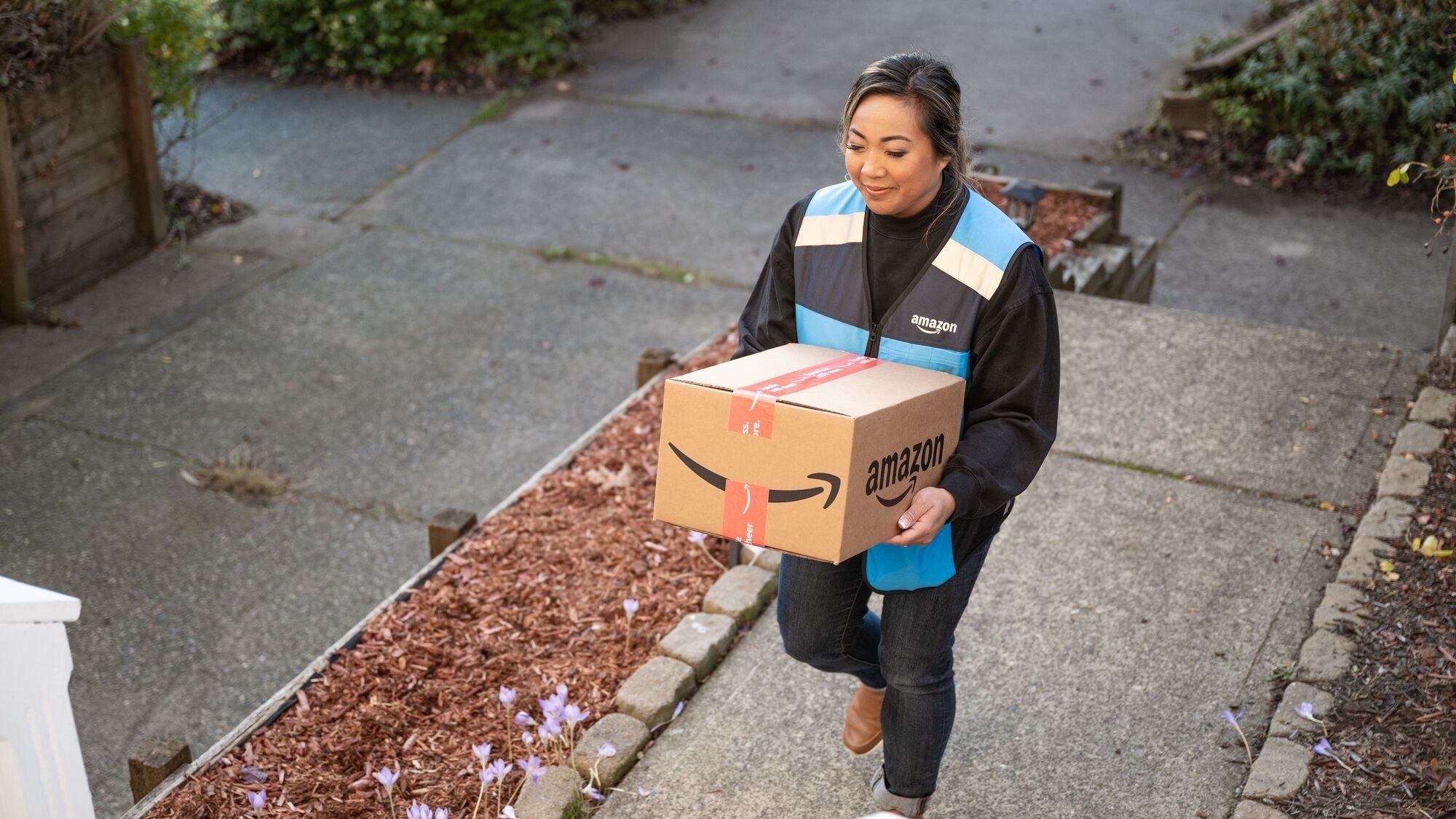
Step 3: Complete the Background and Driving Record Checks
Authorize the required background check and motor vehicle record review. Applicants must complete this screening before delivery opportunities become available.
The process matters because Flex drivers handle customer packages, enter residential areas, and operate vehicles throughout local communities. Screening may cover identity, criminal-history, and driving-record information.
Processing times vary. Some applicants receive a decision within several days, while others wait longer because of court records, licensing data, address history, or high application volume.
Do not create several accounts while the first review remains pending. Duplicate profiles can cause identity conflicts instead of speeding up approval.
If a screening report includes incorrect information, follow the dispute instructions in the official notice. Do not send sensitive documents to social media accounts or people claiming they can sell an approved profile.
A waitlist is not the same as a failed background check. It usually means the delivery region does not currently need more drivers.
Step 4: Set Up Payments, Taxes, and Mileage Tracking
Add a checking account that can receive electronic deposits. Confirm the available payment settings inside the app because payment schedules and account options may change.
This step matters because Amazon Flex drivers generally work as independent contractors. Amazon usually does not withhold federal income tax, self-employment tax, or state income tax from each payment.
The most expensive beginner mistake is treating gross earnings as spendable income. Create a separate savings category for taxes and record business expenses from your first route.
The following records will help you calculate your real income and prepare an accurate tax return.
| Item to track | Why it matters | Recommended record |
|---|---|---|
| Business mileage | May support a vehicle expense deduction | Date, route, total miles, and business purpose |
| Fuel or charging | Shows direct operating costs | Receipts and monthly card statements |
| Tolls and parking | Can reduce route profitability | Toll account records and receipts |
| Phone expenses | Part of the bill may relate to delivery work | Monthly bill and business-use estimate |
| Vehicle maintenance | Reveals the cost of high-mileage driving | Invoices for tires, brakes, oil, and repairs |
| Amazon payments | Needed for income reconciliation | App earnings history and bank deposits |
The IRS standard business mileage rate for 2026 is 72.5 cents per mile. This figure is used to calculate a possible tax deduction. It is not a mileage reimbursement from Amazon.
For example, 60 qualifying business miles would create a $43.50 mileage deduction calculation. That does not mean the trip cost exactly $43.50 or reduce your tax bill by the same amount.
Drivers generally compare the standard mileage method with the actual-expense method. The better choice depends on vehicle ownership, lease terms, depreciation, mileage, repairs, and other costs.
Use a mileage app or keep a written log. Reconstructing hundreds of trips months later can create incomplete records and missed deductions.
Drivers preparing Schedule C records can also review the Baltimore Chronicle guide on how to file taxes for free in the USA in 2026. It covers filing options for taxpayers with freelance, contractor, and gig income.
Amazon Flex drivers may also need to plan for quarterly estimated payments. The Baltimore Chronicle overview of US tax deadlines in 2026 explains important filing dates, extensions, and deadlines for self-employed workers.
Step 5: Find and Choose Your First Amazon Flex Block
Open the Offers section and review each available Amazon Flex block. The offer should display the pickup location, start time, estimated duration, delivery type, and expected earnings.
This information matters because 2 blocks with similar payments may create very different costs. A nearby 3-hour route can be more profitable than a higher-paying route with a long commute and tolls.
A common mistake is accepting a block before checking the station location. Calculate the unpaid drive to the station and the likely drive home before committing.
Amazon states that many Flex drivers earn approximately $18–$25 per scheduled hour, although actual results depend on location, tips, demand, and operating expenses.
Available work may include Amazon.com package routes, Sub Same-Day deliveries, grocery orders, and other local programs. Grocery routes may include customer tips, while standard package blocks usually show fixed earnings.
There is no guaranteed national release time for all blocks. Reserved offers, seasonal volume, cancellations, station staffing, and local demand affect when work appears.
Before accepting a block, estimate its likely net value. Subtract fuel or charging costs, tolls, parking, and a maintenance reserve from the displayed amount.
Vehicle wear must be included in that calculation. Delivery work can add hundreds or thousands of miles each month, increasing the need for tires, brakes, oil changes, and suspension repairs.
Before attempting repairs yourself, read the Baltimore Chronicle report on DIY car maintenance and its risks. The savings from home repairs should be compared with tool costs, safety risks, and lost working time.
Step 6: Check In and Load Your Vehicle
Arrive early enough to park, complete app check-in, verify your identity, and follow local station instructions. The app may ask you to scan your license, confirm arrival, or wait in a designated lane.
Timely check-in matters because arriving outside the permitted window can result in a missed block. Repeated missed blocks may affect account standing and access to future offers.
Do not mark yourself as arrived while you are still miles away. Location verification is designed to confirm that the driver is physically present.
Use the following sequence when collecting and organizing packages:
- Park only in the designated Flex area.
- Follow station employee and app instructions.
- Scan the route or packages when required.
- Confirm that the package count matches the app.
- Separate envelopes from boxes.
- Organize packages by stop number or route order.
- Secure large items without blocking windows or mirrors.
- Review the first stop before leaving the station.
Good organization saves more time than aggressive driving. Place early deliveries within easy reach and keep envelopes in a separate bin or bag.
Do not overload the vehicle or block rear visibility. Packages should remain secure during braking, turning, and highway travel.
If the package count does not match the app, report the issue before leaving. Resolving a missing or extra package at the station is easier than dealing with it later.
Step 7: Complete Deliveries and Handle Problems
Follow the route in the app, but use judgment when traffic, road closures, or access restrictions make another order more practical. Keep your phone charged and mounted where it does not obstruct your view.
Follow customer notes when they are lawful, safe, and consistent with Amazon’s instructions. Do not enter fenced areas with loose animals or locations that appear unsafe.
Never leave packages where they create a hazard or remain clearly visible from the street. Choose a sheltered location and take the required delivery photograph when prompted.
For apartments, locked gates, missing access codes, or closed businesses, use the contact and support options inside the app. Document attempted contact before marking a package undeliverable.
Do not finish the route while unresolved packages remain in the vehicle. Follow the app’s return instructions and confirm the correct station and deadline.
After completing the block, record the final mileage and total time. Include your commute, station wait, route, returns, and drive home when calculating hourly profit.
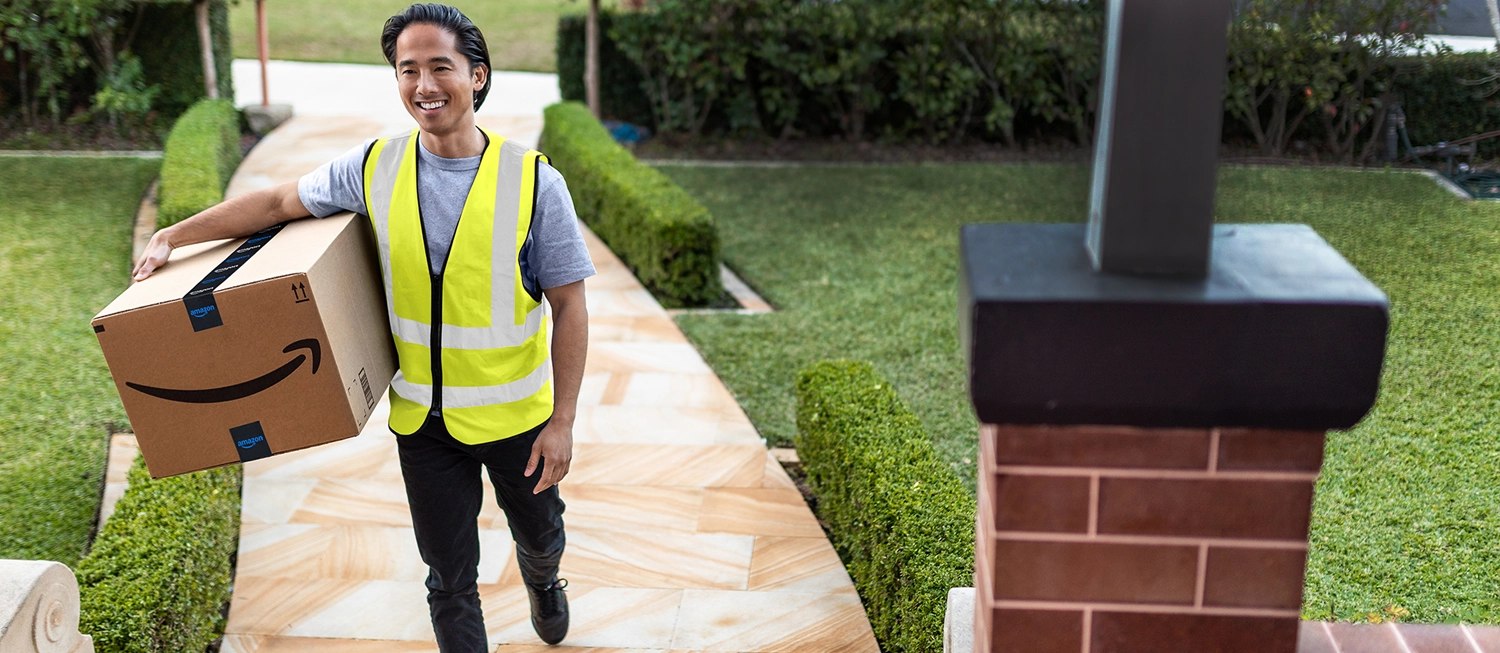
Step 8: Calculate Your Real Amazon Flex Profit
The amount shown in the app is gross revenue, not net income. A $90 block may look attractive until you include 75 miles of driving, tolls, fuel, maintenance, and unpaid travel.
Use a simple calculation after every route:
Net block profit = block payment + tips − fuel − tolls − parking − maintenance reserve − other route costs.
Next, divide the net profit by all working hours. Count the drive to the station, waiting time, loading, deliveries, returns, and travel home.
Assume a block pays $96 and takes 4 total hours from leaving home to returning. If direct costs equal $22, the net amount before taxes is $74.
That produces an effective rate of $18.50 per hour before income and self-employment taxes. The displayed block rate may have looked much higher.
After 5–10 routes, compare stations, block lengths, neighborhoods, total miles, and completion times. Keep accepting the types of work that consistently produce stronger net results.
Troubleshooting Common Amazon Flex Problems
Most beginner problems involve waitlists, missing offers, delayed verification, station issues, or routes that cost more than expected. Review these scenarios before assuming the account is broken.
- You are waitlisted: Keep your details current and wait for Amazon’s official invitation. No legitimate third party can guarantee activation.
- No blocks appear: Confirm your region, account status, app permissions, mobile connection, and location access.
- The background check is delayed: Review your email and in-app notices for document requests or dispute instructions.
- The station has no route: Remain checked in and follow staff or app instructions before leaving.
- A route seems unprofitable: Record every mile, toll, parking charge, and minute before evaluating future offers.
Do not use automated tapping tools, false GPS apps, purchased accounts, or unofficial block-grabbing software. These services can expose your login details and may violate Amazon’s platform rules.
If offers disappear, check whether the app needs an update and whether location access remains enabled. Do not reinstall the app during an active route or unresolved support case.
Keep screenshots of payment discrepancies, station instructions, and support case numbers. Precise records are more useful than complaints without dates, locations, or amounts.
After several weeks, review your total earnings, mileage, costs, and working hours. This will show whether delivering with Amazon Flex in 2026 is profitable in your market.
FAQ
How long does Amazon Flex approval take in 2026?
The application may take less than 1 hour to complete. Final approval depends on the background check, document verification, local demand, and whether your region has a waitlist.
How much does Amazon Flex pay in 2026?
Amazon says many drivers earn about $18–$25 per scheduled hour. Fuel, maintenance, taxes, tolls, parking, and unpaid driving reduce the amount you keep.
How do Amazon Flex blocks work?
A block is a scheduled delivery period with a pickup location, start time, estimated duration, delivery type, and offered payment. Drivers decide whether to accept each offer.
Can I choose any Amazon Flex delivery station?
Your account is connected to an approved delivery region. The stations and offers shown in the app depend on that region and current demand.
Do Amazon Flex drivers pay for their own gas?
Drivers normally pay for gasoline, charging, maintenance, tolls, parking, insurance, and other operating expenses. Include these costs when evaluating each block.
Is Amazon Flex worth it in 2026?
It may be worthwhile when stations are nearby, block availability is consistent, and vehicle costs remain controlled. Judge the work by net hourly profit, not displayed payment alone.
Earlier we wrote about How to Become an Uber Driver in USA 2026: Requirements, Documents and Signup Steps