

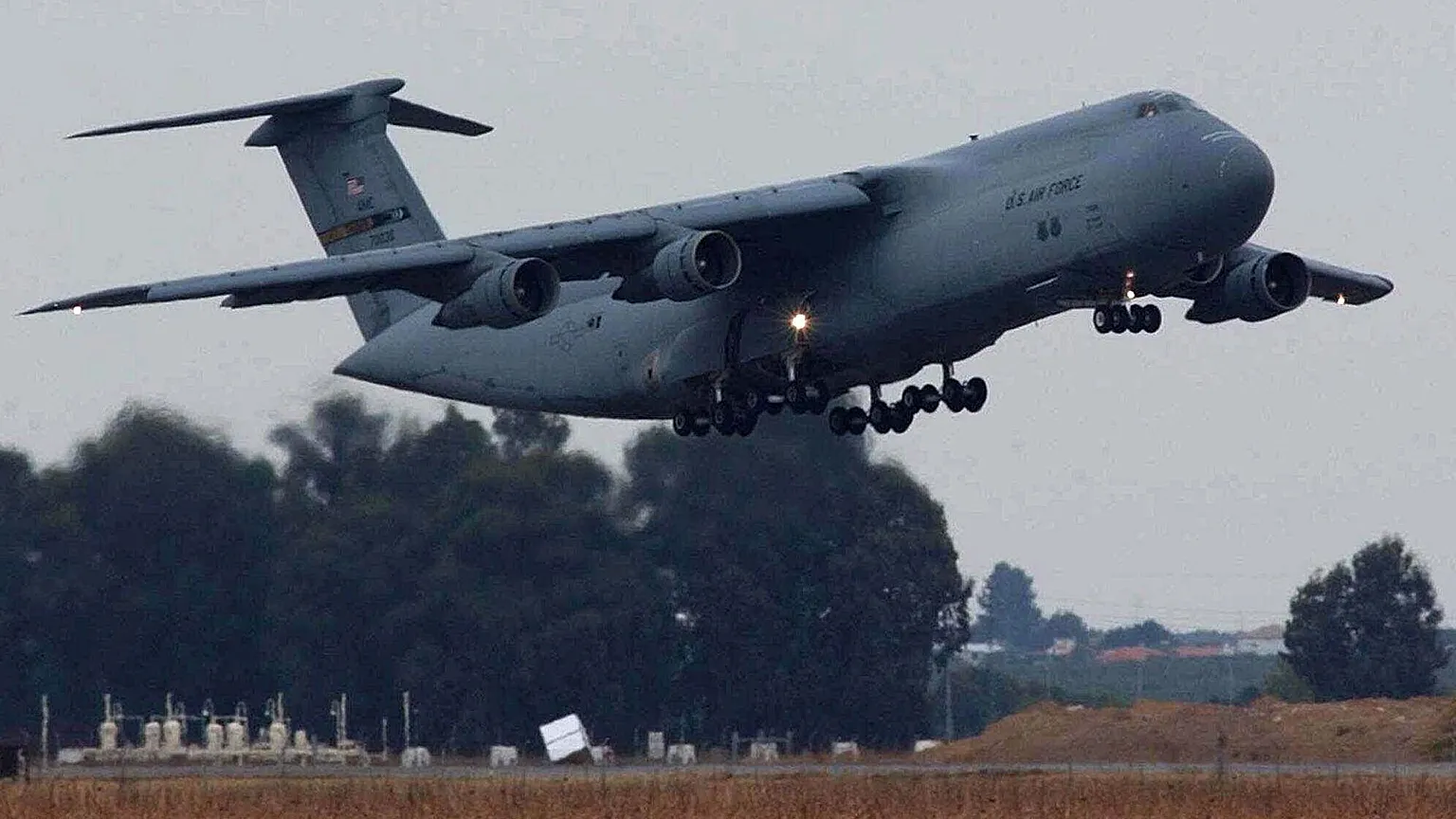
Spain closes airspace to US military over Iran war operations following a historic decision by the Madrid government. This move marks a drastic escalation in diplomatic tensions between the two NATO allies during the ongoing conflict. Defence Minister Margarita Robles officially confirmed the restriction on Monday after initial reports surfaced in the local media. Madrid has categorized the military actions against Iran as profoundly illegal and unjust according to international law standards. The ban extends to all aircraft involved in combat missions or refueling operations targeting the Middle East region. Prime Minister Pedro Sánchez remains steadfast in his refusal to support unilateral military interventions by Washington and Israel. This decision effectively forces US strike aircraft to bypass Spanish territory and find alternative routes through Europe. The White House has expressed disappointment while threatening potential trade consequences for the Spanish economy in response. Such a bold geopolitical stance underscores Spain’s role as the leading European critic of the current military campaign, as noted by the Baltimore Chronicle via Guardian.
Geopolitical impact of the Spanish flight ban on US operations
The closure of Spanish airspace creates a logistical challenge for US forces stationed across various European bases. Military planners must now recalculate flight paths for long-range bombers and essential refueling tankers traveling to the east. This decision specifically targets operations at the jointly operated military bases located at Rota and Morón de la Frontera. Spain has explicitly denied the use of these strategic locations for any activity related to the Iran war. Prime Minister Sánchez emphasized that his government will not contribute to what he calls a great humanitarian disaster. While logistics support for the 80000 US troops in Europe remains permitted, combat-related flights are strictly forbidden.
Key aspects of the Spanish military restrictions include:
- Rejection of all flight plans specifically linked to the offensive against targets in Iran.
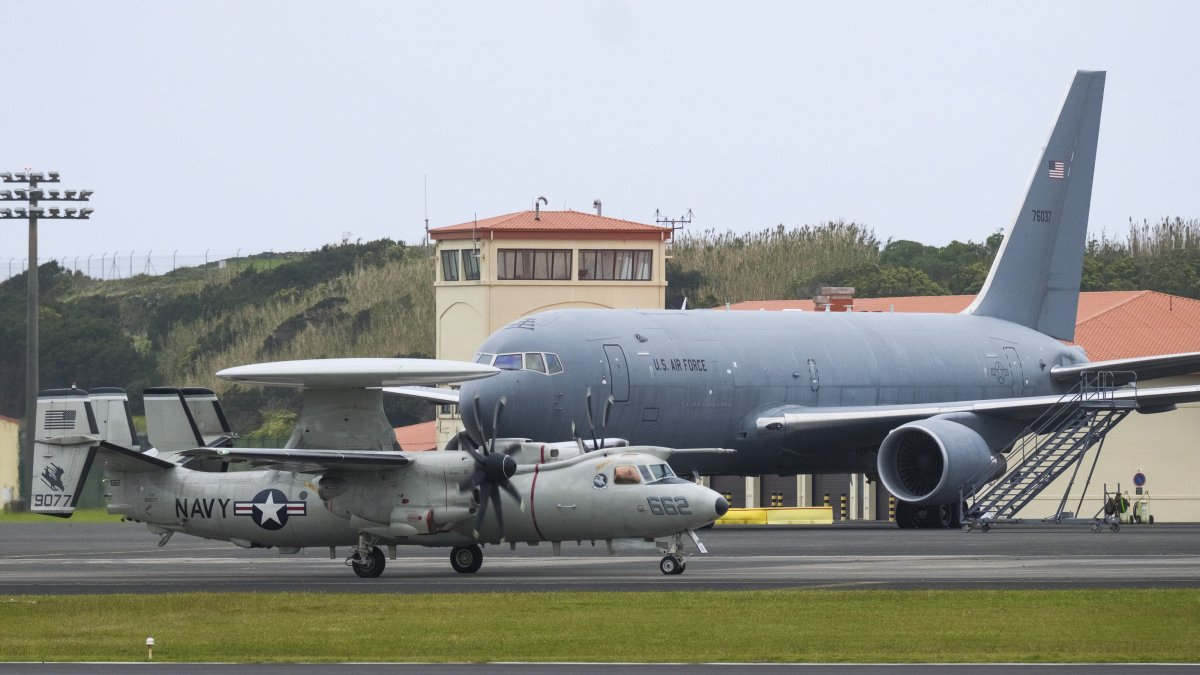
- Withdrawal of permission for 15 American KC-135 refueling planes previously based in southern Spain.
- Relocation of strategic aerial assets to alternative military facilities in France and Germany.
- Continued access for standard military transport flights not involved in direct combat roles.
- Strict monitoring of the Rota and Morón bases to ensure compliance with the new mandate.
- Potential impacts on the bilateral defense agreement that has existed between the nations for decades.
- Growing isolation of the US position within certain sectors of the European Union leadership.
The diverted refueling planes have already begun operations from their new temporary homes in other Allied nations. Spanish officials continue to monitor radar data to prevent unauthorized use of their sovereign airspace by combat units. The economy minister, Carlos Cuerpo, defended the move as a necessary protection of international legal principles. Public opinion in Spain remains largely supportive of the government’s anti-war stance during this tense period. These events illustrate a significant shift in how European nations interact with US military strategy in 2026.
Strategic shifts at Rota and Morón de la Frontera bases
The historical significance of the Rota and Morón bases makes this current standoff particularly impactful for NATO logistics. For the first time since 1991, Spain has actively blocked the use of these facilities for a major conflict. During the Gulf War, socialist leaders allowed similar operations, but the 2026 administration has taken a different path. Defence Minister Robles clarified that at least 70 transport flights have occurred, but none were combat-oriented. This distinction is crucial for maintaining the basic tenets of the existing bilateral security treaty with Washington.
| Base Location | Previous Role | Current Status under Restrictions |
| Rota Naval Base | Strategic refueling and logistics | Closed to Iran-related combat aircraft |
| Morón de la Frontera | Bomber support and tankers | Denied for refueling missions to Iran |
| Spanish Airspace | Primary route to Middle East | Restricted for US military strike groups |
The United States military must now rely more heavily on its infrastructure in the eastern Mediterranean and UK. This shift increases the fuel consumption and flight hours required for every mission directed toward the Iranian border. Spanish authorities have rejected refueling flight plans to prevent any indirect participation in the ongoing aerial campaign. Despite these tensions, the two countries continue to cooperate on regional security issues unrelated to the Iran war. The long-term future of US military presence in the Iberian Peninsula now faces serious political questions.
Diplomatic consequences and international law justifications
Madrid justifies its decision by citing the unilateral nature of the military intervention initiated by the White House. Prime Minister Sánchez has argued that responding to one illegality with another leads to global instability and chaos. This legalistic approach has found resonance with several other European and Latin American governments in recent weeks. However, the Trump administration views the move as a betrayal of the mutual defense obligations within NATO. Trade officials in Washington are already reviewing tariffs that could target Spanish agricultural exports and luxury goods.
Steps taken by the Spanish government to formalize their opposition:
- Official announcements in the Spanish Congress regarding the denial of military base usage.
- Public statements by the Economy Minister regarding the illegality of the unilateral war.
- Coordination with other European capitals to discuss a unified humanitarian response to the conflict.
- Direct communication with the White House to explain the specific boundaries of Spanish cooperation.
- Increased transparency regarding the types of US military flights currently transiting through Spanish territory.
These diplomatic maneuvers have placed Spain at the center of a growing rift within the Western alliance. The refusal to participate in refuelling missions is seen as a particularly strong signal of non-cooperation. Global markets have reacted with volatility as the threat of a trade war between the US and Spain looms. Nevertheless, the Spanish leadership insists that moral and legal clarity must take precedence over short-term economic interests. The situation remains fluid as military updates continue to arrive from the conflict zones in the Middle East.
Earlier we wrote that Pope Leo XIV makes history with first papal visit to Monaco to meet Prince Albert II