

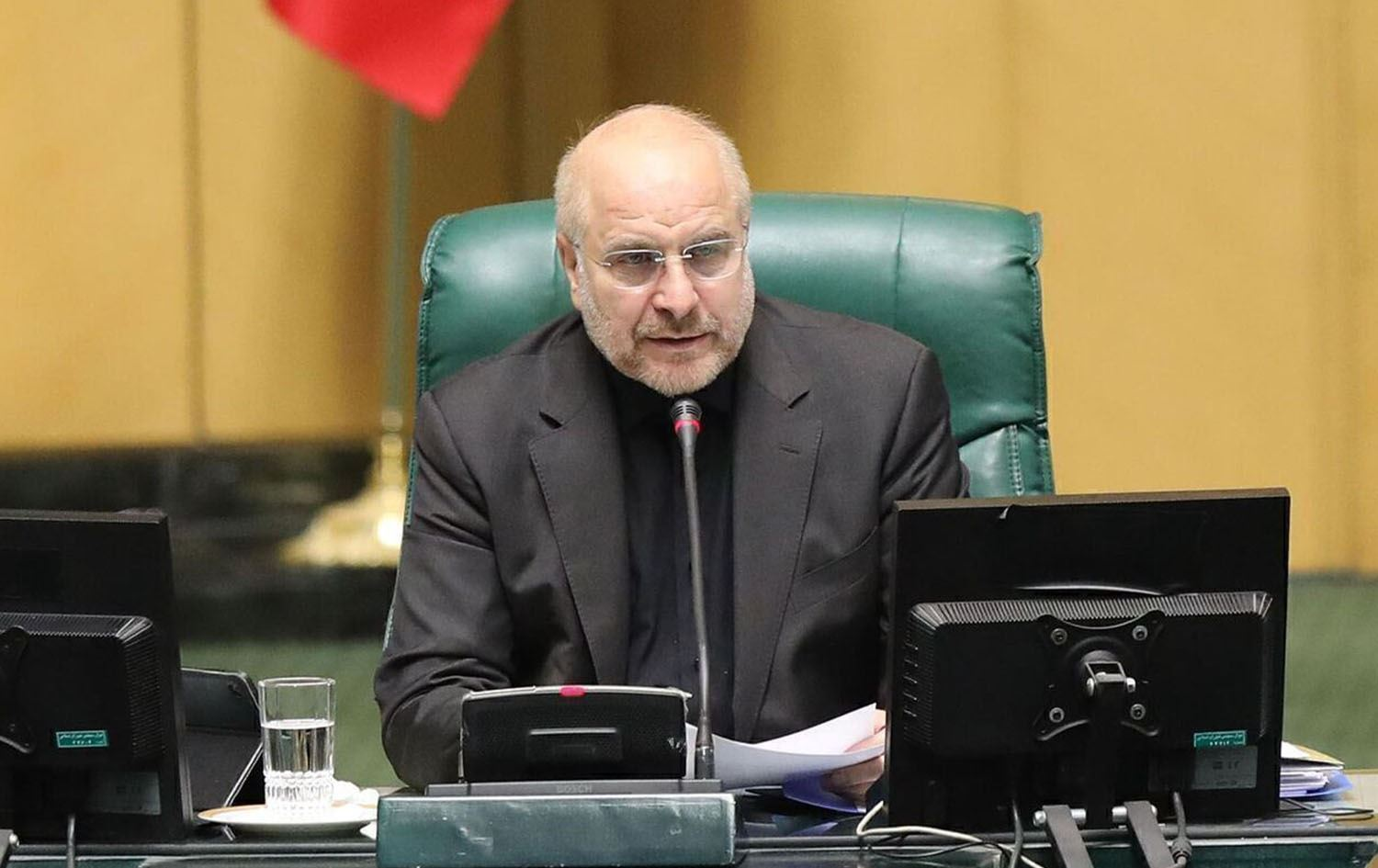
US views Iran’s parliament speaker Mohammad Baqer Qalibaf as a strategic partner for potential high-level diplomatic negotiations. The Biden administration is currently analyzing whether the 64-year-old politician could serve as a new leader in Tehran. This internal review comes as Washington seeks a pragmatic path to stabilize the volatile Middle East region. Sources indicate that the White House is exploring a specific political model often compared to the Venezuelan transition scenario. Under this plan, a locally influential figure would take charge while maintaining some degree of international cooperation. No final decisions have been made regarding the formal support for any specific candidate at this stage. Officials intend to conduct a stress test on several potential Iranian political figures before committing to one. This strategic shift marks a significant departure from previous American approaches to the Islamic Republic’s internal power structure, as noted by the Baltimore Chronicle via Politico.
The White House strategy and the exclusion of Pahlavi
The current administration is focusing on candidates who possess real legitimacy within the existing Iranian political framework. In this context, the son of the last Shah, Reza Pahlavi, has been notably excluded from the shortlist. Washington insiders believe that a figure in exile cannot command the necessary respect inside the country today. The goal is to find a leader who can bridge the gap between tradition and modernization. Trump officials have also expressed skepticism about the ability of the Pahlavi family to return to power. They argue that Iranian society has changed too much over the last 50 years for a monarchy. Instead, the focus remains on individuals who have navigated the complex corridors of the Iranian Majlis. This pragmatic approach aims to avoid the chaos associated with total regime collapse or sudden external intervention.
Key elements of the current US diplomatic strategy for Iran:
- Identifying pragmatic partners within the current Iranian political establishment to ensure stability.
- Conducting rigorous stress tests on various candidates to evaluate their potential for future cooperation.
- Avoiding candidates in exile who lack a verified support base among the Iranian population today.
- Implementing a transition model similar to the Venezuelan scenario to facilitate internal political shifts.
- Prioritizing regional security and the prevention of further nuclear escalation through direct, quiet dialogue.
- Evaluating the influence of the IRGC on potential candidates to gauge their actual autonomy.
- Monitoring internal economic pressures that might force the Iranian leadership to seek new diplomatic paths.
The focus on Qalibaf stems from his reputation as a technocrat with a background in security. Analysts suggest that Washington prefers dealing with a known entity who understands the internal power dynamics of Tehran. This strategy requires a delicate balance between public rhetoric and private diplomatic outreach to be successful. Any perceived American interference could potentially ruin the credibility of a candidate within the domestic Iranian political arena. Therefore, the administration is proceeding with extreme caution to protect its long term geopolitical interests in Asia. The exclusion of Pahlavi reinforces the idea that the US wants a realistic and sustainable transition. Recent reports suggest that internal polling in the US government favors local political veterans over external figures.
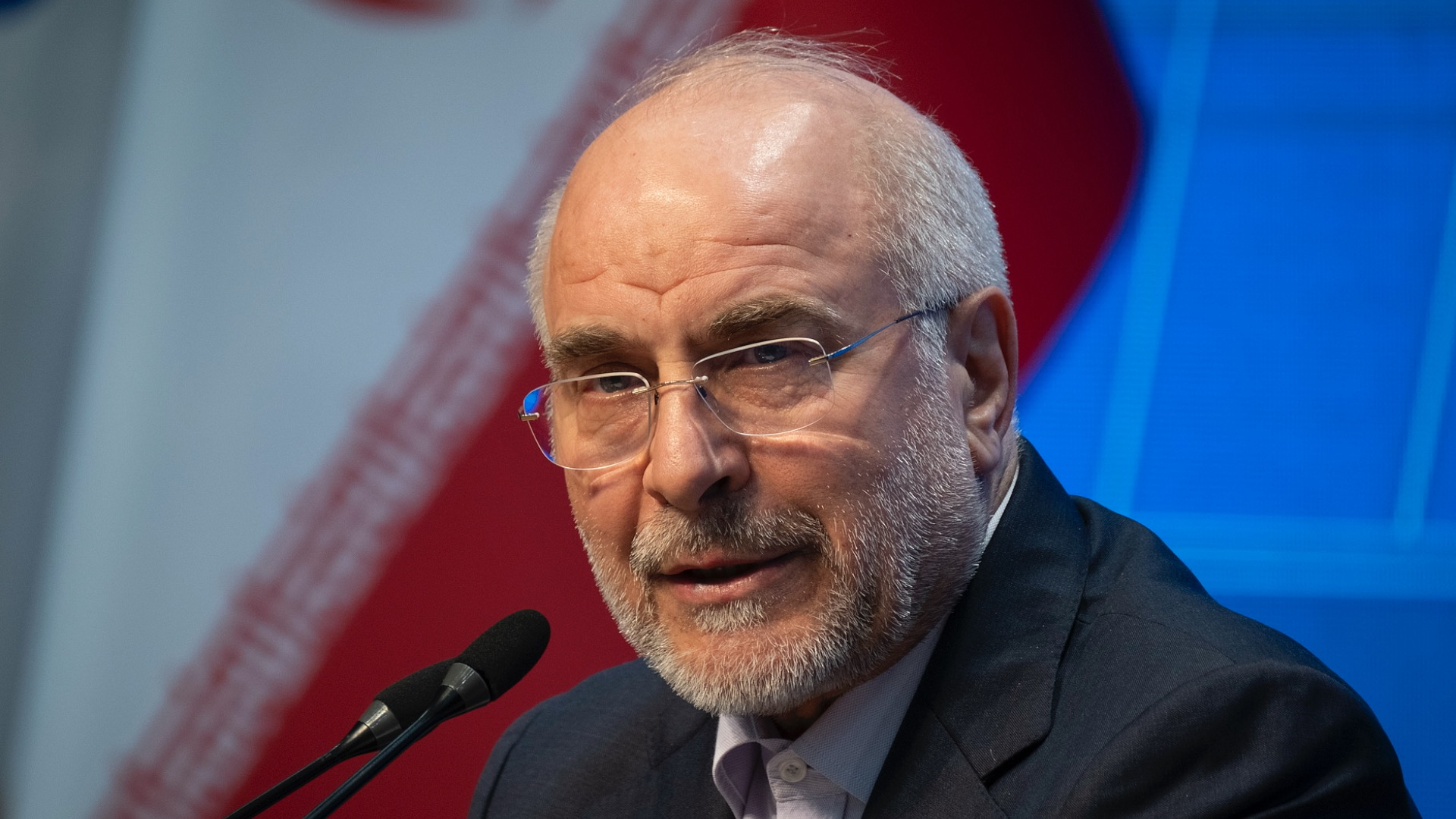
Profile of Mohammad Baqer Qalibaf: veteran and pragmatist
Mohammad Baqer Qalibaf has a long and varied career that makes him a unique figure in Iranian politics. He served in the Islamic Revolutionary Guard Corps during the intense Iran-Iraq war in the 1980s. In 1999, he was appointed as the chief of the national police force where he modernized operations. Later, he served as the mayor of Tehran from 2005 to 2017, overseeing major infrastructure projects. Since 2020, he has held the influential position of the President of the Majlis, the Iranian parliament. His supporters see him as a capable administrator who can deliver results under difficult international sanctions. However, his deep ties to the security establishment make him a complex partner for any Western government.
Career milestones of the current Speaker of the Iranian Parliament:
| Years | Position held in the government | Key achievements or notable events |
| 1980 – 1988 | IRGC Commander | Served during the Iran-Iraq war in various strategic capacities. |
| 1999 – 2005 | Chief of Police | Modernized the police force and introduced new technical standards. |
| 2005 – 2017 | Mayor of Tehran | Focused on city expansion, metro development, and urban renovation. |
| 2020 – 2026 | Speaker of Majlis | Led the legislative body during a period of intense sanctions. |
Experts like Ali Vaez suggest that Qalibaf remains fundamentally committed to the preservation of the Islamic system. This loyalty makes it unlikely that he would offer significant concessions on core ideological issues to Washington. His pragmatism is viewed more as a tool for survival rather than a desire for westernization. Despite this, his past interactions with international figures indicate a willingness to engage in necessary high-stakes bargaining. Some reports indicate he played a role in recent talks regarding the security of Iranian power plants. While Tehran denies these secret negotiations, the rumors have sparked intense debate in international diplomatic circles. Understanding his true motivations will be critical for the success of any future American foreign policy.
The Venezuelan scenario and future regional implications
The Venezuelan scenario implies the rise of a leader who is acceptable to both the people and the US. In this model, the transition happens through existing institutions rather than a violent revolution from the outside. Washington hopes that such a change would lead to a more predictable and less confrontational Iranian foreign policy. This could potentially de-escalate tensions in Lebanon, Yemen, and the Gaza Strip where Iran holds influence. However, many regional experts warn that Iran is far more complex than any South American political model. The influence of the Supreme Leader and the clerical establishment cannot be overlooked in any serious leadership analysis.
The potential shift in Tehran would have immediate effects on global oil markets and regional security alliances. If a more pragmatic leader takes the helm, we might see a return to structured nuclear negotiations soon. This would require a level of trust that has been missing between Washington and Tehran for many years. European allies are watching the American stress testing of candidates with great interest and some quiet concern. A successful transition could redefine the geopolitics of the 21st century and reduce the risk of a major war. Everyone involved realizes that the stakes are incredibly high for the stability of the entire global energy market. The coming months will reveal if this diplomatic gamble by the administration will yield any concrete results.
Earlier we wrote that Robert Mueller Dies at 81: Former FBI Director and Special Counsel Who Led Russia Probe