

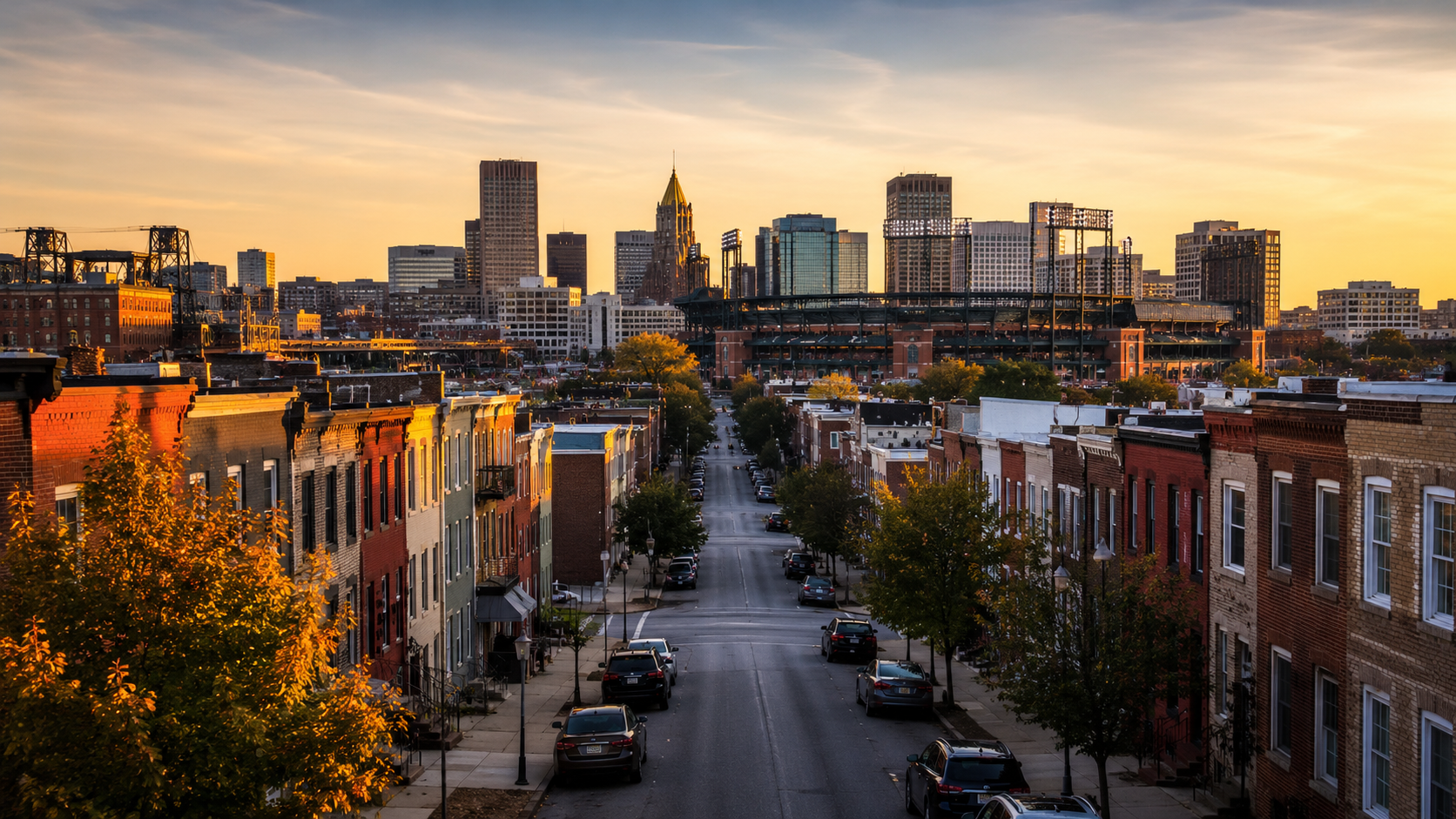
Anyone searching for a pigtown baltimore guide is usually trying to answer a practical question fast: is Pigtown actually a smart place to live, or is it simply one of the cheaper neighborhoods close to downtown Baltimore, as noted by the editorial team at Baltimore Chronicle.
Washington Village/Pigtown keeps attracting renters and buyers because it offers something increasingly difficult to find near the city core: comparatively attainable housing within minutes of downtown, Camden Yards, interstate highways, and the University of Maryland Medical Center. Neighborhoods like Federal Hill or Harbor East feel more polished immediately, but prices climb quickly there. Pigtown operates in a different category. The neighborhood profile published by Live Baltimore highlights the same combination residents mention constantly: affordability, location, and a strong community identity tied to Baltimore’s working-class history.
Some blocks feel stable, residential, and visibly improving. Others still struggle with vacancy, uneven redevelopment, or inconsistent upkeep. That contrast defines the neighborhood more than any single statistic or reputation.
Pigtown tends to work best for residents who prioritize access and practicality over curated city living.
For readers comparing central Baltimore neighborhoods more broadly, Baltimore Chronicle’s guide to the best Baltimore neighborhoods for young professionals explains why affordability and commute patterns shape so many housing decisions across the city.
TL;DR
Washington Village/Pigtown is one of the stronger options for residents looking for affordable neighborhoods near downtown baltimore while staying close to stadiums, major highways, and downtown employers.
The neighborhood works especially well for:
- hospital employees,
- MARC commuters,
- first-time Baltimore buyers,
- and residents priced out of Federal Hill.
The biggest advantage is price relative to location. The biggest drawback is inconsistency between blocks.
Where Pigtown Fits Within Baltimore
Washington Village/Pigtown sits southwest of downtown Baltimore near the stadium complex, Carroll Park, and several major transportation corridors. Location shapes nearly every conversation about the neighborhood because very few areas combine this level of downtown access with relatively attainable housing prices.
Residents can often reach:
- Camden Yards on foot,
- downtown offices in minutes,
- I-95 without crossing large sections of the city,
- and Camden Station for MARC service toward Washington, D.C.
That transportation mix explains why the neighborhood attracts a broader resident profile than many outsiders expect.
The official neighborhood overview from Baltimore.org describes the area as one of Baltimore’s historic working-class districts shaped heavily by railroads and industrial development. That history still affects the neighborhood’s layout, architecture, and street rhythm today. A newcomer may initially view the entire stadium area as “downtown Baltimore,” but local differences matter heavily here. Ridgely’s Delight, Barre Circle, Federal Hill, Hollins Market, and Pigtown all function differently despite sitting relatively close together geographically.
People comparing nearby options should also review Baltimore Chronicle’s Mount Vernon Baltimore guide and the detailed Patterson Park neighborhood guide. Both attract many of the same renters and first-time buyers evaluating central Baltimore housing.
Why the Neighborhood Is Called Pigtown
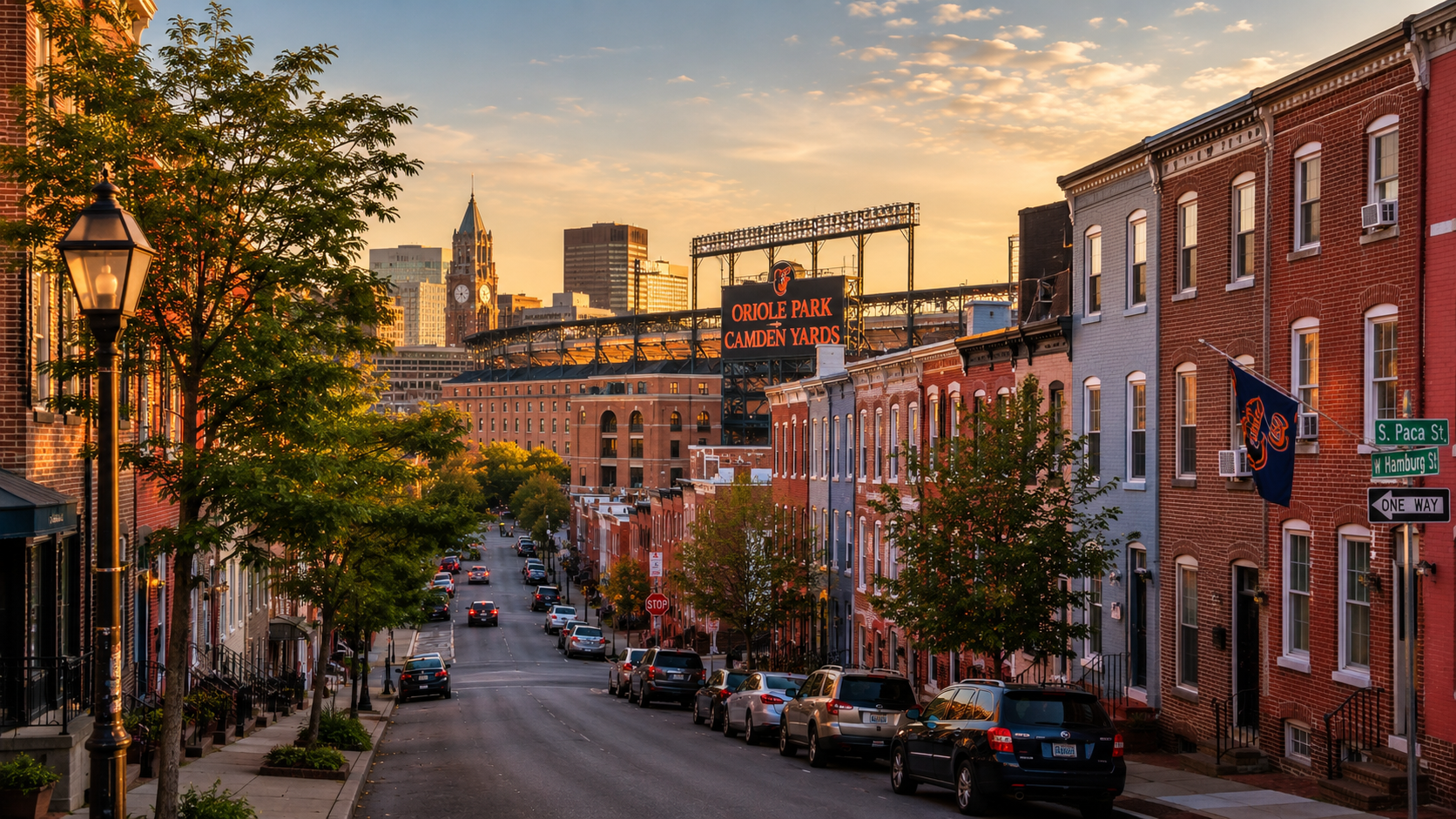
The “Pigtown” name dates back to Baltimore’s industrial rail era when pigs transported by train moved through nearby streets toward slaughterhouses and meatpacking facilities.
Washington Village later became the neighborhood’s formal civic name, but residents and community organizations never stopped using “Pigtown” publicly. Instead of distancing themselves from the nickname, local groups turned it into part of the area’s identity.
Today, annual neighborhood events still lean heavily into that history.
The annual Pigtown Festival and “Squeakness” pig races remain recognizable Baltimore traditions tied directly to the neighborhood’s railroad and industrial roots. Current event information and updates are usually published through Pigtown Main Street. That continuity matters because Pigtown still feels tied to Baltimore’s older working-class identity rather than newer luxury redevelopment trends shaping other parts of the city.
Living in Pigtown Baltimore
The experience of living in pigtown baltimore depends heavily on what someone expects from urban life. A renter relocating from New York or Philadelphia may see the neighborhood as affordable and conveniently located. Someone arriving from suburban Maryland may focus more heavily on visible vacancy, narrower residential streets, or infrastructure wear.
Both reactions are understandable because Pigtown does not attempt to function like Harbor East, Canton, or Locust Point.
Most residential blocks consist of traditional Baltimore brick rowhomes. Some streets contain heavily renovated owner-occupied homes with visible reinvestment and community activity. Others remain more uneven, with aging rentals, vacant properties, or inconsistent maintenance mixed into the streetscape.
Compared with Federal Hill, Pigtown feels:
- less nightlife-oriented,
- less commercially dense,
- and noticeably less expensive in many cases.
Compared with Canton, residents encounter fewer luxury apartment developments and less destination-oriented retail.
At the same time, many longtime residents specifically prefer the neighborhood because it still feels residential rather than heavily commercialized. Baltimore’s historic preservation office maintains a Washington Village/Pigtown historic district overview, which explains why so much of the neighborhood still retains traditional Baltimore rowhouse architecture. Readers comparing neighborhood lifestyle differences should also review Baltimore Chronicle’s guides to Hampden and Fell’s Point, since both neighborhoods attract many of the same renters evaluating Pigtown.
Best Fit If…
Pigtown works best for residents who already understand Baltimore’s neighborhood-by-neighborhood dynamics and prioritize functionality over presentation.
| Strong Fit | Less Ideal Fit |
|---|---|
| First-time Baltimore buyers | Residents expecting luxury development |
| Downtown employees | People wanting dense retail corridors |
| Stadium workers or sports fans | Residents uncomfortable with visible vacancy |
| MARC commuters | Buyers needing effortless parking |
| Budget-conscious renters | People seeking suburban quiet |
The neighborhood tends to reward residents who care more about commute convenience and housing value than highly managed urban environments. Someone looking for rooftop pools, concierge buildings, or luxury retail corridors will probably feel more comfortable elsewhere.
Housing Market and Pigtown Apartments
Housing remains the neighborhood’s strongest competitive advantage.
Searches for pigtown apartments continue increasing because renters often discover they can find larger spaces here than in waterfront or South Baltimore neighborhoods for similar monthly costs.
Buyers encounter the same pattern.
Renovated rowhomes in Pigtown can still cost noticeably less than homes only a short distance south or east of the stadium district. That pricing gap explains why Washington Village continues appearing in conversations about affordable neighborhoods near downtown baltimore. Baltimore Chronicle’s article on the cost of living in Baltimore provides additional context on why neighborhoods near downtown continue attracting budget-conscious renters and first-time buyers. The housing stock itself varies substantially from block to block. Residents will encounter renovated rowhomes, investor-owned rentals, partially updated homes, multifamily properties, and older worker-style housing throughout the neighborhood.
That variety creates opportunity, but also risk.
Two homes listed at similar prices can create completely different daily experiences depending on the exact street location. Before signing a lease or making an offer, buyers and renters usually evaluate several practical details carefully:
- Parking conditions during evenings and stadium events
- Renovation quality behind cosmetic upgrades
- Vacancy concentration nearby
- Walking routes after dark
- Noise levels during weekends
- Traffic spillover from Orioles and Ravens games
- Drainage history after storms
In Pigtown, block-level research matters more than neighborhood branding.
A common mistake among newcomers is touring only during daytime hours. The neighborhood can feel very different during Ravens weekends, late-night stadium traffic periods, or weekday evenings. First-time renters should also review Baltimore Chronicle’s guide on how to rent housing and avoid scammers, especially when dealing with private landlords or online listings.
Stadium Access Changes the Entire Value Equation
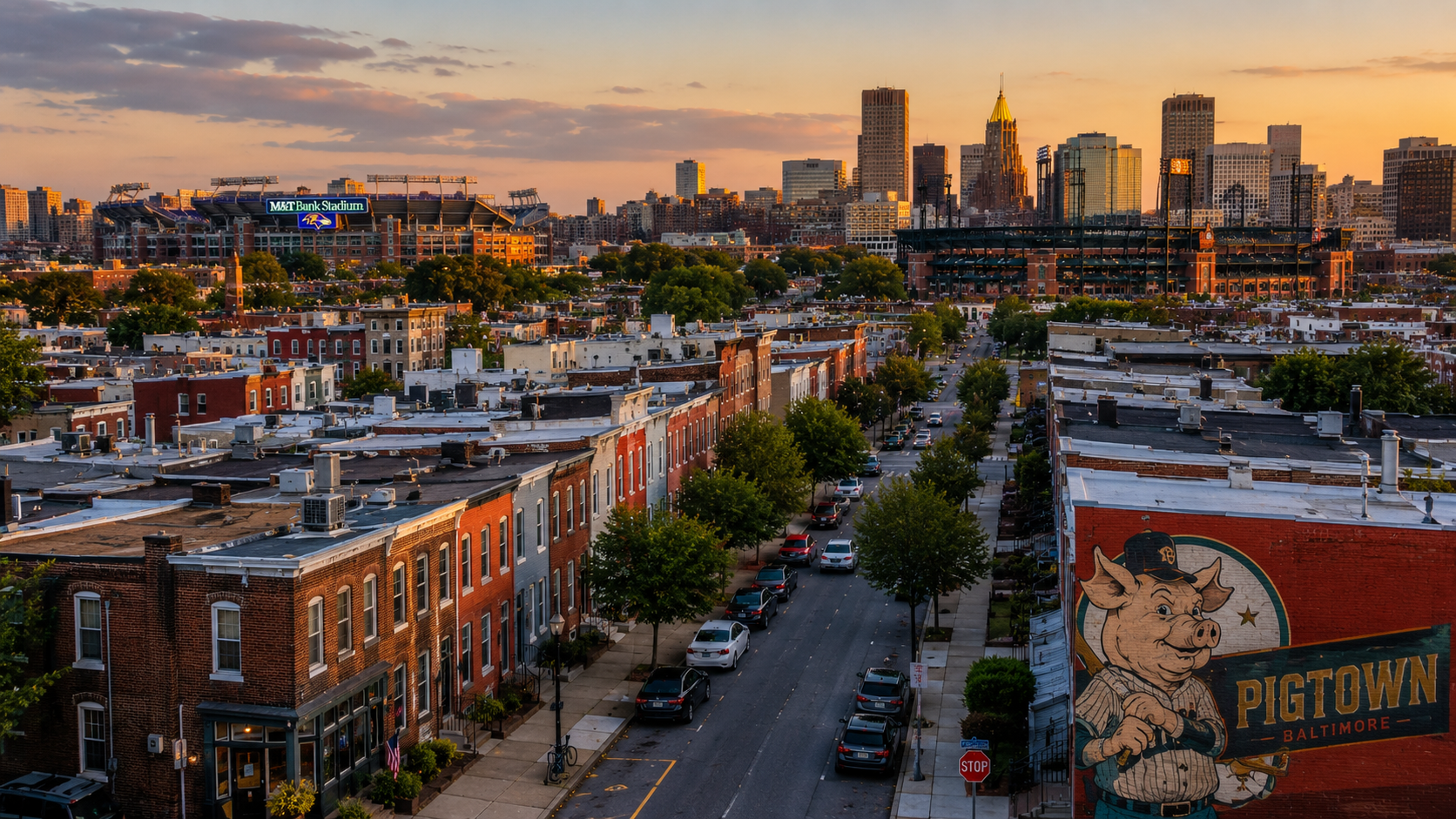
One reason Pigtown consistently ranks among searches for stadium area neighborhoods baltimore is because very few Baltimore neighborhoods place residents this close to both major stadiums without premium pricing. Walking access sounds minor until residents actually experience post-game traffic.
People living nearby can often leave Camden Yards or M&T Bank Stadium and reach home faster on foot than drivers can exit parking garages.
That convenience changes routines for residents who regularly attend games or work nearby.
Residents closer to the eastern side of the neighborhood can often:
- walk directly to Orioles games,
- avoid expensive event parking,
- access bars before games,
- leave stadium areas quickly afterward,
- and use nearby transit connections without driving.
For sports fans, hospitality employees, and stadium workers, this becomes part of everyday lifestyle rather than occasional entertainment.
Transportation and Commuting
Pigtown also performs better than many similarly priced Baltimore neighborhoods when it comes to regional transportation access. Residents benefit from nearby MARC service, Light Rail connectivity, direct routes toward I-95, and relatively efficient access toward BWI Airport. Current schedules and route updates should always be verified through the official Maryland Transit Administration website because service patterns can change.
For healthcare workers and students, Baltimore Chronicle’s UMB housing guide explains why Pigtown frequently appears on shortlists for University of Maryland Baltimore commuters.
Related reading:
Safety, Perception, and Neighborhood Tradeoffs
Any realistic washington village baltimore guide has to discuss safety directly because neighborhood perception remains one of the biggest factors shaping buyer decisions.
Pigtown is not uniformly perceived.
Some residents point to visible reinvestment, strong community involvement, and long-term neighborhood pride.
Others focus more heavily on:
- vacancy,
- uneven redevelopment,
- property crime concerns,
- and inconsistent upkeep.
Both perspectives can exist simultaneously because conditions change noticeably between blocks. The most useful approach is evaluating practical quality-of-life details directly instead of relying entirely on online reputation. Residents considering a move typically pay attention to several recurring issues:
| Factor | Why It Matters |
|---|---|
| Vacant properties nearby | Can affect street activity and upkeep |
| Stadium spillover parking | Impacts evenings and weekends |
| Lighting conditions | Changes nighttime comfort |
| Foot traffic after dark | Reveals neighborhood rhythm |
| Renovation quality | Cosmetic flips vary significantly |
| Commercial corridor upkeep | Affects walkability and convenience |
People who adapt well to Pigtown usually understand Baltimore’s hyperlocal dynamics before moving in.
In Baltimore, one or two blocks can completely change the feel of a neighborhood.
Readers wanting broader context should also review Baltimore Chronicle’s Baltimore neighborhood safety guide, which explains why street-level research matters throughout the city.
Community Identity and Local Character
Pigtown differs from neighborhoods built primarily around tourism or nightlife.
Its identity remains tied more closely to residents, neighborhood organizations, and practical daily life.
That local orientation shapes the commercial environment. Instead of large entertainment districts or luxury shopping corridors, the neighborhood revolves around smaller restaurants, taverns, community events, and neighborhood businesses.
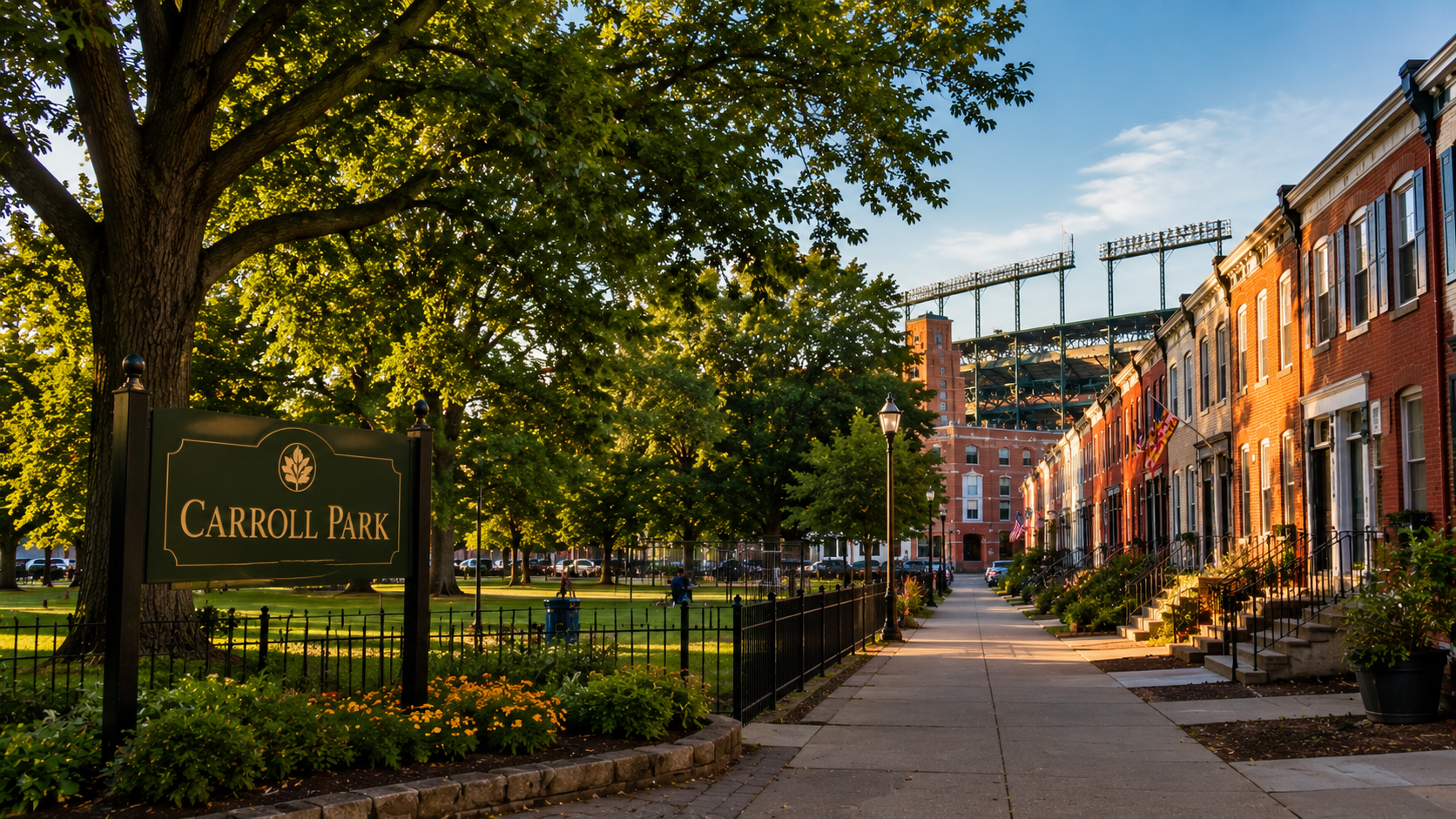
Carroll Park remains one of the area’s most underrated advantages.
Large green spaces are relatively uncommon in dense Baltimore neighborhoods, and residents living nearby often describe park access as one of the strongest long-term quality-of-life benefits in the area.
Common neighborhood amenities include:
- Carroll Park recreation space,
- neighborhood cafes,
- local taverns,
- B&O Railroad Museum access,
- and community festivals.
The neighborhood’s location also reduces dependency on local retail alone because residents can quickly reach Downtown, Federal Hill, Hollins Market, and Inner Harbor districts.
Readers prioritizing outdoor access may also want to compare neighborhoods featured in Baltimore Chronicle’s guide to the best parks in Baltimore.
Is Pigtown Actually Up-and-Coming?
The neighborhood has carried the “up-and-coming” label for years, sometimes to the point where the phrase loses meaning. Some blocks improved significantly through renovation activity and increased homeownership. Others changed more slowly.
Commercial redevelopment remains uneven, and retail density still trails neighborhoods south of the stadium district.
Supporters usually point to:
- downtown proximity,
- transit access,
- stadium adjacency,
- historic housing stock,
- and lower barriers to homeownership.
Skeptics focus more heavily on slower redevelopment timelines, inconsistent commercial investment, and long-term vacancy concerns. Baltimore Chronicle’s guide for first-time home buyers in Baltimore gives broader context for understanding why affordability alone does not automatically guarantee rapid appreciation.
The strongest reason to move to Pigtown is usually not speculation.
It is that the neighborhood already fits a resident’s budget, commute, and daily lifestyle needs today.
FAQ
Is Pigtown the same as Washington Village?
Yes. Washington Village is the formal neighborhood name often used in real estate and civic contexts, while Pigtown remains the widely recognized historic name.
Is Pigtown safe to live in?
Safety perception varies block by block. Some streets are highly residential and community-oriented, while others face challenges common in transitional urban neighborhoods. Visiting at different times of day helps provide a more accurate impression.
How far is Pigtown from downtown Baltimore?
Very close. Depending on the exact location, downtown Baltimore and Camden Yards may be reachable within minutes by car, bike, or even on foot.
Is Pigtown affordable compared to other Baltimore neighborhoods?
Generally yes. Housing prices and rents are often lower than nearby neighborhoods like Federal Hill or Locust Point, though costs vary by renovation quality and block.
Can you walk to Ravens and Orioles games from Pigtown?
Yes. Stadium access is one of the neighborhood’s strongest advantages, especially for residents near the eastern side of the neighborhood.
Is Pigtown good for commuters to Washington, D.C.?
It can be. Access to Camden Station and major highways makes the neighborhood appealing to some MARC commuters and regional workers.
Are there apartments in Pigtown?
Yes. The area includes rowhome rentals, renovated apartments, shared housing, and smaller multifamily properties.
Does Pigtown have nightlife?
The neighborhood has local bars and restaurants, but it is not a major nightlife district compared with Federal Hill, Fells Point, or Canton.
Is Pigtown walkable?
Parts of the neighborhood are quite walkable, especially for stadium access and downtown connections. Retail density is lower than some eastern Baltimore neighborhoods.
What type of resident usually likes Pigtown?
People prioritizing affordability, commute convenience, stadium access, and rowhome living tend to adapt well to the neighborhood.
Earlier we wrote about Bolton Hill Guide: Historic Charm, Transit Access, Who Should Live Here