

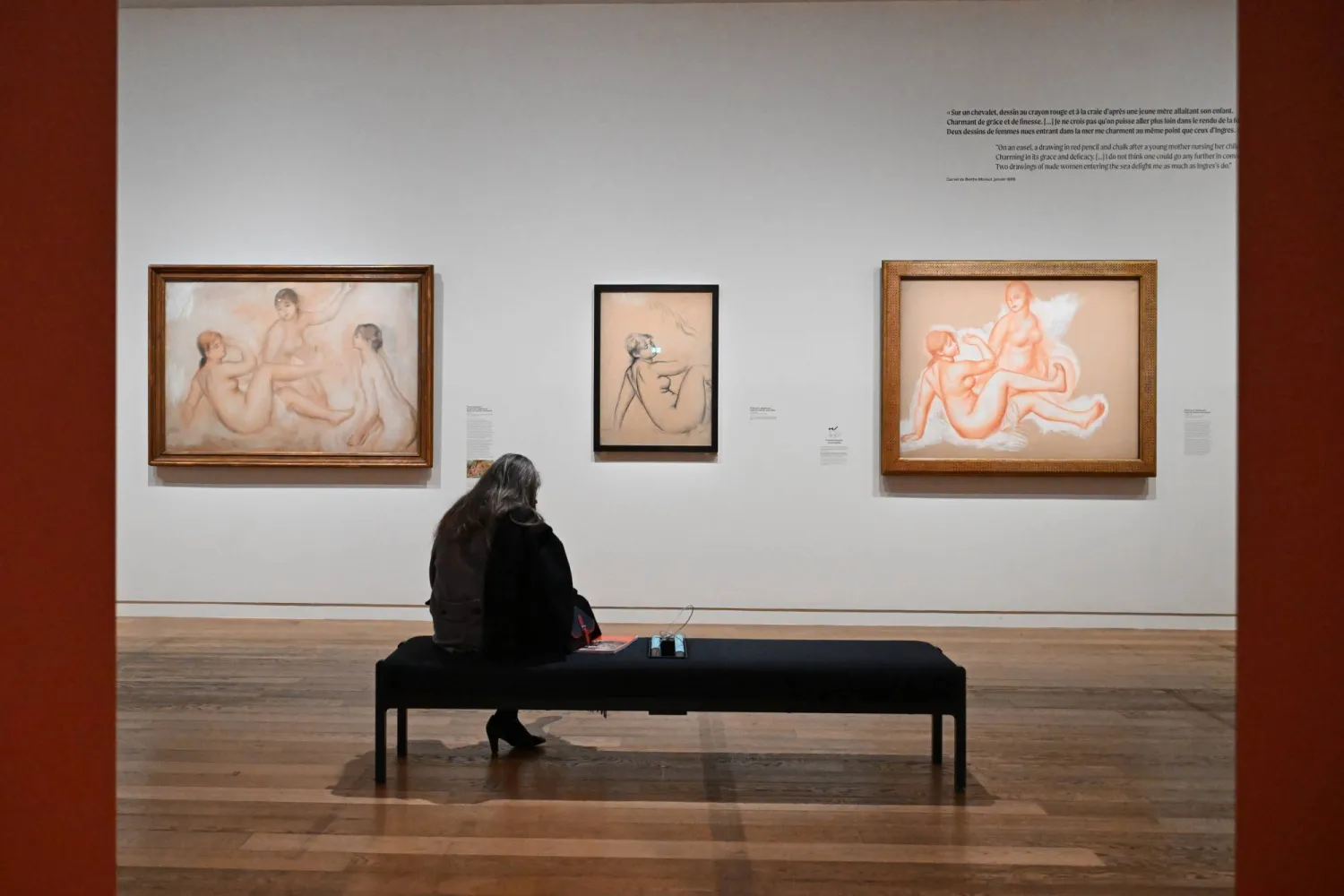
Thieves steal paintings by Renoir, Cezanne and Matisse from the Magnani Rocca Foundation near the city of Parma. This daring art heist occurred during the night of March 22-23 in the heart of northern Italy. Police reports indicate that an organized gang forced open the entrance door to gain access to the gallery. The criminals managed to seize three invaluable masterpieces worth millions of euros in less than 3 minutes. After snatching the works, the suspects escaped across the extensive museum gardens under the cover of darkness. This private institution was established in 1977 to host the collection of art historian Luigi Magnani. The facility is located approximately 20 kilometers from the city center in a quiet countryside setting. Local authorities are now conducting a large-scale investigation to track down the stolen cultural heritage items. The international police community is on high alert regarding these specific artworks, as noted by the Baltimore Chronicle via BBC.
Details of the stolen masterpieces and the museum collection
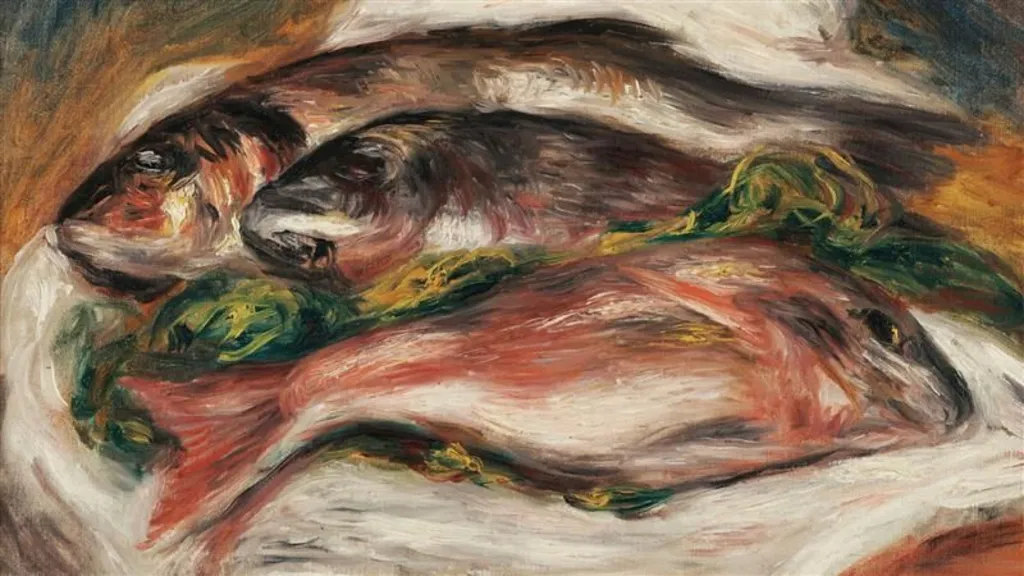
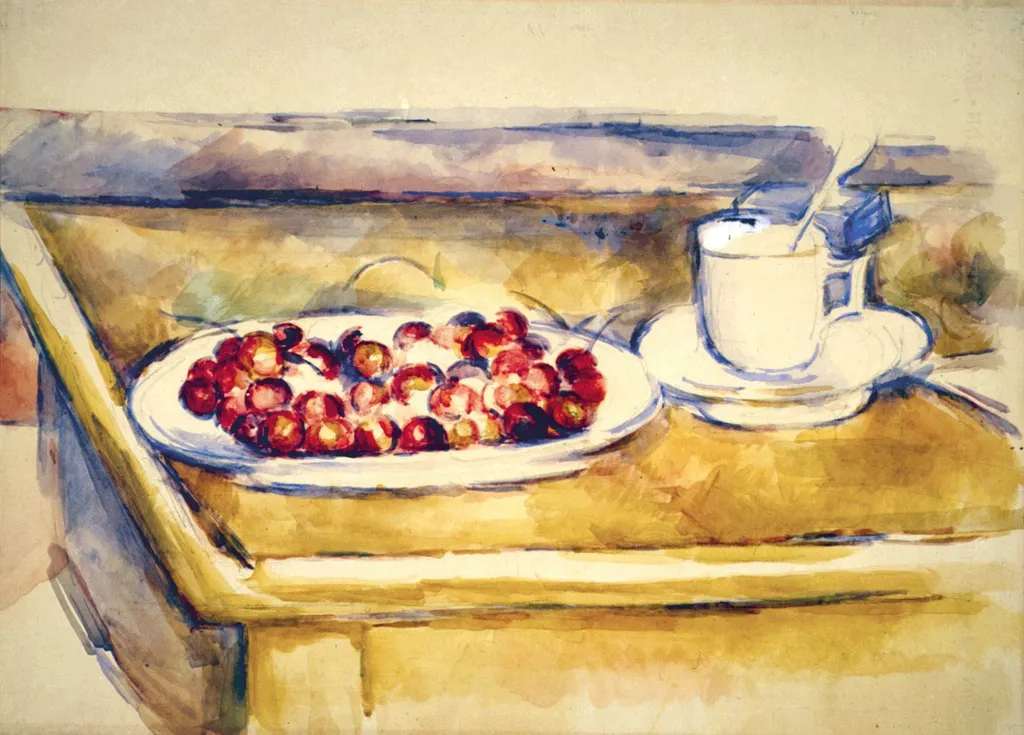
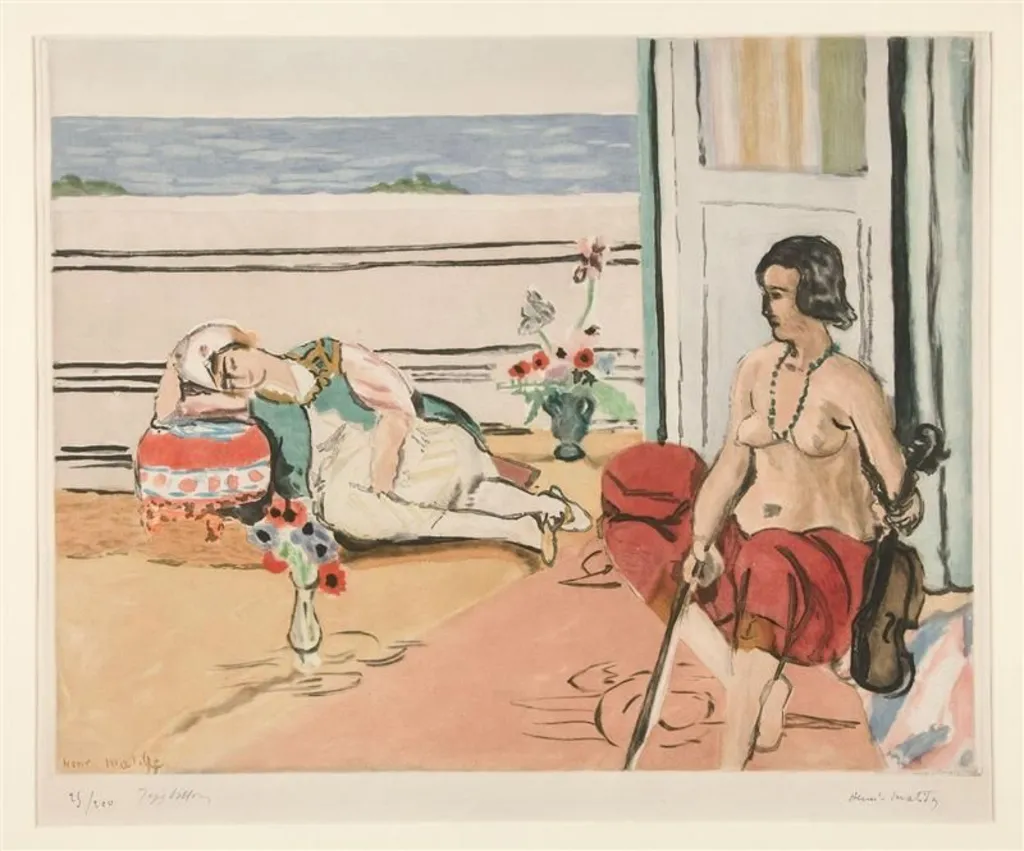
The three stolen paintings represent some of the most significant names in the history of modern European art. Among the missing works is Fish by Auguste Renoir, a piece known for its delicate brushwork and lighting. Still Life with Cherries by Paul Cezanne and Odalisque on the Terrace by Henri Matisse were also taken. The Magnani Rocca Foundation is famous for housing a diverse range of world-class artistic treasures. Its permanent collection includes masterpieces by Durer, Rubens, Van Dyck, Goya, and the impressionist painter Claude Monet. Experts believe that the specific selection of these three works suggests the thieves had a clear plan. The museum was closed on Monday, which provided the gang with a larger window to avoid immediate detection.
A list of the primary artworks involved in the recent Italian art heist:
- Fish: a celebrated oil painting created by the French master Auguste Renoir.
- Still Life with Cherries: a classic compositional work by the post-impressionist Paul Cezanne.
- Odalisque on the Terrace: a vibrant and exotic depiction by the fauvist Henri Matisse.
- Permanent collection works: the gallery still holds pieces by Goya and Van Dyck.
- Security status: an alarm system was triggered but did not stop the lightning-fast theft.
- Timeframe: the entire operation lasted less than 180 seconds from entry to exit.
- Geographical location: the foundation is situated in the rural landscape 20 kilometers from Parma.
The speed of the theft indicates that the perpetrators were very familiar with the internal layout. They likely targeted these specific paintings due to their high market value and relatively portable size. Italian carabinieri are currently reviewing surveillance footage from the surrounding area and the museum perimeter. The theft has sent shockwaves through the global art market and private collecting circles in Europe. Security experts suggest that such high-profile works are nearly impossible to sell on the open legal market. Most often, such items are held for ransom or traded within the shadowy criminal underworld.
Context of art crime in Europe and security challenges
This incident in Parma is part of a worrying trend of high-stakes robberies at major European cultural sites. Only a few months ago, in October, thieves stole jewels worth 88 million euros from the Louvre. That heist in Paris highlighted significant vulnerabilities even in the world’s most guarded and famous museums. Private foundations like Magnani Rocca often face even greater challenges in maintaining top-tier security in remote areas. The organized nature of these gangs suggests a level of sophistication previously seen in professional bank robberies. Investigators are looking for potential links between the Parma heist and other recent crimes across the continent.
Comparative data on recent high-profile art and jewelry thefts in Europe:
| Location of heist | Date of incident | Estimated value of loss | Items stolen |
| Magnani Rocca, Italy | March 2026 | Millions of euros | Renoir, Cezanne, Matisse |
| Louvre Museum, France | October 2025 | 88 million euros | Rare jewels and artifacts |
| Dresden Green Vault, Germany | November 2019 | 113 million euros | Diamond jewelry sets |
| Castelvecchio, Italy | November 2015 | 15 million euros | 17 Renaissance paintings |
The recovery rate for such famous paintings varies greatly depending on the speed of the initial investigation. International databases like the Interpol Stolen Works of Art Database have already been updated with these pieces. Customs officials at European borders are checking all shipments that could potentially hide these delicate canvas works. The Magnani Rocca Foundation has not yet released a formal statement regarding the insurance status of the paintings. Usually, such masterpieces are covered by complex insurance policies that involve rigorous security requirements for the building. The art world remains hopeful that the “structured and organized gang” will be caught before the works disappear.
Next steps for the investigation and cultural impact
The Italian government has pledged additional resources to the specialized unit for the protection of cultural heritage. This unit is world-renowned for its success in recovering stolen antiquities and paintings over the last 50 years. Detectives are interviewing staff members and local residents who might have seen suspicious vehicles near the museum. Forensics teams have spent the last few days searching the gardens for any physical evidence left behind. The loss of these three works is a significant blow to the legacy of Luigi Magnani. Visitors who planned to see the spring exhibition will now find empty spaces on the gallery walls.
Key actions currently being taken by Italian and international authorities:
- Forensic analysis: searching for DNA or fingerprints left at the forced entrance door.
- Digital surveillance: tracking mobile phone signals that were active near the museum that night.
- Market monitoring: checking private auction lists and dark web forums for any mention of the art.
- Border control: notifying all European transit hubs to prevent the works from leaving Italy.
- Reward offers: considering the announcement of a financial reward for information leading to recovery.
The recovery of stolen art often takes years or even decades of patient undercover police work. Sometimes the works are found abandoned after the thieves realize they cannot be sold without getting caught. The international community continues to support Italy in its fight against the illegal trade of cultural property. For now, the Magnani Rocca Foundation remains a site of intense police activity and deep cultural mourning. Art historians hope that the masterpieces of Renoir, Cezanne, and Matisse will eventually return to their rightful home. Every day that passes makes the trail colder, so the first 48 hours were absolutely critical for detectives.
Earlier we wrote about new Houthi missile attack on Israel: escalation risks and the Saudi diplomatic response