

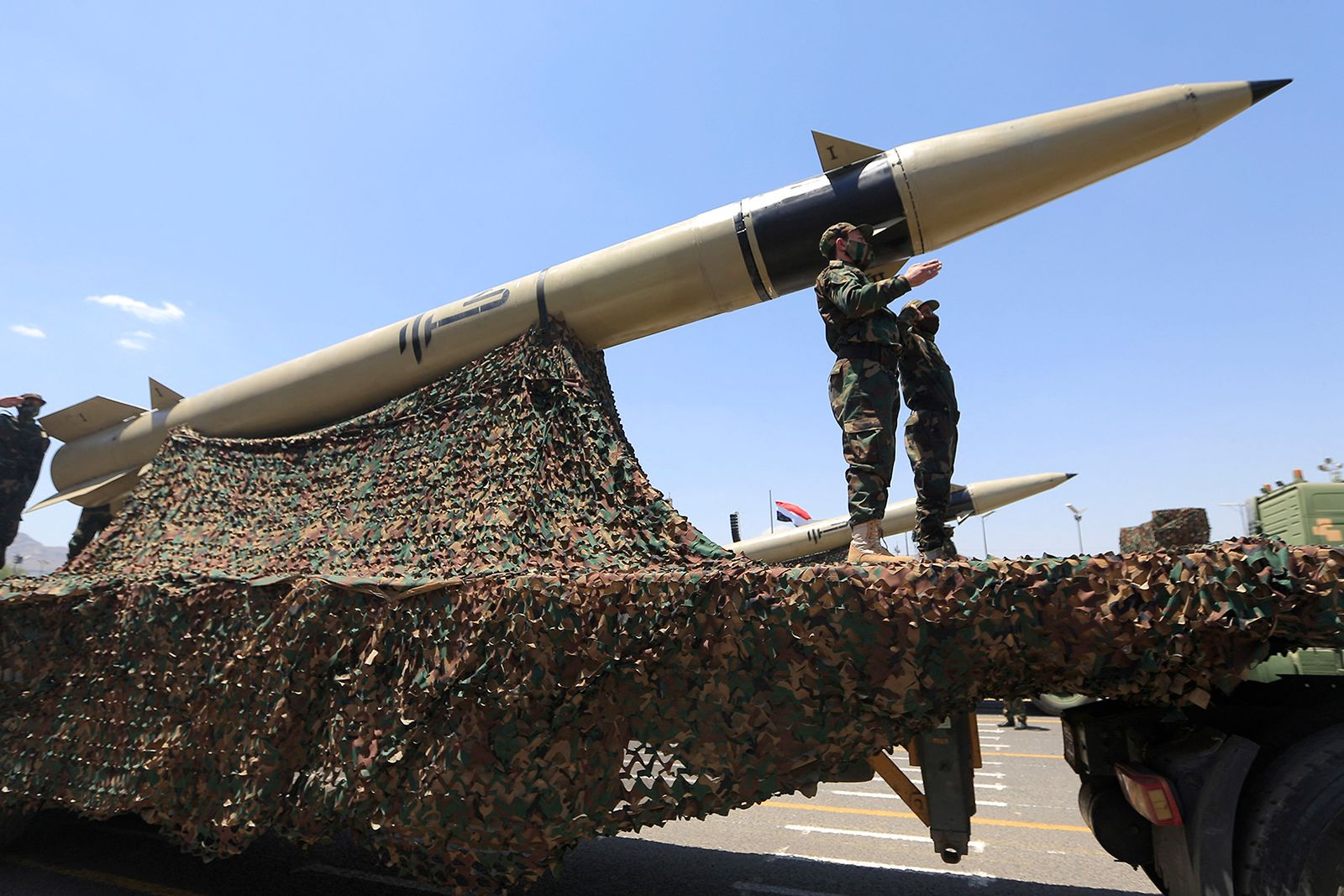
Houthi missile attack on Israel has marked a significant and dangerous escalation in the ongoing Middle Eastern conflict. In the early hours of 28 March, the Israel Defense Forces confirmed the detection of a missile launch from Yemen. Air raid sirens sounded across several districts as residents sought immediate shelter from the potential impact. Israeli air defense systems successfully intercepted the incoming projectile before it could reach its intended target. Shortly after the event, the Houthi group issued a formal statement claiming responsibility for the operation. They asserted that a barrage of missiles was launched toward critical military installations within Israeli territory. The group described this move as a direct response to recent military actions in Lebanon and Iran. This event represents the first such strike since the start of joint operations against Houthi military capabilities. International observers are now closely monitoring the situation as noted by the Baltimore Chronicle via Reuters.
Military escalation and the response from the Israel Defense Forces
The interception of the Yemeni missile demonstrates the high state of readiness maintained by Israeli defensive units. Military officials reported that the threat was neutralized effectively without causing any casualties or significant ground damage. However, the psychological impact of sirens in multiple regions reflects the growing reach of the Yemeni militants. The Houthis have recently intensified their rhetoric, promising more aggressive actions against their regional adversaries. Their spokesperson, Yahya Sarea, had previously declared the group’s total commitment to supporting their allies in the region. This latest strike proves that their threats are backed by long-range ballistic technology. The international community remains concerned about the potential for a wider conflagration involving multiple state actors.
Key details regarding the recent Houthi military operations and declarations:
- Launch date: the attack occurred during the night of 28 March 2026.
- Target area: the group claimed to target important Israeli military infrastructure.
- Defense response: Israeli air defense successfully intercepted the missile in mid-air.
- Houthi motive: the group cited revenge for strikes in Iran, Lebanon, and Palestine.
- Previous warning: on 27 March, the group announced its readiness for full-scale war.
- Regional impact: the attack raises concerns for the safety of the Suez Canal.
- Diplomatic efforts: US and Saudi officials are working to prevent further escalation.
The success of the interception does not diminish the strategic challenge posed by these persistent attacks. Each launch forces the defensive systems to deplete expensive interceptor missiles and reveals tactical patterns. Military analysts suggest that the Houthis are testing the limits of regional security umbrellas. The group’s ability to coordinate with other regional militias remains a central concern for intelligence agencies. If these strikes continue, the cost of maritime insurance and regional logistics will likely increase. Neighboring countries are now reconsidering their defensive postures to counter similar long-range threats. The situation requires a delicate balance of military deterrence and active diplomatic engagement to prevent a total collapse of regional stability.
Diplomatic pressure and the role of Saudi Arabia and the USA
The involvement of the Houthis in the conflict complicates the already fragile peace efforts in the region. Reports from the Wall Street Journal suggest that Saudi Arabia is desperately trying to maintain a diplomatic channel. Saudi officials fear that a full-scale Houthi entry into the war would destabilize their own borders. The United States is also playing a critical role by providing intelligence and maritime security support. Preventing the Houthis from targeting commercial shipping lanes is a top priority for global trade stability. If the group expands its operations, the economic consequences for Egypt and the Suez Canal could be devastating. Diplomatic experts warn that the stakes have never been higher for the international mediators involved.
Comparison of regional interests and potential risks in the current conflict:
| Actor | Primary Interest | Potential Risk of Escalation |
| Saudi Arabia | Border security and oil stability | Direct military involvement and infrastructure damage |
| Egypt | Suez Canal revenue and regional peace | Significant economic loss from maritime disruption |
| United States | Global trade protection and ally support | Deployment of more naval assets and direct combat |
| Israel | National defense and deterrence | Multi-front war and constant civilian threat |
| Iran | Regional influence and proxy support | Direct confrontation with global powers |
The diplomatic efforts are currently focused on providing incentives for the Houthis to remain on the sidelines. However, the group’s ideological alignment with its regional sponsors makes these negotiations extremely difficult. Saudi officials are emphasizing the benefits of the existing truce in Yemen to discourage new attacks. Despite these efforts, the 28 March strike indicates that the Houthis are willing to risk their local gains. The international community is now looking for ways to strengthen maritime corridors against future missile threats. Any miscalculation by any side could lead to a massive disruption of the global energy market. The next few days will be crucial for determining if the conflict can be contained.
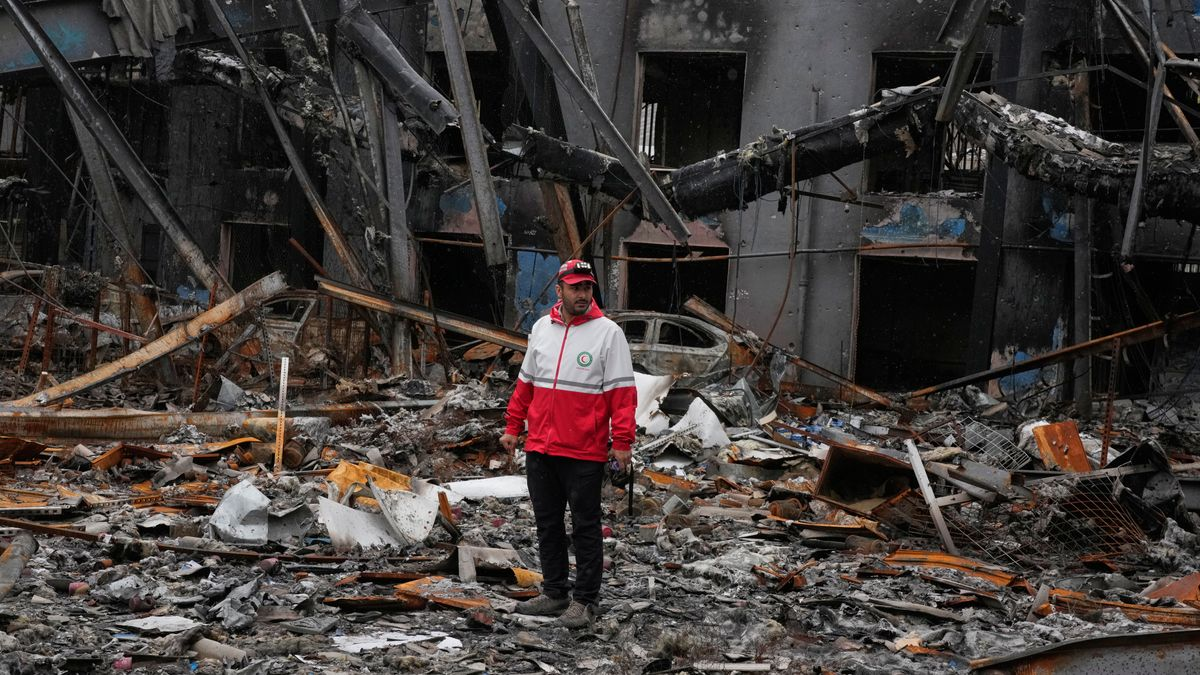
Strategic implications for global trade and maritime security
The Houthi threat extends far beyond the borders of Israel and Yemen, reaching into global supply chains. As a group capable of launching long-range missiles, they hold significant leverage over the Bab el-Mandeb Strait. This narrow passage is essential for ships traveling between the Indian Ocean and the Mediterranean Sea. Constant attacks create an environment of uncertainty that drives up the price of consumer goods worldwide. Shipping companies are already considering longer, more expensive routes around the southern tip of Africa. This shift results in higher carbon emissions and longer delivery times for critical industrial components. Protecting these lanes requires a massive international naval presence that is both costly and politically sensitive.
Steps taken by international authorities to secure the region:
- Increased naval patrols by the US and allied forces in the Red Sea.
- Deployment of advanced early warning systems to detect missile launches.
- Enhanced diplomatic communication between Riyadh and Washington.
- Monitoring of Houthi supply lines to prevent the arrival of new technology.
- Public statements from global leaders condemning the use of ballistic missiles.
- Support for Egyptian efforts to keep the Suez Canal functional and safe.
Maintaining the flow of trade is vital for the global economy, especially during times of geopolitical tension. The recent strike proves that even a single missile can trigger a massive security response. Governments are under pressure to find a long-term solution to the underlying causes of Houthi militancy. This includes addressing the humanitarian crisis in Yemen while curbing the flow of advanced weaponry to the group. Without a comprehensive approach, the cycle of attacks and interceptions is likely to continue indefinitely. Strategic patience is being tested as the conflict enters this new and unpredictable phase. Future stability depends on the ability of regional powers to find common ground.
Earlier we wrote that USPS seeks temporary 8% charge on Priority Mail to cover rising transportation costs