

Best baltimore neighborhoods for families offer a surprising depth of character, safety, and community spirit that often goes overlooked by those outside the Mid-Atlantic. Parents looking for the ideal blend of green space and urban convenience often find that Baltimore provides a unique value proposition compared to other major East Coast hubs. Whether you are searching for historic architecture in the north or waterfront accessibility near the harbor, the city caters to diverse domestic needs. Deciding on a specific street involves balancing proximity to quality education with the everyday desire for walkable amenities and play areas. Many residents choose these areas specifically for their established community associations and child-friendly local events. Logistics play a major role, as transit times to major medical and educational campuses can dictate your daily routine. Real estate here remains competitive, making it essential to identify which pocket aligns with your specific long-term growth goals. As the Baltimore Chronicle notes, the influx of young families into renovated historic districts is reshaping the city’s residential landscape for 2026.
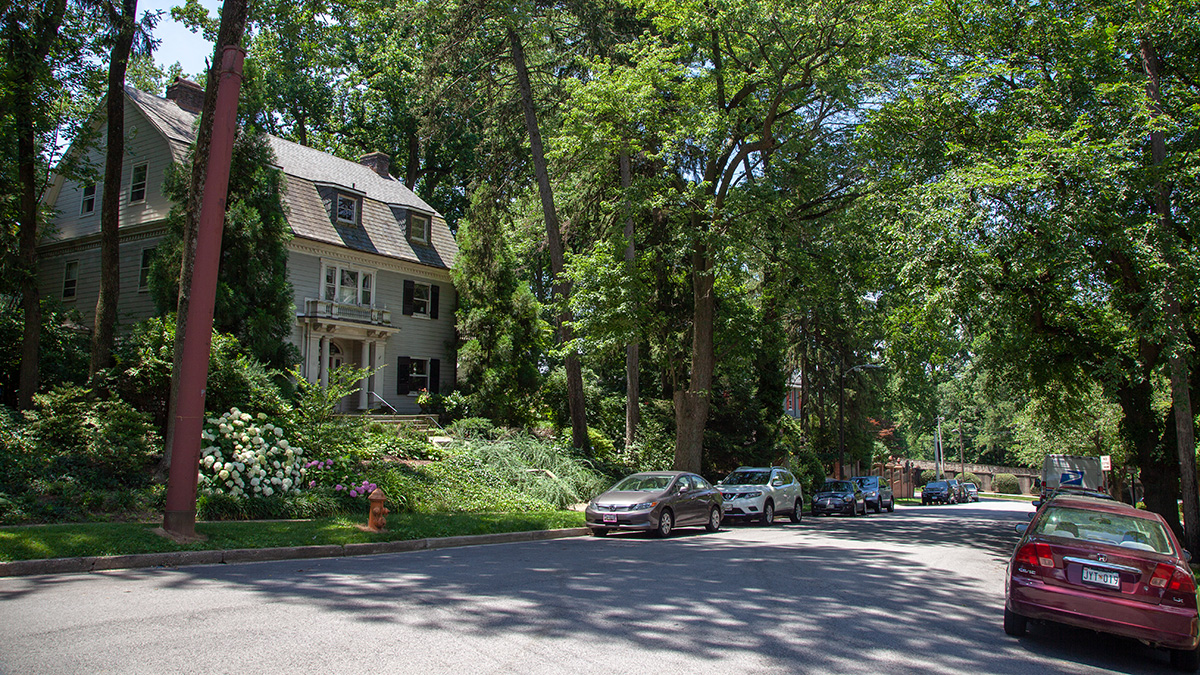
Family Living at a Glance
- Best for Parks and Outdoors: Roland Park and Canton.
- Best for Historic Charm and Schools: Mount Washington and Lauraville.
- Best for Urban Convenience: Locust Point and Charles Village.
- Best for Budget-Friendly Space: Hamilton and Belair-Edison.
Finding the Right Fit for Your Household
Choosing where to live in baltimore with kids requires a strategic look at how a neighborhood functions during the weekends and after-school hours. Baltimore is fundamentally a “city of neighborhoods,” and for families, this means finding a block where neighbors know each other and children can play safely. Many of the most popular areas feature active improvement associations that organize everything from seasonal festivals to communal garden projects. Safety is naturally a primary concern, leading many to gravitate toward the city’s northern corridor or specific peninsula enclaves. You should also consider the “vibe” of local commerce—does the area have a family-run hardware store or a library branch within walking distance?
The diversity of housing stock is another significant factor in the decision-making process for local parents. From traditional brick rowhouses with fenced-in backyards to sprawling Victorian estates, the architectural variety allows for different lifestyle choices. Commuters often prioritize areas with easy access to the Jones Falls Expressway or the light rail system to minimize time away from home. Proximity to major employers like Johns Hopkins or the University of Maryland also influences where families plant their roots. Each district has a distinct personality that dictates the pace of life for its residents.
| Neighborhood | Primary Housing Type | Key Family Feature | General Atmosphere |
| Roland Park | Large Victorian Estates | Top-tier public and private schools | Stately, quiet, and prestigious |
| Canton | Renovated Rowhouses | Proximity to Patterson Park | Active, social, and waterfront |
| Mount Washington | Detached Homes/Condos | Boutique shopping and light rail | Wooded, village-like, and serene |
| Locust Point | Modern Rowhouses | Latrobe Park and high safety | Tight-knit, maritime, and secure |
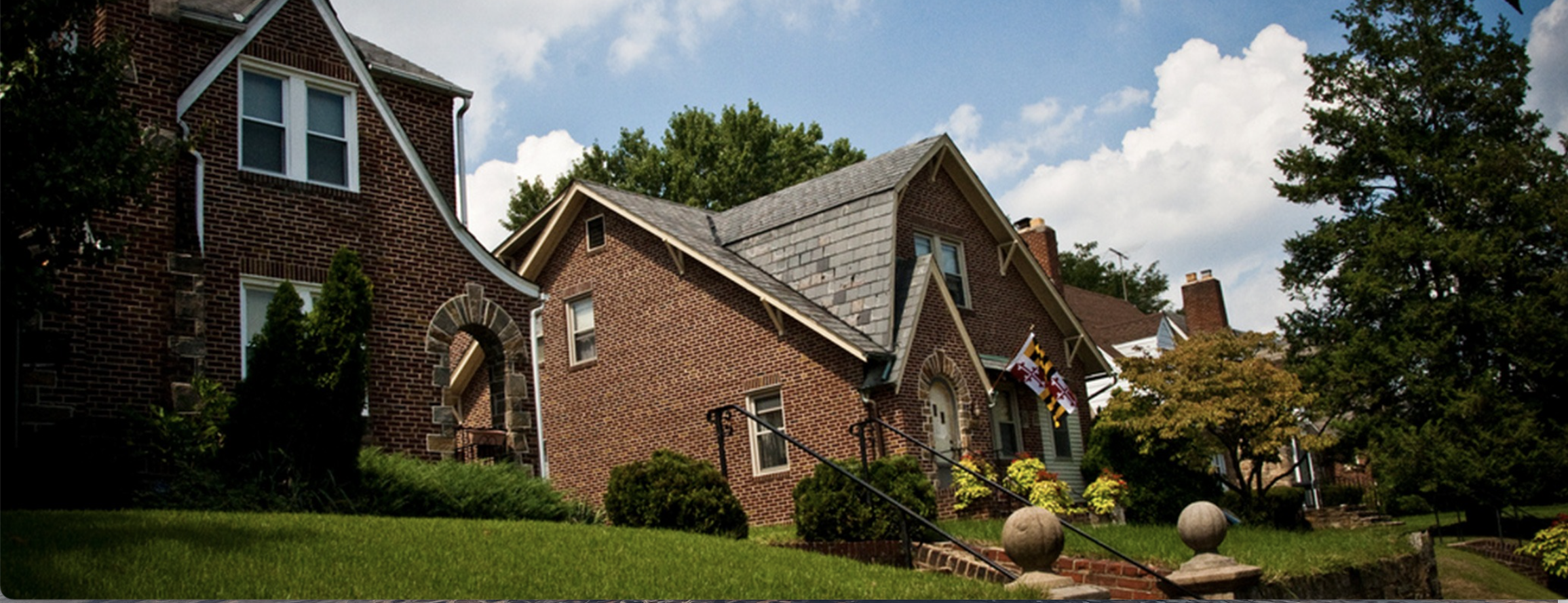
| Hamilton-Lauraville | Craftman Bungalows | Large yards and local arts | Creative, spacious, and affordable |
The transition from a two-person household to a family often prompts a move toward these specific zones where infrastructure supports child-rearing. While some parents prefer the energetic hum of the waterfront, others seek the quiet, tree-lined canopies of the city’s northern reaches.
Green Spaces and Recreational Infrastructure
Searching for the best baltimore neighborhoods with parks is the most effective way to ensure a high quality of urban life for children. Patterson Park in Canton is often cited as the city’s “backyard,” featuring a famous pagoda, a public pool, and numerous sports fields. For families who prefer a more rugged, natural setting, the neighborhoods bordering Cylburn Arboretum or Druid Hill Park offer hundreds of acres of trails and botanical beauty. These parks serve as the social hubs for parents, where playdates and community fitness classes are a daily occurrence. Having a reliable green space within a five-minute walk significantly increases the long-term satisfaction of city-dwelling families.
- Cylburn Arboretum provides a peaceful escape with specialized gardens and educational programs for young naturalists.
- Latrobe Park in Locust Point features a popular turf field and a modern playground frequently used by local toddlers.
- Wyman Park Dell near Charles Village is a favorite for sledding in the winter and community concerts in the summer.
- The Stony Run Trail offers a wooded path that connects several northern neighborhoods, perfect for family bike rides.
These recreational assets are maintained through a combination of city funding and dedicated “Friends of” volunteer groups. For a young family, the presence of a well-maintained playground is often just as important as the square footage of the house itself. Many of these parks also host weekly farmers markets, providing access to fresh, local produce during the Maryland growing season.
Education and Proximity to Learning Centers
Focusing on baltimore neighborhoods near schools is a practical necessity for parents navigating the city’s varied educational landscape. Roland Park and Mount Washington are home to some of the most sought-after public elementary and middle schools in the region. Additionally, the presence of prestigious private institutions in these areas creates a concentrated “education corridor” that attracts academic professionals. Many families also look at the availability of specialized charter schools, which often draw residents to areas like Hampden or Charles Village. Access to extracurricular activities, such as music schools or youth sports leagues, is another vital component of the neighborhood search.
- Research the specific school catchment zones, as boundaries can occasionally shift between academic years.
- Visit local library branches like the Enoch Pratt Central Library to see the scale of youth programming available.
- Check for the presence of early childhood education centers and reputable daycare facilities within the district.
- Join local “moms and dads” Facebook groups to get unfiltered feedback on specific school experiences.
- Consider the walkability of the route to school to determine if your child can eventually walk or bike safely.
- Look for neighborhoods with active youth scouts or community center programs that supplement formal education.
The educational environment in Baltimore is bolstered by its proximity to world-class universities, which often partner with local schools for enrichment programs. Parents who prioritize a lifelong learning environment often find that being near these intellectual hubs provides their children with unique opportunities.
Finding Value in Residential Hubs
Identifying affordable family neighborhoods baltimore is possible if you are willing to look at the “up-and-coming” creative corridors. Hamilton and Lauraville, located in the northeast, offer large yards and detached homes at a fraction of the price of the downtown waterfront. These areas are increasingly popular with artists and young professionals who want the space of the suburbs without leaving the city limits. The local business districts here are filled with independent coffee shops, bakeries, and tool libraries that cater to a DIY-friendly demographic. Choosing an affordable area often allows families to invest more in home renovations or private extracurricular activities for their children.
“A neighborhood is not just a collection of houses, but a network of families supporting each other through every developmental milestone.” — Local Community Leader.
While the initial cost of entry is lower in these districts, the sense of community ownership is remarkably high. Residents here often lead the way in street greening projects and neighborhood safety walks. The trade-off is often a slightly longer commute to the Inner Harbor, but for many, the extra backyard space is worth the drive. These neighborhoods represent the “hidden gems” of the Baltimore real estate market for 2026.
Safety and Long-Term Stability for Children
Establishing a home in family friendly baltimore neighborhoods means looking for areas with low crime rates and high resident retention. Locust Point is a prime example of a peninsula neighborhood where the limited entry points contribute to a secure, village-like atmosphere. Parents here often cite the ability to let their children play on the sidewalk as a primary reason for staying in the city. Similarly, the gated-feel of certain northern communities provides a buffer from the more hectic parts of the urban center. Evaluating the safety of an area involves looking at both official data and the “eye-test” of seeing people out and about at different times of the day.
The stability of a neighborhood is also reflected in how many families choose to stay for the long term. When you see strollers and tricycles on the porches of multiple homes, it is a strong indicator of a family-centric culture. Many of these districts have their own private security patrols funded by neighborhood associations to supplement municipal services. This extra layer of oversight provides peace of mind for parents who work late or travel for business. Long-term stability is also fueled by the steady appreciation of property values in these protected enclaves.
Common Mistakes and Trade-offs
- Ignoring the “Block-by-Block” Rule: In Baltimore, the character and safety of a street can change significantly within two blocks.
- Overlooking Parking: For families with multiple vehicles, a lack of a driveway or dedicated street parking can be a major daily stressor.
- Neglecting the Basement Check: Many historic Baltimore homes have damp basements; ensure proper waterproofing if you plan to use it as a playroom.
- Assuming School Quality: Always verify current school ratings and enrollment procedures through official Baltimore City Public Schools channels.
- Forgetting Maintenance Costs: Large historic homes are beautiful but require a significantly higher annual budget for repairs and heating.
Infrastructure and Safety Planning for Urban Households
Creating a stable environment in family friendly baltimore neighborhoods requires more than just finding a house with a fence; it demands a critical look at the city’s micro-logistics. Safety in an urban setting is often a product of high “eyes on the street” and active community patrols that supplement municipal services. Many parents in the peninsula neighborhoods, such as Locust Point, benefit from a natural geographic boundary that limits through-traffic, creating a safer environment for cycling and walking to school. Furthermore, the presence of modern security technology, combined with traditional neighborhood watch programs, has significantly bolstered the long-term appeal of these residential enclaves. Understanding the response times of local precincts and the activity levels of neighborhood associations is a vital step for any responsible parent.
- The Downtown Partnership provides “Safety Ambassadors” who patrol high-traffic areas to assist residents and visitors.
- Many community associations fund private security details to provide an extra layer of oversight during evening hours.
- Modern lighting initiatives in parks like Patterson Park have improved visibility and safety for late-afternoon family activities.
- The Citizen app is widely used by Baltimore parents to stay informed about real-time localized safety alerts.
Effective safety planning also involves looking at the physical condition of the sidewalks and the speed of local traffic. Families often gravitate toward blocks that have successfully lobbied for “traffic calming” measures like speed humps or enhanced crosswalks. These small infrastructure details are often the deciding factor for those deciding where to live in baltimore with kids over the long term. A neighborhood that prioritizes the pedestrian experience is inherently more conducive to a healthy, active childhood.
Strategic Steps for Navigating the School Search
- Identify your designated “Zoned School” by entering your potential address into the Baltimore City Public Schools locator.
- Schedule a private tour during school hours to observe the classroom environment and the interactions between staff and students.
- Evaluate the availability of “Out-of-Zone” transfers if your preferred school is located in a neighboring district.
- Investigate the specialized “Charter School” lottery system, which offers alternative curriculum focuses for city residents.
- Check the proximity of the school to public transit lines if you do not plan on driving your children every morning.
- Consult with the local Parent Teacher Organization (PTO) to gauge the level of family involvement and fundraising success.
Navigating the educational landscape is perhaps the most complex part of moving to a new district. Parents who start this process early—often a full year before enrollment—have the best chance of securing a spot in their top-choice institution. It is also important to remember that many of the best baltimore neighborhoods for families are within walking distance of multiple high-quality daycare and preschool options. This density of choice allows for a more personalized approach to your child’s early development.
Recreational Assets and Youth Engagement
Finding the best baltimore neighborhoods with parks is essential for maintaining a high quality of life during the humid Maryland summers. Beyond the famous large-scale parks, many districts feature “pocket parks” and community gardens that serve as intimate gathering spots for neighbors. These smaller green spaces often host “movie nights in the park” or seasonal farmers markets that are the heartbeat of local social life. For families with active teenagers, proximity to the city’s skate parks or rowing clubs provides a healthy outlet for energy and social development. Engaging with these recreational assets early on helps children build a sense of belonging and pride in their local community.
- The Baltimore Museum of Art offers “Family Sundays” with free hands-on activities for children of all ages.
- Port Discovery Children’s Museum in the Inner Harbor is a premier destination for interactive learning and play.
- Maryland Science Center features an IMAX theater and a planetarium that are favorites for school-aged kids.
- Local “Tool Libraries” in neighborhoods like Station North allow parents to borrow equipment for backyard projects or school assignments.
These cultural and recreational institutions are what give Baltimore its “Charm City” nickname. They provide a rich tapestry of experiences that are often more accessible and affordable than those in larger metropolitan areas. For a family, living within a short transit or bike ride of these amenities ensures that weekends are always filled with educational and fun opportunities.
FAQ: Parenting in Baltimore
Which neighborhood has the best public schools for young children?
Roland Park and Mount Washington consistently rank among the top for public elementary and middle school options.
Is it safe to raise a family in Baltimore city limits?
Yes, many neighborhoods like Locust Point, Canton, and Roland Park are highly secure and designed for family living.
Where can I find a home with a large backyard?
Hamilton, Lauraville, and Mount Washington offer the best selection of detached homes with significant outdoor space.
Are there many indoor activities for kids during the winter?
The Maryland Science Center and Port Discovery Children’s Museum are world-class facilities located right in the city.
What is the most walkable neighborhood for a family with a stroller?
Canton and Harbor East are incredibly flat and feature wide sidewalks, making them ideal for walking with small children.
How do I find a local babysitter or nanny?
Most families use neighborhood-specific listservs or the “Live Baltimore” community boards to find trusted local help.
Are there family-friendly events in Baltimore?
Yes, from the Flower Mart in Mount Vernon to the Kinetic Sculpture Race, the city calendar is full of youth-oriented festivals.
What is the average commute from the suburbs to downtown?
Depending on the neighborhood, a commute from the northern borders usually takes between 15 and 25 minutes by car.
Is there a good hospital system for pediatric care?
Baltimore is home to Johns Hopkins Children’s Center, one of the top-ranked pediatric hospitals in the nation.
How can I meet other parents in my new neighborhood?
Joining the local neighborhood association or frequenting the local playground during “peak hours” is the fastest way to connect.
Earlier we wrote about Best Baltimore Neighborhoods for Young Professionals