

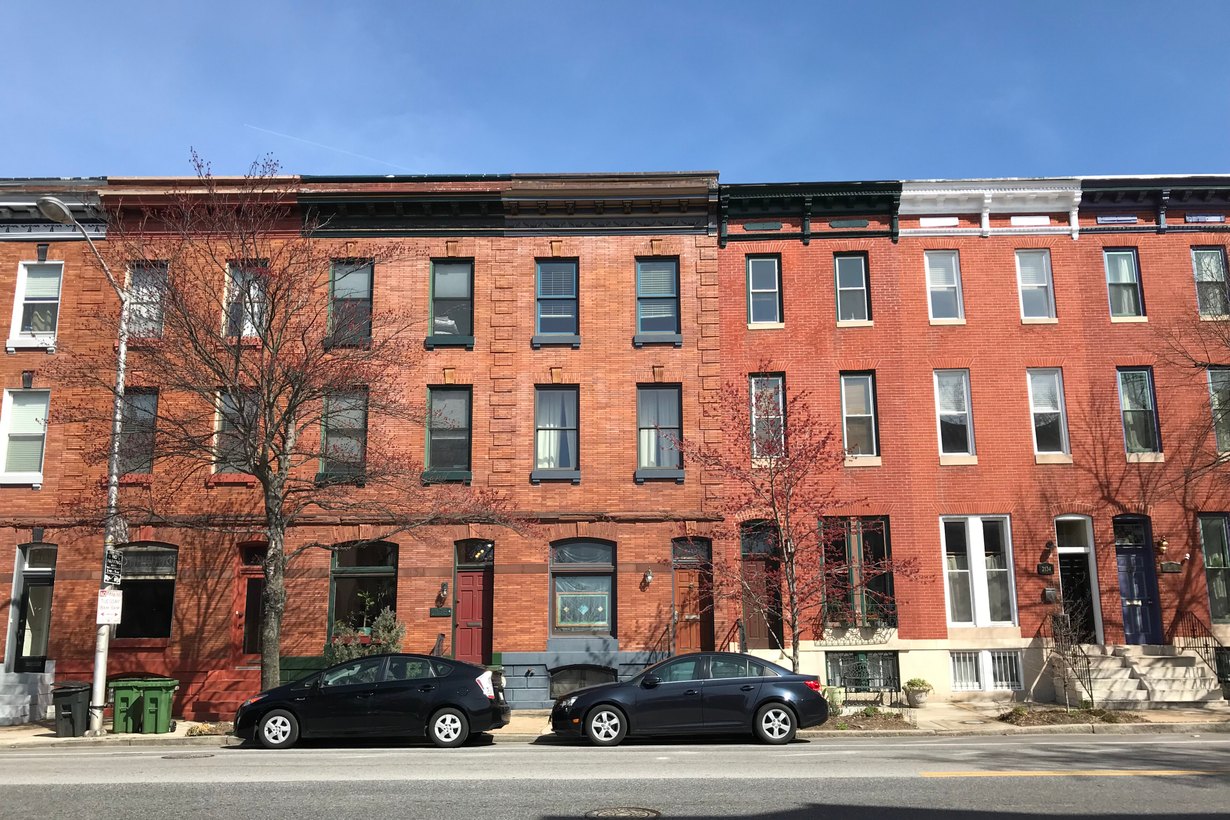
Sixty-one Marylanders died from heat-related causes during the 2026 heat season, the most the state has ever recorded, according to the Maryland Department of Health’s final update for the season that ended Sept. 30. For Baltimore, which logged more heat deaths than any other jurisdiction this summer, the numbers point to a problem that is likely to return next year: hot nights, homes without reliable air conditioning and older residents living alone.
The state released the final figures Wednesday, as Maryland Matters reported. The total far exceeds the previous record, set in 2012, and is nearly double the 34 deaths reported in 2025.
How bad was Maryland’s 2026 heat season?
| Measure | 2026 season | Comparison |
|---|---|---|
| Heat-related deaths | 61 | 34 in 2025; 5 in 2022 |
| EMS calls for heat-related illness | 1,657 | 1,634 in 2025 (previous high) |
| Emergency department or urgent care visits | 1,603 | Record 1,670 in 2025 |
| Deaths from late June to early July heat wave | 41 of 61 | About two of every three deaths |
| Victims age 65 or older | 62% | Ages 45–64: 26%; ages 18–44: 10% |
Deaths have climbed every year since 2022. The health department also reported that at least one child age 4 or younger died of heat-related illness this year.
Why did so many people die this summer?
Timing explains much of it. According to the health department, 41 of the 61 deaths happened from the last week of June into the first week of July, when highs stayed between the high 90s and low 100s and overnight lows remained in the upper 70s. That Fourth of July heat wave brought triple-digit temperatures to Baltimore, and a storm during it knocked out power to tens of thousands of BGE customers, The Baltimore Banner reported.
State health officials say warm nights are the hidden danger, because the body never gets a chance to cool down.
“If people don’t have a chance to recover from scorching afternoons, the physical toll on their body can be fatal.”
Cliff Mitchell, environmental health bureau director, Maryland Department of Health, via Maryland Matters
Researchers also point to better reporting. Johns Hopkins professor Ben Zaitchik told the Banner that some of the increase may reflect more accurate identification of heat deaths as awareness grows.
Where did people die?
Nearly half of the victims, 29 people or 48%, died indoors. Another 26% died outdoors and 26% died in a vehicle. Jamie Madrigano of the Johns Hopkins Bloomberg School of Public Health told Maryland Matters that many indoor deaths happen when people lack air conditioning or do not run it because of utility costs.
That matters in Baltimore’s rowhouse neighborhoods. Zaitchik’s research team, which tracks temperatures at more than 50 sites across the city, has found that some East Baltimore neighborhoods can run close to 10 degrees hotter during heat waves than leafy areas such as Roland Park, according to the Banner.
How did Baltimore City fare?
As of early September, Baltimore had recorded 11 heat deaths, more than any other Maryland jurisdiction, the Banner reported. City Health Commissioner Michelle Taylor said that total is about average for a Baltimore summer. City cooling centers drew roughly 4,900 visits during the season, and the city handed out thousands of bottles of water.
The long-term trend is also sharpest here. A July report by state climatologist Alfredo Ruiz-Barradas found Baltimore temperatures have risen at more than 3 degrees per century over the last 130 years, faster than anywhere else in Maryland, according to the Banner. The city activates Code Red Extreme Heat alerts and cooling centers each summer, as the Baltimore Chronicle reported when the 2026 season began.
What changes for renters?
For years, most Maryland landlords were required to provide heat in winter but not air conditioning in summer. A state law that took effect June 1 now requires air conditioning in new buildings with 10 or more units, and existing buildings must add it the next time they undergo significant work on their electrical or heating systems, the Banner reported. Del. Mary Lehman, a Prince George’s County Democrat, sponsored the measure, modeled on rules already in place in Prince George’s and Montgomery counties.
The law does not require immediate retrofits, so many older Baltimore apartments and rowhouses will still rely on window units that tenants buy themselves.
What should Marylanders do before next summer?
The state has ended weekly heat surveillance for 2026, but Dr. Georges Benjamin of the American Public Health Association warned that another hot spell is still possible this year and urged communities to start planning now. Practical steps based on state health guidance include:
- Make a list of older relatives and neighbors who live alone and plan to check on them daily during heat alerts.
- If air conditioning costs are a barrier, look into energy assistance programs before summer and know where the nearest cooling center is.
- Never leave people or pets in a parked car, even briefly.
- Drink plenty of fluids, limit alcohol and caffeine, and schedule outdoor work for early morning or evening.
- Learn the warning signs, including muscle cramps, headache, nausea, extreme weakness, confusion and rapid, shallow breathing, and seek medical care quickly.
“This is solvable,” Zaitchik told the Banner, saying the key is getting at-risk people into air conditioning and giving them water.
Featured image: Rowhouses on East Baltimore Street in Baltimore. Photo: Baltimore Heritage / Wikimedia Commons, CC0.