

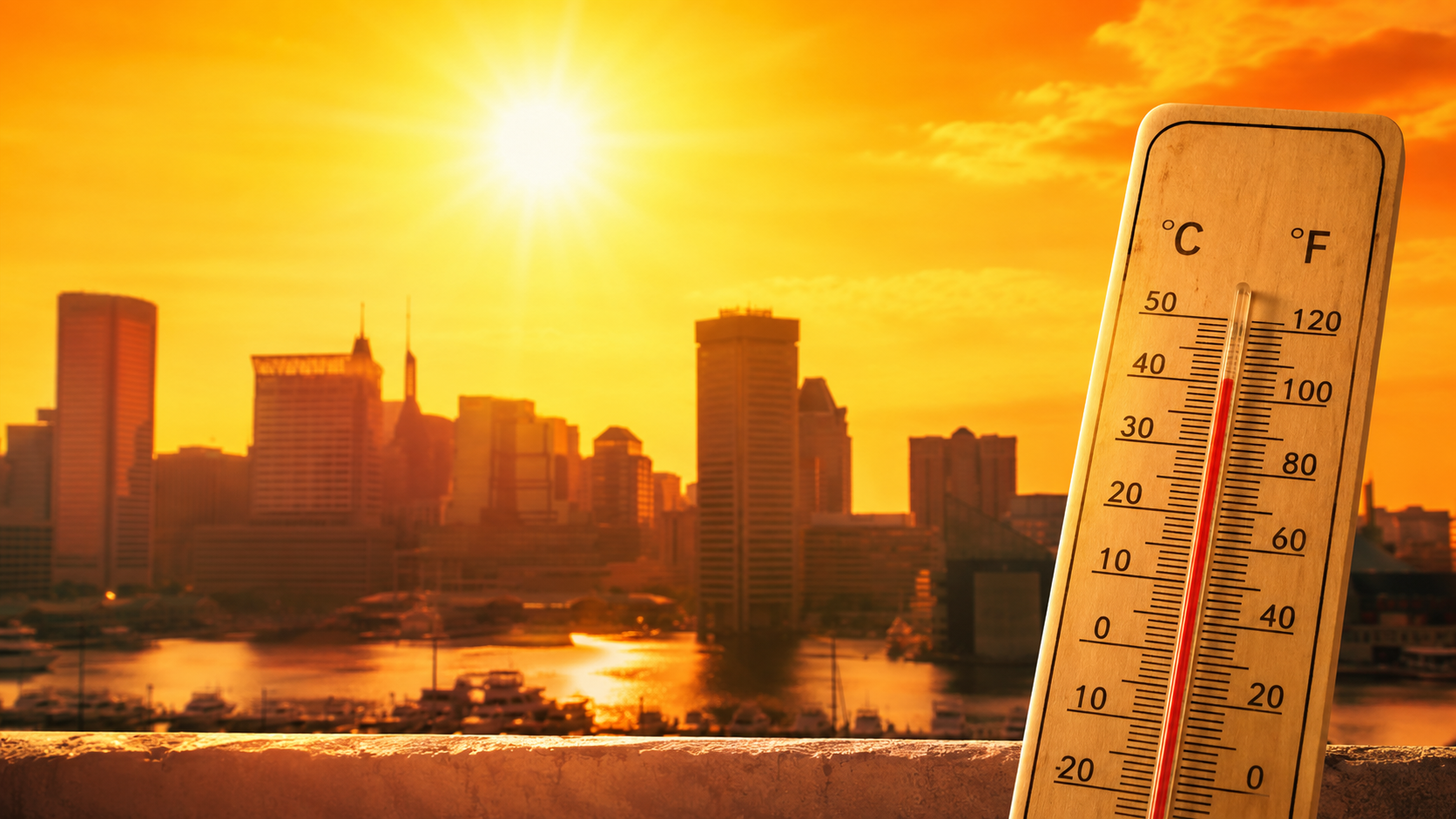
Baltimore officials have officially launched the city’s annual Code Red Extreme Heat season, warning residents to prepare for potentially life-threatening temperatures this summer. The city-wide emergency program began on May 15 and will continue through September 15, coordinating cooling centers, emergency resources, and public alerts during periods of severe heat. Officials say Baltimore experienced 14 Code Red days in 2025, alongside eight heat-related deaths, highlighting growing concerns over climate-related emergencies. As noted by Baltimore Chronicle, local authorities are increasing outreach efforts to protect vulnerable residents during extreme weather events.
What triggers a Code Red Extreme Heat alert in Baltimore
According to the Baltimore City Health Department, a Code Red Extreme Heat alert will be activated whenever the heat index reaches 105 degrees Fahrenheit or higher. During those periods, city agencies coordinate emergency measures across Baltimore neighborhoods.
Mayor Brandon Scott said the city is focusing heavily on protecting seniors, children, pregnant women, homeless residents, outdoor workers, and people with chronic illnesses. Officials warned that extreme heat remains the leading cause of weather-related deaths in the United States.
“Extreme heat can be life-threatening, and we want to make sure residents stay safe this summer,” Scott said in the city statement.
Health experts also emphasized that heat-related illness develops quickly. Many symptoms begin with dehydration and exhaustion before escalating into medical emergencies.
Cooling centers and emergency support available across the city
Baltimore agencies will provide several emergency resources throughout the summer season. Residents can receive updates through BMORE Alerts, the Baltimore City 311 line, and health department social media channels.
Before visiting a cooling center, officials recommend checking local schedules and operating hours. Many public buildings may extend services during prolonged heat waves.
The city also shared several recommendations for residents trying to stay safe during dangerous temperatures:
- Drink water regularly, even without feeling thirsty
- Avoid alcohol and excessive caffeine
- Limit outdoor activity during afternoon hours
- Spend time in air-conditioned buildings
- Check on elderly neighbors and relatives
- Learn symptoms of heat exhaustion and heatstroke
After releasing the guidance, public health officials urged residents to prepare early instead of waiting for temperatures to spike suddenly. Emergency responders say many heat-related incidents happen during the first major heat wave of the season.
Common signs of heat-related illness residents should know
Doctors warn that recognizing early symptoms can save lives. Heatstroke can become fatal if treatment is delayed.
The Baltimore City Health Department highlighted several dangerous warning signs:
| Symptom | Possible Risk |
|---|---|
| Confusion | Severe dehydration or heatstroke |
| Nausea | Heat exhaustion |
| Light-headedness | Overheating and dehydration |
| Rapid heartbeat | Heat stress |
| Hot, dry skin | Possible heatstroke |
| Cool, clammy skin | Heat exhaustion |
“Heat-related illness is preventable, but it requires awareness and action,” said Health Commissioner Dr. Michelle Taylor.
Medical professionals also advised residents to avoid intense exercise between 11 a.m. and 4 p.m. Those hours usually bring the highest temperatures and humidity levels.
Officials issue special warnings for children and infants
Baltimore health officials placed special attention on infant safety during summer heat. Authorities warned parents never to leave children inside parked vehicles, even briefly.
Experts explained that vehicle temperatures can rise dangerously within minutes. Interior temperatures may exceed 110 degrees even on moderately warm days.
The department also advised parents against covering strollers with blankets because trapped heat can quickly build underneath the fabric.
To reduce overheating risks for infants, officials recommend:
- Dressing babies in lightweight sleep clothing
- Keeping sleeping areas cool and ventilated
- Avoiding heavy blankets or thick sleepwear
- Using lightweight sleep sacks instead of blankets
- Keeping babies’ heads uncovered during sleep
Health experts added that overheated infants may become unusually fussy, sweaty, or restless. Parents should cool children gradually using damp washcloths and fresh airflow.
Pet owners urged to avoid dangerous outdoor conditions
City officials also warned pet owners about serious heat risks for animals. Veterinarians say pets can develop heatstroke quickly during high temperatures.
Authorities advised residents never to leave animals inside parked cars. Even mild outdoor temperatures can create deadly conditions inside vehicles.
Officials recommended several protective measures for pets during summer heat:
- Provide constant access to cold water
- Ensure shaded outdoor areas
- Walk dogs during early mornings or evenings
- Avoid hot asphalt surfaces
- Watch for heavy panting or vomiting
Veterinary experts noted that overheated pavement can severely burn dogs’ paws within seconds. Grass surfaces remain much safer during hot afternoons.
Baltimore prepares for another intense summer season
Emergency management officials believe Baltimore could face even more extreme heat events in coming years. Rising temperatures continue affecting urban areas across the United States.
Joey Henderson said city agencies are coordinating resources earlier this year to improve emergency response capacity.
Residents without air conditioning are encouraged to prepare homes before peak summer temperatures arrive. Officials suggest installing reflective window coverings, improving insulation, and using fans carefully to maintain airflow indoors.
Public health leaders also reminded residents that community awareness remains critical during severe heat events. Checking on neighbors and relatives could prevent emergencies during prolonged heat waves.
Earlier we wrote that Baltimore Drops Opioid Lawsuits Amid Settlement Strategy Shift