

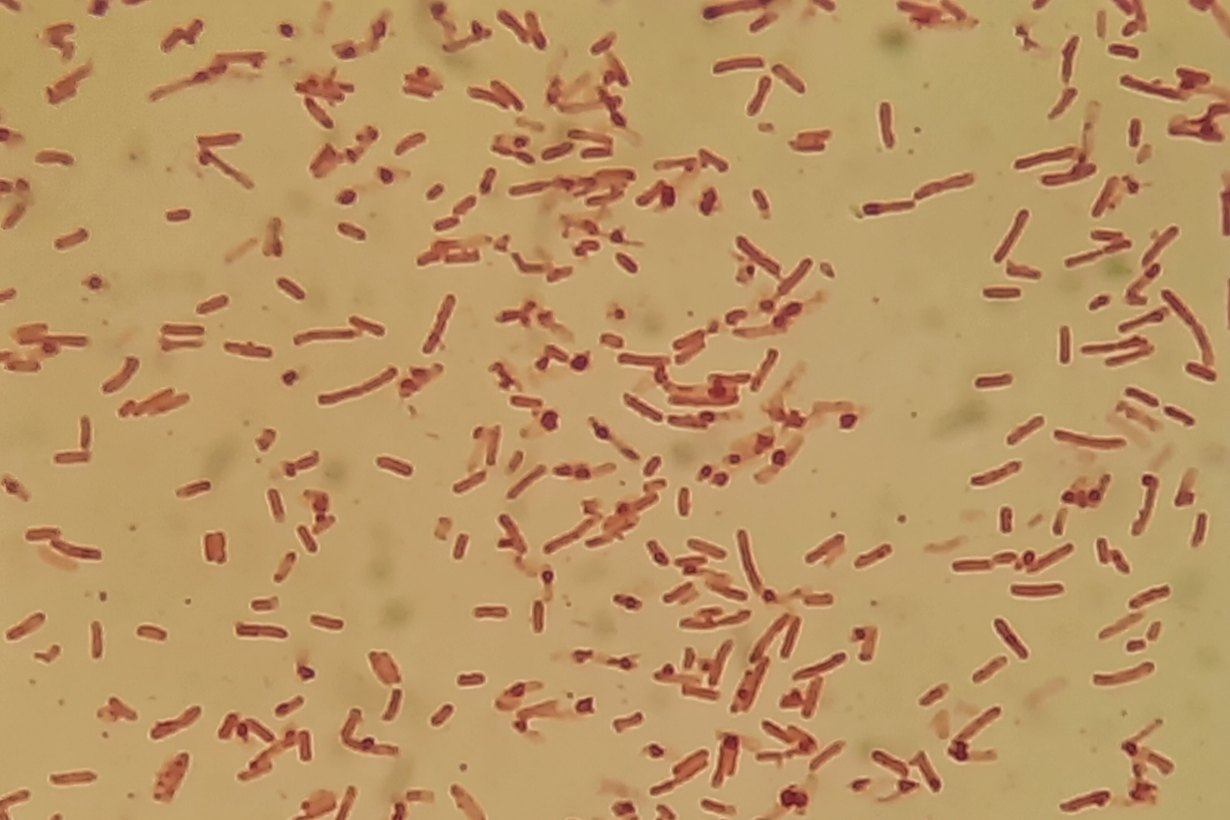
“Sexually transmitted diarrhea” became one of the fastest-rising searches in the U.S. this week as national and British outlets reported on drug-resistant Shigella, a gut bacterium that can spread through sex as well as through contaminated food, water and hands. For Baltimore-area readers, the story has a local side: one of the few experimental treatments for the infection is being tested at the University of Maryland School of Medicine, and city clinics offer low-cost sexual health care.
Here is what the infection is, what the latest federal data show and what Maryland residents should know.
What is “sexually transmitted diarrhea”?
The phrase refers to shigellosis, an infection caused by Shigella bacteria. The Centers for Disease Control and Prevention estimates about 450,000 Shigella infections occur in the U.S. each year. Swallowing a very small amount of the germ can cause illness, according to the CDC.
Shigella spreads person to person and through contaminated food, water, surfaces and objects. It can also spread during sexual activity with someone who is sick. The CDC says any sexual activity that involves exposure to stool carries risk, and it lists gay, bisexual and other men who have sex with men among the groups at higher risk, alongside young children in child care, travelers and people experiencing homelessness.
Why is drug-resistant Shigella in the news now?
Two recent studies drove the coverage. A CDC analysis published in its Morbidity and Mortality Weekly Report this spring reviewed nearly 17,000 Shigella samples and found that the share classified as extensively drug-resistant, or XDR, rose from 0% in 2011 to 8.5% in 2023, Healio reported. In July, University of Cambridge researchers reported in The Lancet Infectious Diseases that resistant variants were spreading in some networks of gay and bisexual men in the U.K., and that many people at risk were unaware of it, according to the university.
| Measure | Finding |
|---|---|
| Estimated U.S. Shigella infections per year | About 450,000 |
| Share of tested samples that were XDR, 2011 | 0% |
| Share of tested samples that were XDR, 2023 | 8.5% |
| XDR patients who were hospitalized | About one-third |
| Adult XDR patients who were men | 86.2% (of 473 with data) |
| Median age of XDR patients | 41 |
The CDC report noted that possible alternatives for XDR cases are not approved by the Food and Drug Administration for this use and that no optimal therapy has been established.
What are the symptoms of Shigella?
According to the CDC, symptoms usually begin one to two days after infection and last about seven days. They include:
- Diarrhea that may be bloody or last more than three days
- Fever
- Stomach pain
- Feeling the need to pass stool even when the bowels are empty
Most people recover without antibiotics in five to seven days, and fluids help prevent dehydration. Anyone with bloody diarrhea, a high fever or symptoms that do not improve should contact a health care provider, who can order a stool test. Telling the provider about recent sexual contact or travel helps them choose the right test and treatment, especially when drug resistance is possible.
How can people lower their risk?
The CDC recommends washing hands with soap and water, taking care when changing diapers and avoiding swallowing pool water. For sexual transmission, the agency advises that anyone diagnosed with shigellosis, and their partners, avoid sex for at least two weeks after diarrhea ends.
One infectious disease specialist says the message needs to reach people through the same channels as other sexual health information.
“Effective education means integrating Shigella into the same conversations we already have about STI prevention.”
Dr. Jason E. Zucker, Columbia University Medical Center, to Healio
What is the Maryland connection?
Maryland is home to some of the research aimed at Shigella. Intralytix, a biotech company based in Columbia, is testing ShigActive, a bacteriophage therapy that uses viruses targeting Shigella bacteria, in a Phase 1/2a clinical trial at the University of Maryland School of Medicine’s Center for Vaccine Development in Baltimore, according to the company. The company says the trial is registered as NCT05182749 and is not recruiting healthy volunteers for its Phase 2a stage.
The approach is experimental and not an approved treatment. But it reflects why researchers are looking beyond standard antibiotics as resistance grows.
Where can Baltimore residents get tested or treated?
The Baltimore City Health Department runs two sexual health and wellness clinics that test for and treat sexually transmitted infections, according to the city:
- Eastern clinic: 1200 E. Fayette St., Monday to Friday, 9 a.m. to 5 p.m.; (410) 396-9410
- Druid clinic: 1501 W. Saratoga St., Tuesday and Thursday, 9 a.m. to 5 p.m.
Last appointments are at 4:30 p.m., and limited walk-ins are taken first come, first served. Insurance is not required, and the city says it will not turn people away for lack of insurance or ability to pay, though uninsured patients may be billed on a sliding scale. The clinics’ service list does not specifically name Shigella testing, so people with diarrhea symptoms may want to call ahead or see a primary care provider or urgent care center.
For more on infections Maryland health officials are tracking this year, see our report on Maryland’s first human West Nile virus case of 2026.
Featured image: Shigella sonnei bacteria under a microscope after Gram staining. Photo: Ajay Kumar Chaurasiya / Wikimedia Commons, CC0.