

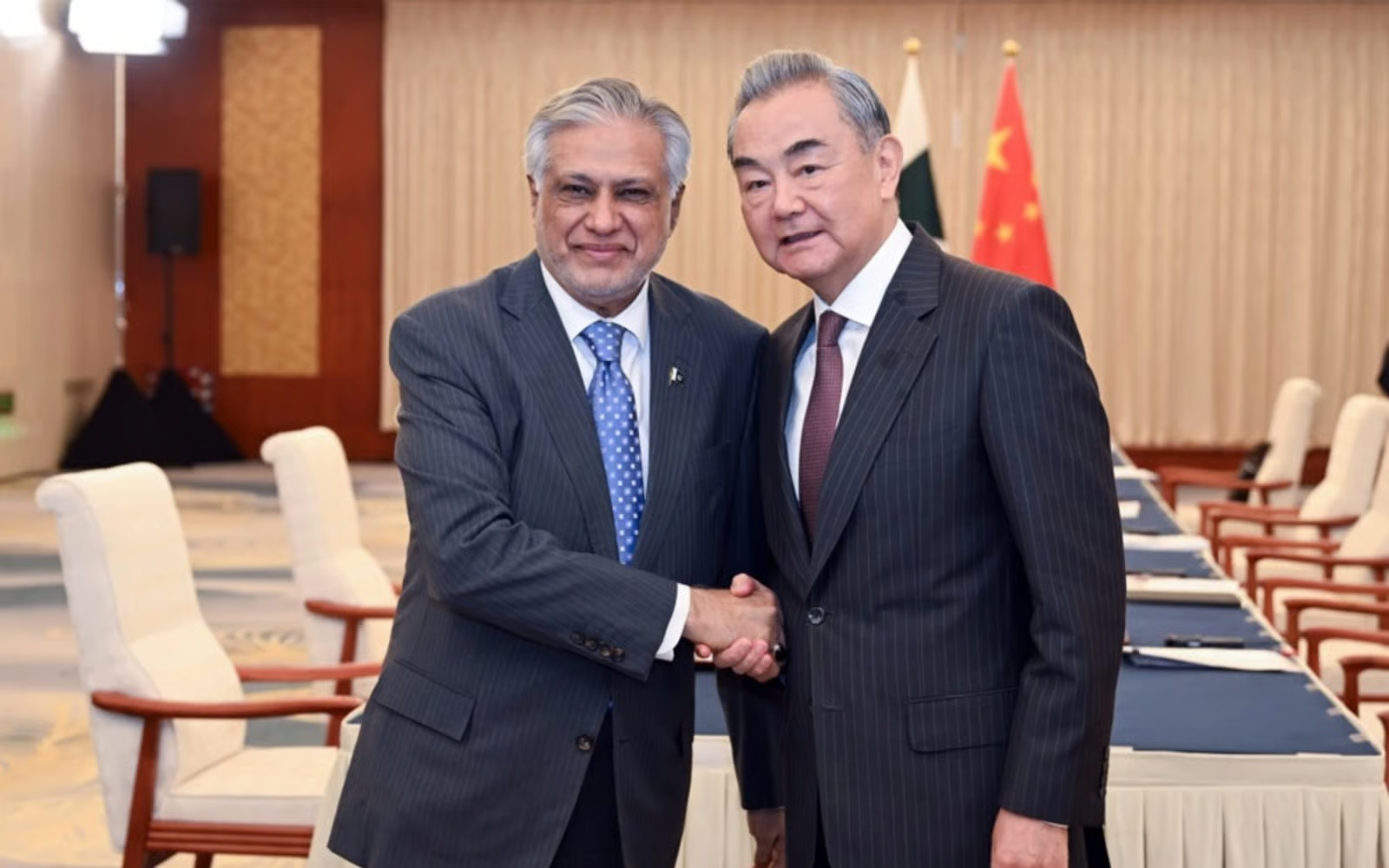
Afghanistan and Pakistan talks in China offer a glimmer of hope for stability in a region long plagued by violence. The diplomatic sessions held in the western city of Urumqi represent a critical attempt to halt escalating border clashes. These negotiations have seen useful progress according to officials from the Taliban run Foreign Ministry in Kabul. Beijing’s role as a mediator highlights its growing influence in Central Asian security matters. Both nations have suffered scores of casualties during recent military skirmishes and cross border raids. The discussions aim to resolve deep seated grievances regarding militant safe havens and territorial sovereignty. Regional powers are watching closely as the high stakes diplomacy unfolds in Xinjiang province. This fragile peace process is essential for preventing a wider humanitarian catastrophe as noted by Baltimore Chronicle via DW.
Escalating tensions and the Urumqi diplomatic mission
The conflict reached a boiling point after Pakistan declared an open war following February airstrikes. Afghanistan responded with cross border attacks that shattered a previous ceasefire brokered by Qatar. The central point of contention remains the presence of TTP militants on Afghan soil. Islamabad accuses the Taliban of harboring groups that launch deadly attacks against Pakistani security forces. Conversely, Kabul maintains that militancy is an internal Pakistani problem that requires domestic solutions.
The humanitarian impact of this neighborly dispute has been devastating for local populations. Thousands of families have fled their homes to escape the indiscriminate shelling and drone strikes.
Key regional mediators involved in the peace process:
- China: hosting the current round of high level talks in Urumqi.
- Qatar: previously brokered a ceasefire agreement that lasted until October.
- Saudi Arabia: providing diplomatic support and political weight to the negotiations.
- Turkey: engaging in multilateral efforts to stabilize the border regions.
- United Arab Emirates: assisting in logistical and diplomatic mediation channels.
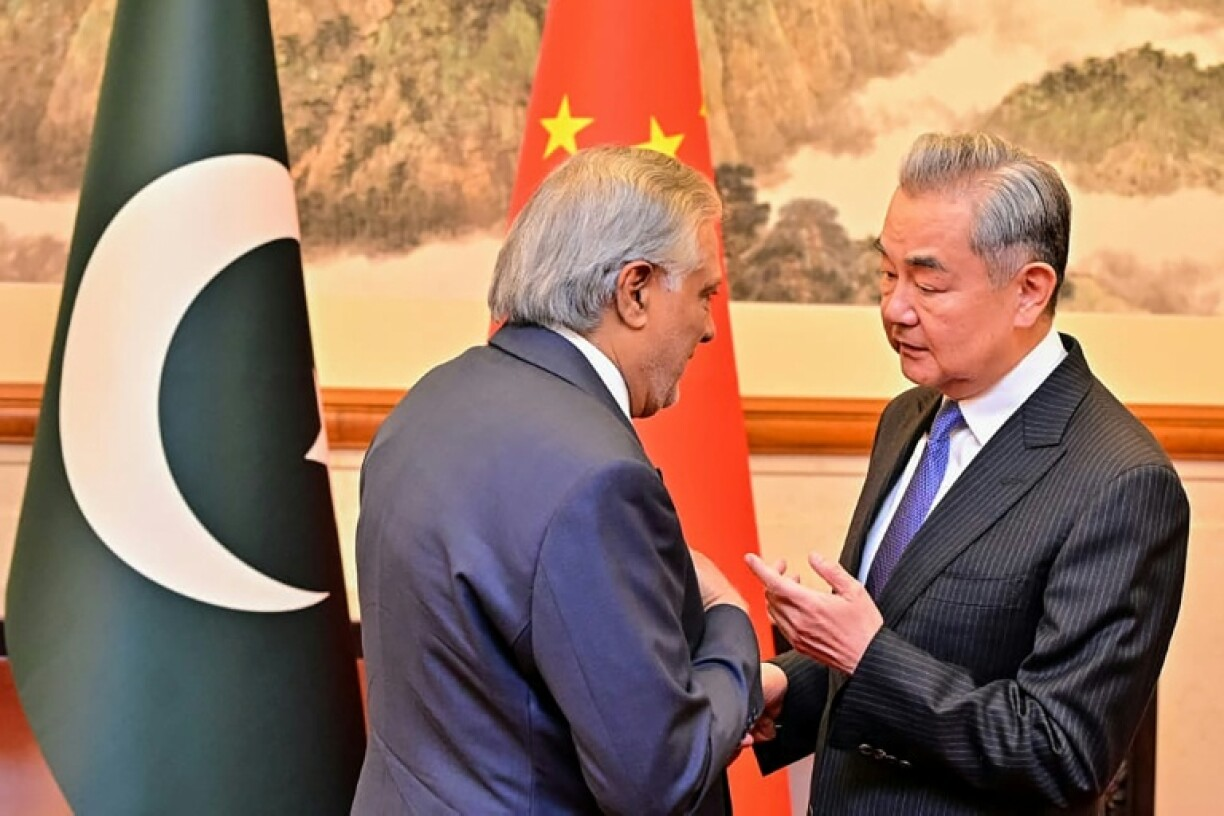
Acting Foreign Minister Amir Khan Muttaqi expressed optimism after meeting the Chinese ambassador this Tuesday. He thanked the international community for preventing a total collapse of bilateral relations. However, the Pakistani military remains skeptical and vows to continue operations against terrorist infrastructure. Field Marshal Asim Munir emphasized that Afghan soil must not be used against Pakistan.
The humanitarian cost of the border conflict
The United Nations office for the coordination of humanitarian affairs has released alarming data. The fighting has displaced approximately 94000 people since the recent flare up began. Furthermore, 100000 residents in two Afghan districts remain completely cut off from essential supplies. The closure of border crossings has led to a spike in food prices and medicine shortages.
Impact of the conflict on civilian populations:
| Affected Group | Estimated Number | Current Status |
| Displaced Persons | 94000 | living in temporary shelters |
| Isolated Residents | 100000 | cut off since February |
| Kabul Strike Victims | 400 | killed in March incident |
The situation in Kabul remains tense following a controversial strike on a rehabilitation center. Afghanistan claims over 400 people died in what they call a targeted hit on a hospital. Pakistan rejected these claims, stating they only targeted military installations and terrorist support hubs. Both sides agreed to a brief pause for the end of Ramadan on March 18. This pause provided a small window for humanitarian aid to reach the most affected border areas.
Future prospects for regional security and stability
The success of the China talks depends on mutual trust which is currently at an all time low. The Taliban must prove they can control militant groups within their borders to satisfy Islamabad. Pakistan needs to balance its security operations with the need for a stable neighbor. Beijing is likely to provide economic incentives to both parties to keep them at the table. If the Urumqi process fails, the region could face a prolonged war of attrition.
International observers remain cautious about the long term viability of any potential agreement. The shadow of the TTP continues to loom over every diplomatic interaction between the two capitals.
Earlier we wrote that Majid Khademi head of IRGC intelligence killed in a targeted strike on April 6