

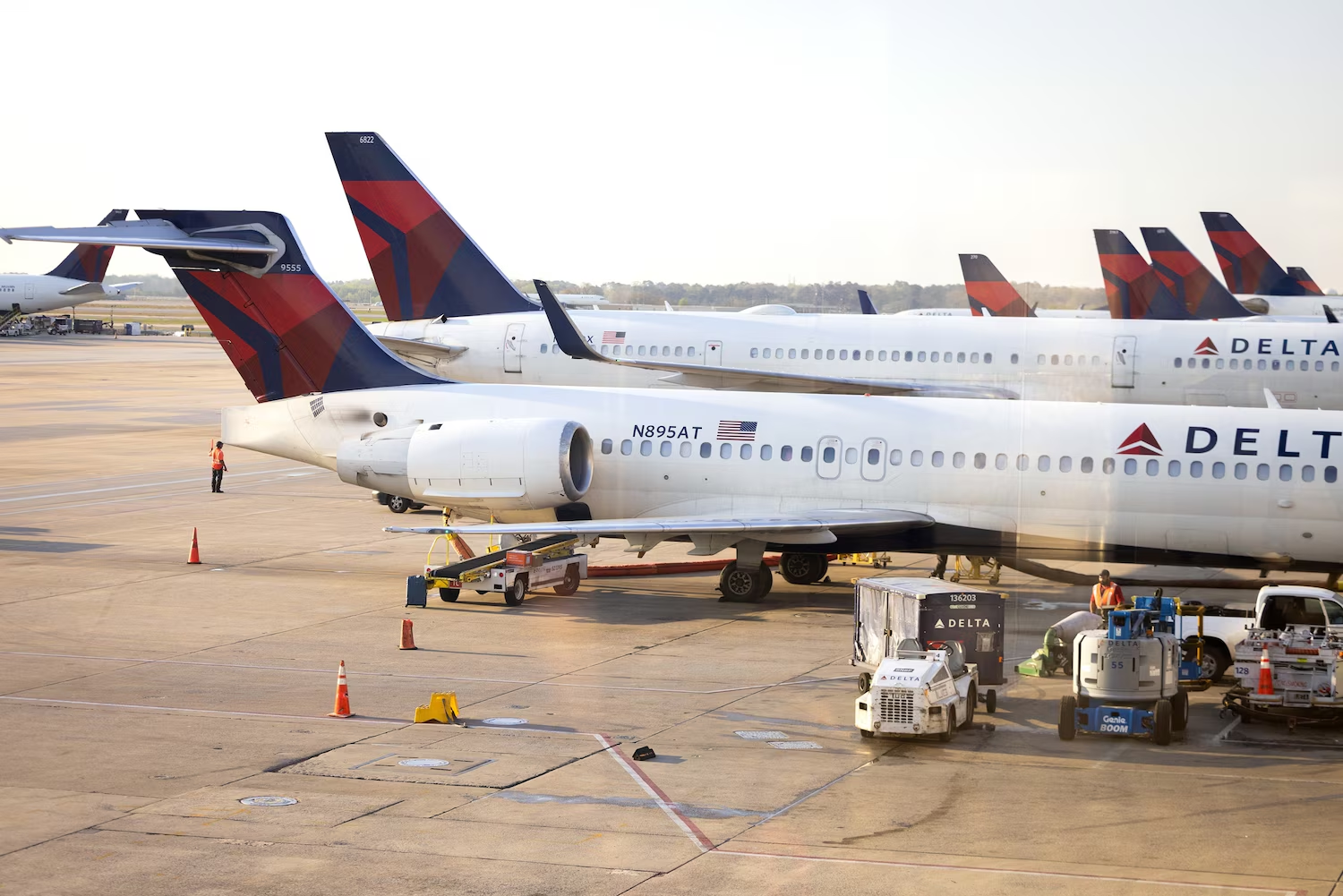
Delta Air Lines suspends specialty services for members of Congress as the federal government shutdown continues to impact aviation. This decision marks a significant shift in how the Atlanta-based carrier manages its elite legislative travelers during a crisis. The airline cited massive resource constraints stemming from the ongoing partial shutdown as the primary reason for this move. Security lines at major hubs like Atlanta have reached record lengths due to critical staffing shortages at the TSA. Delta officials stated that their top priority remains the safety and care of regular customers and employees. Members of Congress will now have to navigate airports like ordinary citizens without special escorts or red coat assistance. The airline emphasized that managing these premium perks has become increasingly difficult in the current operational environment. This suspension will remain in effect until federal funding is restored and airport operations return to normal levels. Travelers and political analysts are closely watching how this affects the travel schedules of lawmakers, as noted by the Baltimore Chronicle.
Impact on congressional travel and airport logistics
The suspension specifically targets high-touch services that lawmakers have traditionally relied on to expedite their transit through busy terminals. Elite airport escorts who guide representatives through security and boarding will no longer be available for these specific travelers. Red coat services which provide personalized gate assistance and troubleshooting are also being redirected to help general passengers. Despite these cuts, Delta confirmed that the Capital Desk reservations line will remain operational for booking needs. Lawmakers will now be treated based strictly on their individual SkyMiles status without additional legislative privileges. This means a member of Congress without high-tier loyalty status will wait in the same lines as everyone else.
Operational changes affecting legislative travelers at Delta:
- Suspension of personalized airport escorts at all domestic hubs.
- Removal of red coat concierge services for congressional delegations.
- Strict adherence to standard SkyMiles loyalty status for seating and upgrades.
- Redirection of staff resources to manage general passenger security delays.
- Continued access to the Capital Desk for ticketing and reservation management.
- Expected increase in transit times for lawmakers moving through Hartsfield-Jackson.
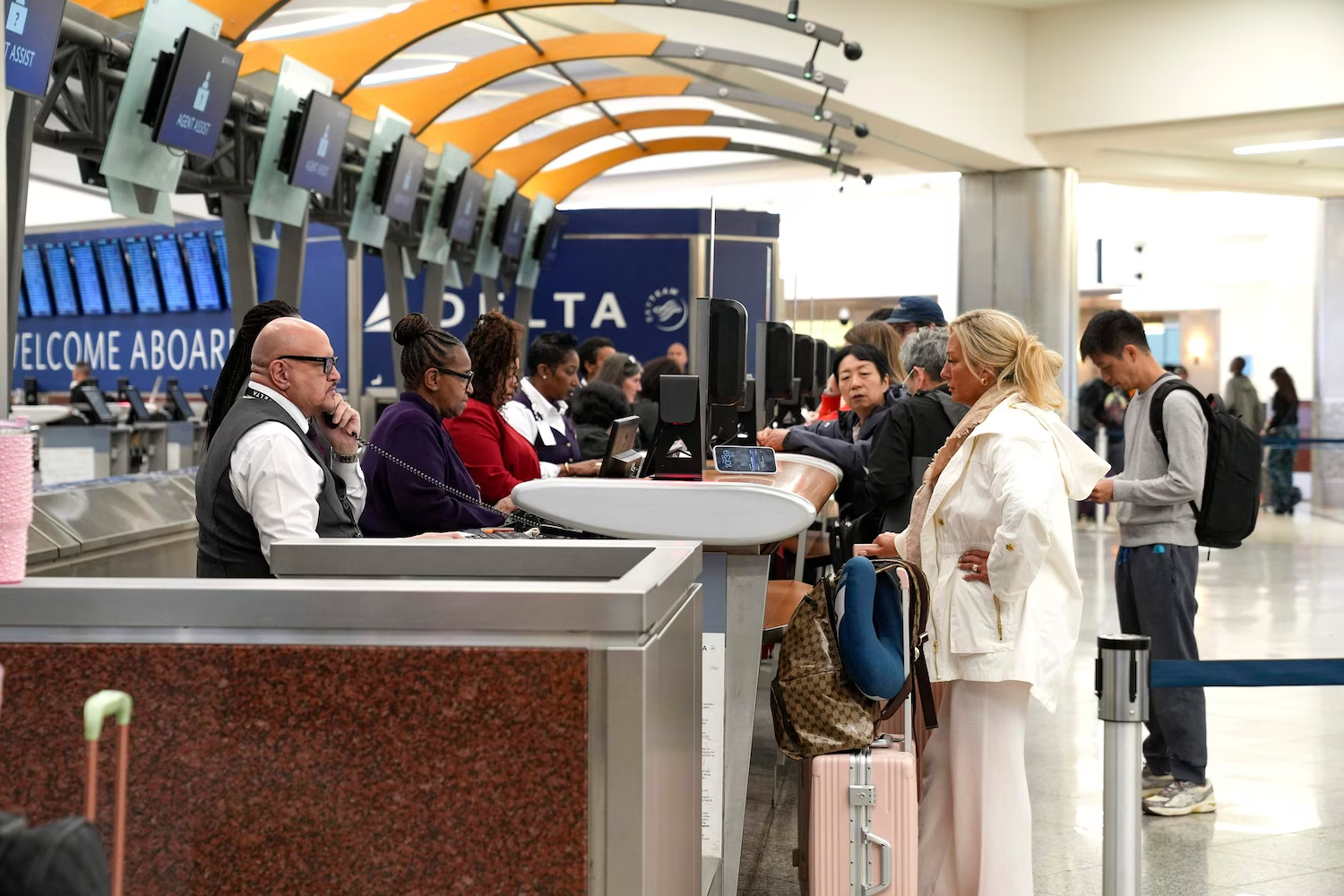
These measures reflect the growing strain on the entire aviation ecosystem during the 2026 government shutdown. Delta is the first major carrier to publicly announce such a specific policy change regarding federal officials. The move comes at a time when TSA officer callouts have reached new highs across the country. Many travelers in Atlanta and Washington D.C. have reported security wait times exceeding 90 minutes. Airline staff are currently focused on maintaining basic flight schedules and ensuring passenger safety during peak hours. The industry is collectively urging Congress to resolve the funding dispute to avoid further service disruptions.
Aviation industry response to the federal funding crisis
Delta is not the only airline feeling the pressure of the current political and economic standoff in Washington. While Delta has been the most vocal about service suspensions, other carriers are closely monitoring their own staffing. American Airlines has yet to confirm if they will follow Delta in cutting specialty perks for lawmakers. A spokesperson for United Airlines indicated they have no specific policy changes to share at this time. Southwest Airlines has taken a different approach by focusing on direct engagement with federal partners. They are joining a coalition of industry leaders calling for immediate TSA and CBP funding.
Current status of major US carriers during the shutdown:
| Airline | Congressional Services | Official Public Stance |
| Delta Air Lines | Suspended | Prioritizing safety and regular customers |
| American Airlines | Active | Reviewing resource allocation |
| United Airlines | Active | No changes shared at this time |
| Southwest Airlines | Not Applicable | Urging Congress to fund TSA and CBP |
| JetBlue | Active | Monitoring airport security wait times |
The lack of funding for TSA agents has led to a chaotic environment at major international gateways. President Donald Trump has suggested sending the National Guard to assist at airports as ICE agents deploy. This unusual move highlights the severity of the staffing crisis within the Department of Homeland Security. Airlines are worried that prolonged wait times will lead to a decrease in ticket sales for the spring season. Many business travelers are already canceling trips to avoid the unpredictability of airport security. Industry experts suggest that the 2026 shutdown could cost the aviation sector billions in lost revenue if not resolved.
Future of airport security and legislative perks
The current crisis raises questions about whether these specialty services for Congress will ever return in their original form. Some consumer advocacy groups argue that lawmakers should always travel under the same conditions as their constituents. Delta’s move is seen by some as a tactical pressure point to encourage a faster resolution to the shutdown. By making travel less convenient for those in power, the airline highlights the daily struggles of the public. The suspension of red coat services is particularly notable as these are often the most visible perks. Lawmakers will now experience firsthand the impact of TSA staffing shortages they are currently debating.
Steps for travelers navigating airports during the ongoing shutdown:
- Arrive at the terminal at least 3 hours before domestic departures.
- Monitor airline apps for real-time gate changes and boarding updates.
- Utilize TSA PreCheck or CLEAR if available to mitigate line lengths.
- Pack light to avoid checked bag delays at understaffed counters.
- Check the status of the Capital Desk if traveling on official business.
- Remain patient with airline staff who are managing increased workloads.
As the shutdown enters its second month, the resilience of the US aviation infrastructure is being tested. Delta Air Lines maintains that their focus will remain on the millions of daily travelers who pay for their tickets. The company has not provided a specific date for when specialty services might be restored for Congress. Much depends on the legislative progress made in the coming weeks regarding the federal budget. Until then, the halls of Hartsfield-Jackson will see senators and representatives standing alongside the very people they represent. This temporary equalization of travel may serve as a significant reminder of the real-world consequences of political gridlock.
Earlier we wrote that Iran Displays Spanish PM Pedro Sánchez on Missile After Spain Blocks US Strikes, March 2026