

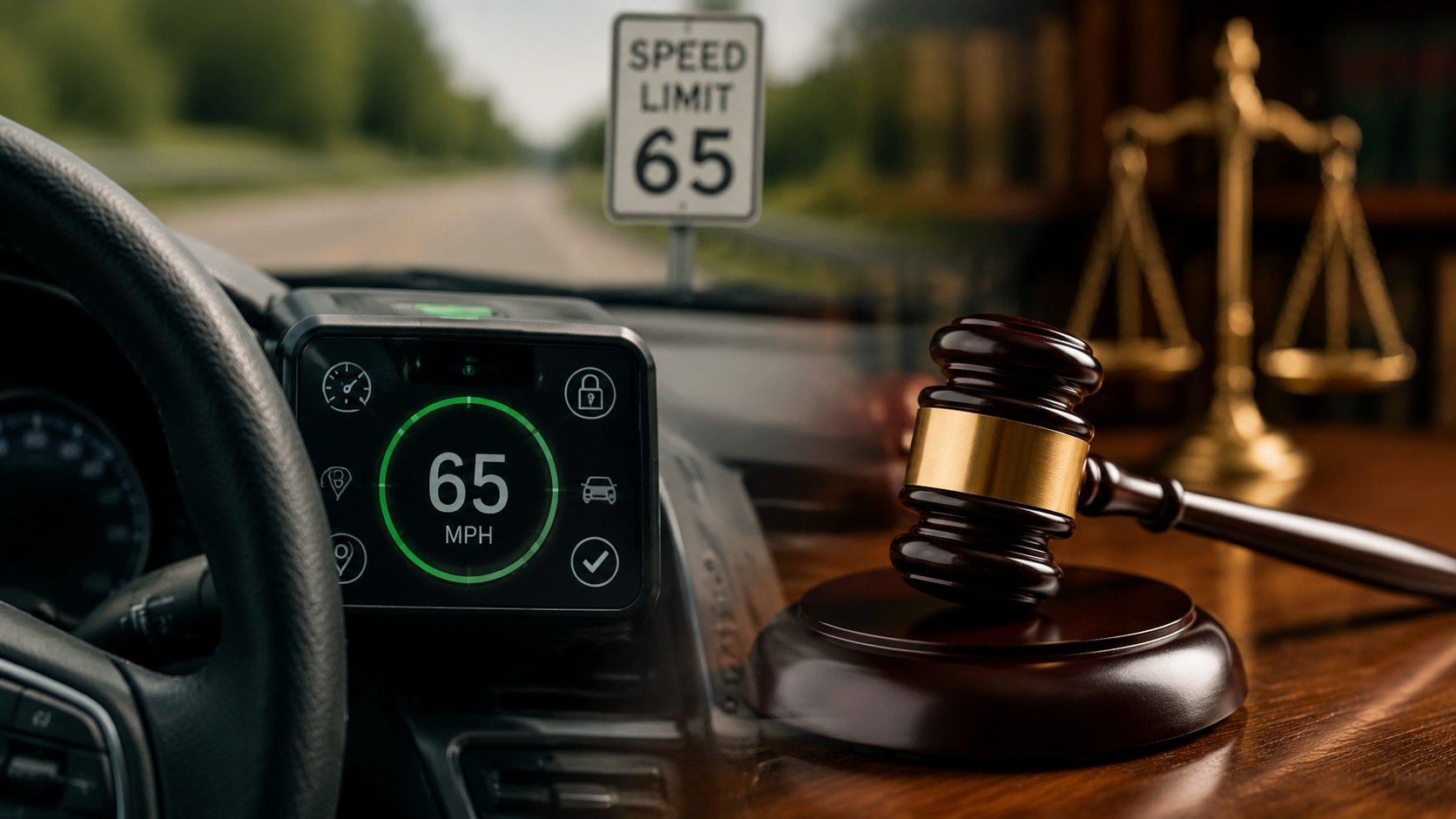
Repeat speeders in Maryland will now face electronic monitoring before regaining driving privileges under the new law, aimed at enhancing road safety. This measure, outlined in Senate Bill 366, introduces the Intelligent Speed Assistance System Pilot Program, requiring drivers with suspended or revoked licenses due to repeated speeding to participate in electronic monitoring, як зазначає редакція Baltimore Chronicle. The program echoes previous measures for DUI offenders, using technology to ensure compliance with traffic laws.
How the Intelligent Speed Assistance System works
The system employs GPS and onboard sensors to prevent vehicles from exceeding posted speed limits. Drivers enrolled in the program will have their speed monitored continuously. The technology is designed to reduce the risk of repeat offenses while allowing authorities to track compliance in real time. This approach draws parallels to Ignition Interlock Devices used for alcohol-related offenses.
Program requirements and participation
To regain their license, repeat speeders must enter the pilot program. Enrollment ensures that drivers demonstrate commitment to safer driving before being allowed back on public roads. Families for Safe Streets in Baltimore emphasize the community benefits, as Amril Hamer notes, “These are our communities. We have residents, we have children, we have seniors who live in our communities. So having someone who’s a super-speeder, that’s unacceptable.”
Legislative approval and opposition
The bill passed in the State Senate with a 37-8 vote. Senator Justin Ready voiced concerns about government oversight, stating, “It’s easy to say, if we just could regulate this a little more, or if we could just have the government watch you a little more we’d be a little safer. Well, I think there has to be a little push-pull there.” His opposition highlights the ongoing debate between technological enforcement and personal freedom.

Implementation timeline and pilot details
The law takes effect on October 1, 2026, with full implementation expected by October 1, 2027. The pilot program is scheduled to continue through June 30, 2031, allowing lawmakers to assess its effectiveness. Authorities anticipate that monitored drivers will show a measurable reduction in repeat speeding incidents.
Before the program begins, drivers will undergo installation of speed-assist devices in their vehicles. These devices are calibrated to automatically adjust vehicle performance to comply with speed limits.
Key features of the monitoring program:
- GPS-enabled sensors prevent exceeding posted speed limits.
- Continuous speed monitoring ensures compliance.
- Enrollment is mandatory for license reinstatement.
- Data collected can be reviewed by authorities for safety evaluations.
This structured approach aims to balance driver accountability with road safety, providing a clear framework for handling repeat offenses in Maryland.
| Program aspect | Details |
|---|---|
| Eligibility | Drivers with suspended or revoked licenses for speeding |
| Device type | Intelligent Speed Assistance sensors |
| Monitoring | Real-time speed tracking via GPS and vehicle sensors |
| Duration | Pilot program through June 30, 2031 |
| Implementation dates | Law effective Oct 1, 2026; full program by Oct 1, 2027 |
Authorities expect that data from the pilot program will inform future legislation, potentially expanding electronic monitoring to other high-risk driving behaviors.
Community impact and safety expectations
Local advocacy groups stress that this program will directly benefit residents. Children, seniors, and everyday commuters will experience safer roads. Communities that previously struggled with high-speed violations may see a decline in accidents and traffic injuries.
Compliance challenges:
- Some drivers may resist device installation.
- Technological malfunctions could affect monitoring.
- Continuous enforcement requires resources and oversight.
Despite these challenges, law enforcement agencies express confidence in the system’s ability to deter repeat speeding. Early reports from other jurisdictions using similar technologies suggest significant reductions in high-risk driving behaviors.
Earlier we wrote that Maryland Civic Excellence Seal Approved: Students Can Earn New Diploma Recognition by 2028