

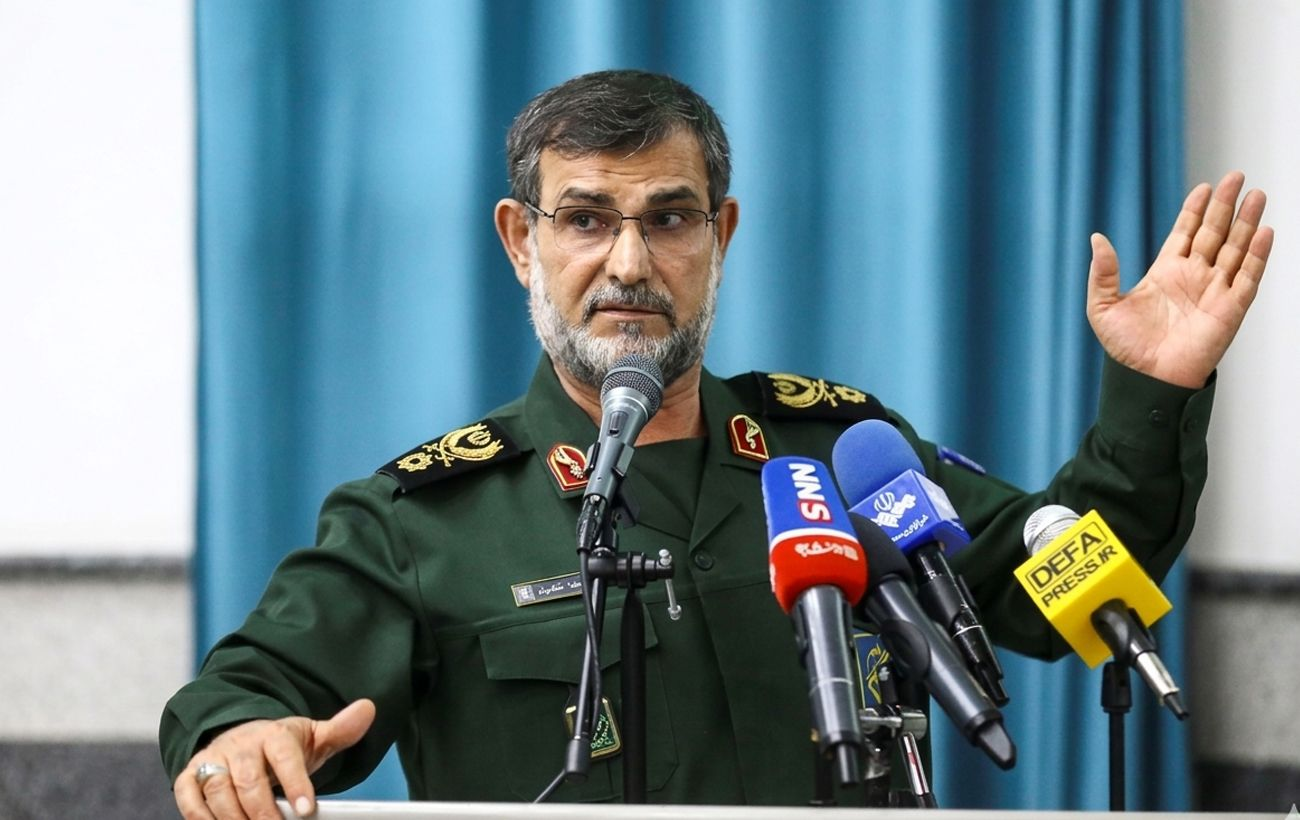
Alireza Tangsiri, the high-ranking admiral of the Islamic Revolutionary Guard Corps Navy, has reportedly been killed today. This significant event occurred during a precision airstrike in the southern Iranian port city of Bandar Abbas. Local reports suggest the attack targeted a strategic facility overlooking the vital Strait of Hormuz waterway. Admiral Tangsiri was widely recognized as the primary architect behind Iran’s plans to close this maritime corridor. His leadership within the IRGC Navy defined the recent escalations in the Persian Gulf and surrounding regions. The strike took place on March 26, 2026, marking a major turning point in Middle Eastern geopolitics. Initial reports from Israeli sources indicate that the operation specifically aimed to degrade Iran’s naval command structure. Neither the Iranian government nor the Israeli military has issued an official confirmation of the results yet. Detailed information regarding the operational impact of this event is being monitored by the Baltimore Chronicle via Times of Israel.
Strategic impact of the Bandar Abbas airstrike
The elimination of such a high-profile military figure creates a massive power vacuum within the Iranian naval forces. Bandar Abbas serves as the main base for the IRGC Navy and a gateway to global energy markets. Admiral Tangsiri was the driving force behind the aggressive stance taken by Iran against international shipping lanes. His removal suggests a coordinated effort to prevent the imminent closure of the Strait of Hormuz. International oil prices have already shown volatility following the news of the explosion in the port city. Military analysts believe that Tangsiri was personally coordinating the deployment of fast attack boats and naval mines. The timing of the strike coincides with increased threats from Tehran regarding new transit fees for tankers.
Key facts about the incident and the targeted officer:
- Target name: Admiral Alireza Tangsiri, Commander of the IRGC Navy.
- Location of strike: Bandar Abbas, a key southern port city in Iran.
- Date and time: March 26, 2026, at approximately 11:37 AM.
- Strategic role: Responsible for the tactical planning of the Hormuz blockade.
- Reported source: Official Israeli statement cited by Times of Israel.
- Potential weaponry: Precision-guided munitions deployed via unidentified aircraft.
- Status of confirmation: Awaiting official statements from Tehran and Tel Aviv.
The fallout from this operation could lead to immediate retaliatory measures from the remaining IRGC leadership. Security around the Strait of Hormuz has been raised to the highest level by international maritime task forces. Ships currently navigating the region are advised to maintain strict communication with naval escorts and coastal authorities. The loss of Tangsiri might delay Iran’s technical capabilities to execute a full blockade in the short term. However, the ideological commitment of the Revolutionary Guard to controlling the strait remains a persistent global concern. Diplomatic channels are currently working to prevent a wider escalation into a direct state-on-state conflict.
The geopolitical importance of the Strait of Hormuz
The Strait of Hormuz remains the most sensitive chokepoint in the world for the global energy trade. Approximately 20% of the world’s liquid petroleum passes through this narrow stretch of water every single day. Admiral Tangsiri repeatedly used the threat of closing the strait as a tool for political leverage against the West. His strategies involved the use of asymmetric warfare techniques and sophisticated missile systems along the Iranian coastline. The port of Bandar Abbas is the heart of this military infrastructure and houses the most advanced naval assets. Any disruption in this area sends immediate shockwaves through the global economy and industrial sectors.
Strategic significance of the maritime region:
| Feature | Description | Global Impact |
| Daily Oil Flow | Over 20 million barrels per day | Critical for global energy price stability |
| Geographic Width | Only 33 kilometers at its narrowest point | Easy to block with minimal military force |
| Naval Presence | Home to the IRGC Navy headquarters | High risk of localized military skirmishes |
| Shipping Routes | Main path for LNG from Qatar to Europe | Essential for heating and power generation |
The international community has long viewed Tangsiri as a destabilizing force in the Gulf of Oman and beyond. His death could force a reassessment of Iran’s maritime strategy in the coming weeks and months. Experts suggest that the IRGC may now face internal scrutiny regarding their security protocols at major naval bases. The strike proves that even the most protected military leaders in Iran are vulnerable to intelligence-led operations. Many regional neighbors are watching the situation with a mix of relief and intense caution regarding the response. The next few days will be crucial in determining if this leads to a temporary de-escalation.
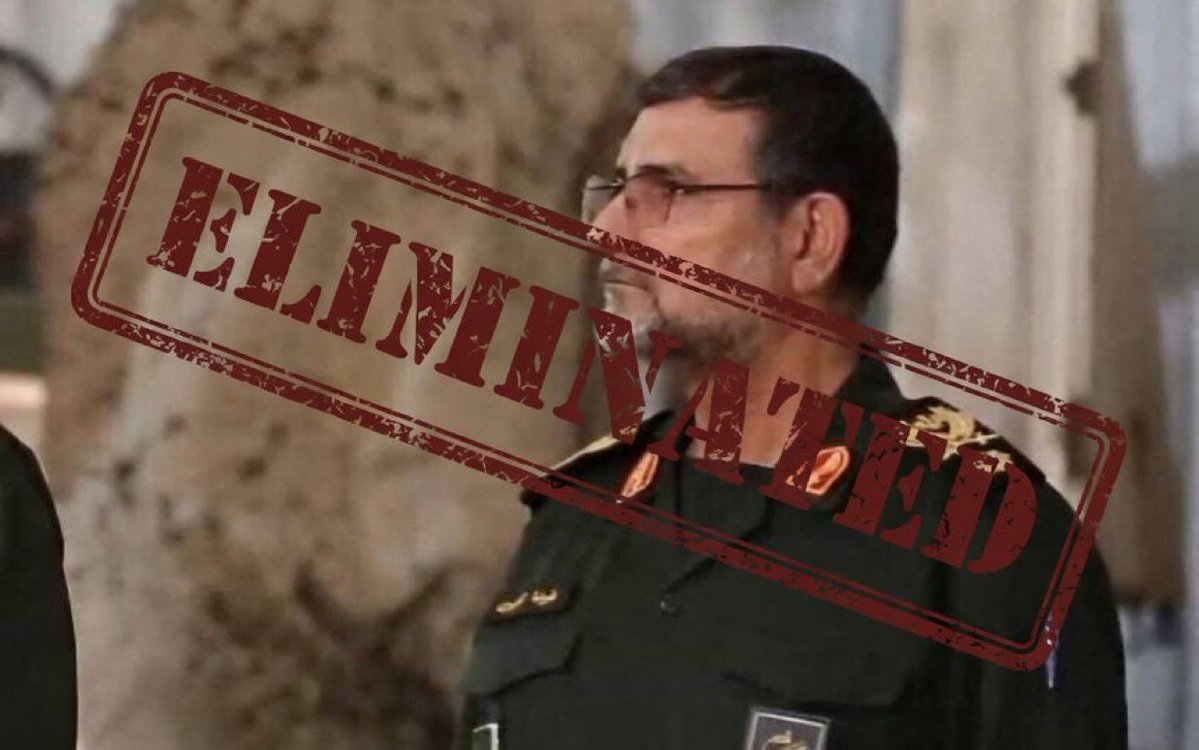
Future outlook for Iranian naval operations
With the commander of the IRGC Navy gone, the operational readiness of their specialized units may be compromised. Replacing a figure like Tangsiri requires finding a leader with both political loyalty and deep technical expertise. The Iranian regime typically promotes from within the ranks of the IRGC to ensure ideological continuity at all levels. We may see a period of increased patrolling and military exercises as a show of remaining strength. Navies from the United States, United Kingdom, and France are likely to increase their presence in the region. Their primary goal is to ensure that the Strait of Hormuz remains open to all commercial traffic.
Steps for international maritime security moving forward:
- Increased satellite surveillance of Iranian ports and missile launch sites.
- Enhanced coordination between the International Maritime Security Construct and local partners.
- Implementation of new cyber defense protocols for commercial tankers in the Gulf.
- Diplomatic pressure on regional intermediaries to facilitate a de-escalation of tensions.
- Preparation of emergency energy reserves to mitigate potential supply chain disruptions.
- Strengthening the defense systems of merchant vessels against drone and mine attacks.
The death of Alireza Tangsiri marks the end of an era for the IRGC Navy’s current leadership style. His aggressive rhetoric was often backed by tangible military moves that threatened the global economic order. While his removal is a setback for Iranian regional ambitions, the underlying tensions remain largely unresolved. Observers must wait to see how the Supreme Leader chooses to respond to this direct blow. The stability of the Persian Gulf hangs in a delicate balance as the world watches Bandar Abbas. Information continues to emerge as intelligence agencies analyze the aftermath of the high-precision strike.
Earlier we wrote that US views Iran’s parliament speaker as potential leader: will the Venezuelan model work and who is Mohammad Baqer Qalibaf?