

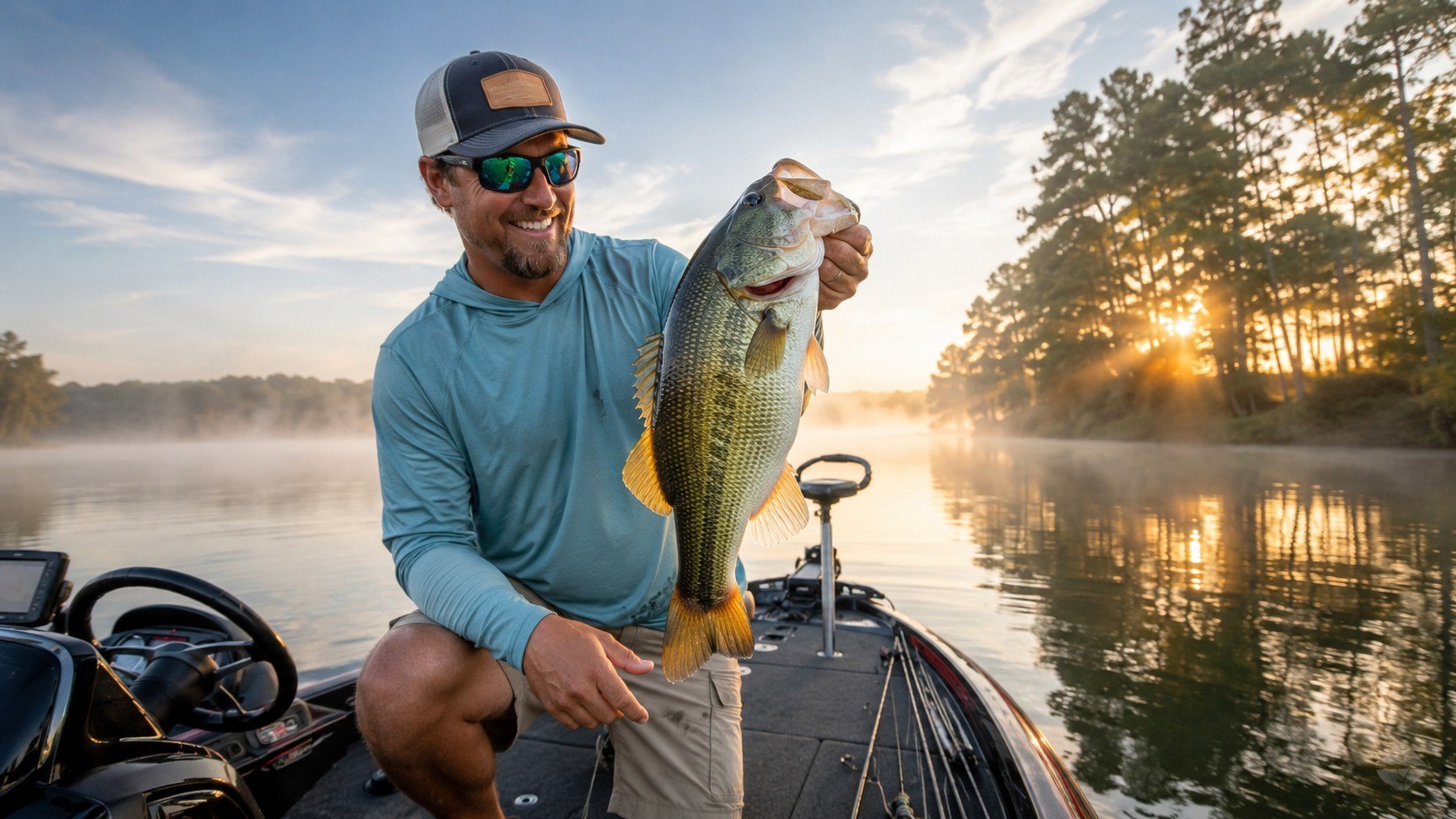
Fishing calendar for July 2026 in the USA begins with warm water, longer daylight, and changing feeding patterns. Bass move toward deeper cover, trout seek cooler water, and many saltwater species feed near tidal structure. Moon phases can help anglers select promising periods, but weather, water temperature, pressure, and local regulations remain decisive, as noted by the Baltimore Chronicle.
July demands an early alarm. In many regions, the strongest freshwater bite develops before sunrise and weakens after the surface warms. Evening fishing can recover during the final 90 minutes before darkness.
The lunar cycle offers another planning tool. The New Moon arrives on July 14, while the Full Buck Moon falls on July 29. These periods may strengthen tides and extend feeding windows, especially near coastal passes, estuaries, and tidal rivers.
Fishing Calendar for July 2026 by Date
The following forecast combines lunar phases, traditional solunar patterns, and typical midsummer fish behavior. Ratings apply broadly across the United States. Local conditions can completely change the result.
| Dates | Moon phase | Fishing outlook | Recommended strategy |
|---|---|---|---|
| July 1–3 | Waning gibbous | Good | Fish before sunrise or after sunset |
| July 4–6 | Waning gibbous | Moderate | Target shade, current, and deeper structure |
| July 7–8 | Last quarter | Good | Work moving baits during changing light |
| July 9–11 | Waning crescent | Very good | Focus on dawn, nighttime, and tidal movement |
| July 12–13 | Waning crescent | Excellent | Prepare for stronger New Moon activity |
| July 14–15 | New Moon | Excellent | Fish dark hours and major tide changes |
| July 16–18 | Waxing crescent | Very good | Cover water near feeding flats and weed edges |
| July 19–20 | Waxing crescent | Good | Slow presentations during afternoon heat |
| July 21–22 | First quarter | Moderate | Follow windblown banks and oxygenated water |
| July 23–25 | Waxing gibbous | Good | Try evening topwater and offshore structure |
| July 26–28 | Waxing gibbous | Very good | Expect longer feeding periods near moonrise |
| July 29 | Full Moon | Excellent | Prioritize nighttime and dawn sessions |
| July 30–31 | Waning gibbous | Very good | Fish early, then move deeper after sunrise |
The strongest general periods fall around July 12–16 and July 26–31. Coastal anglers should compare these dates with local tide predictions. Freshwater anglers should monitor temperature changes after storms.
A favorable lunar rating does not guarantee active fish. A cold front, muddy runoff, algae bloom, or falling oxygen can suppress feeding. Stable weather usually provides more predictable action than a single lunar event.
The University of Arizona lunar calendar places the Last Quarter around July 7–8. It identifies the New Moon on July 14–15 and the Full Moon on July 29. Exact timing may differ by location and time zone.
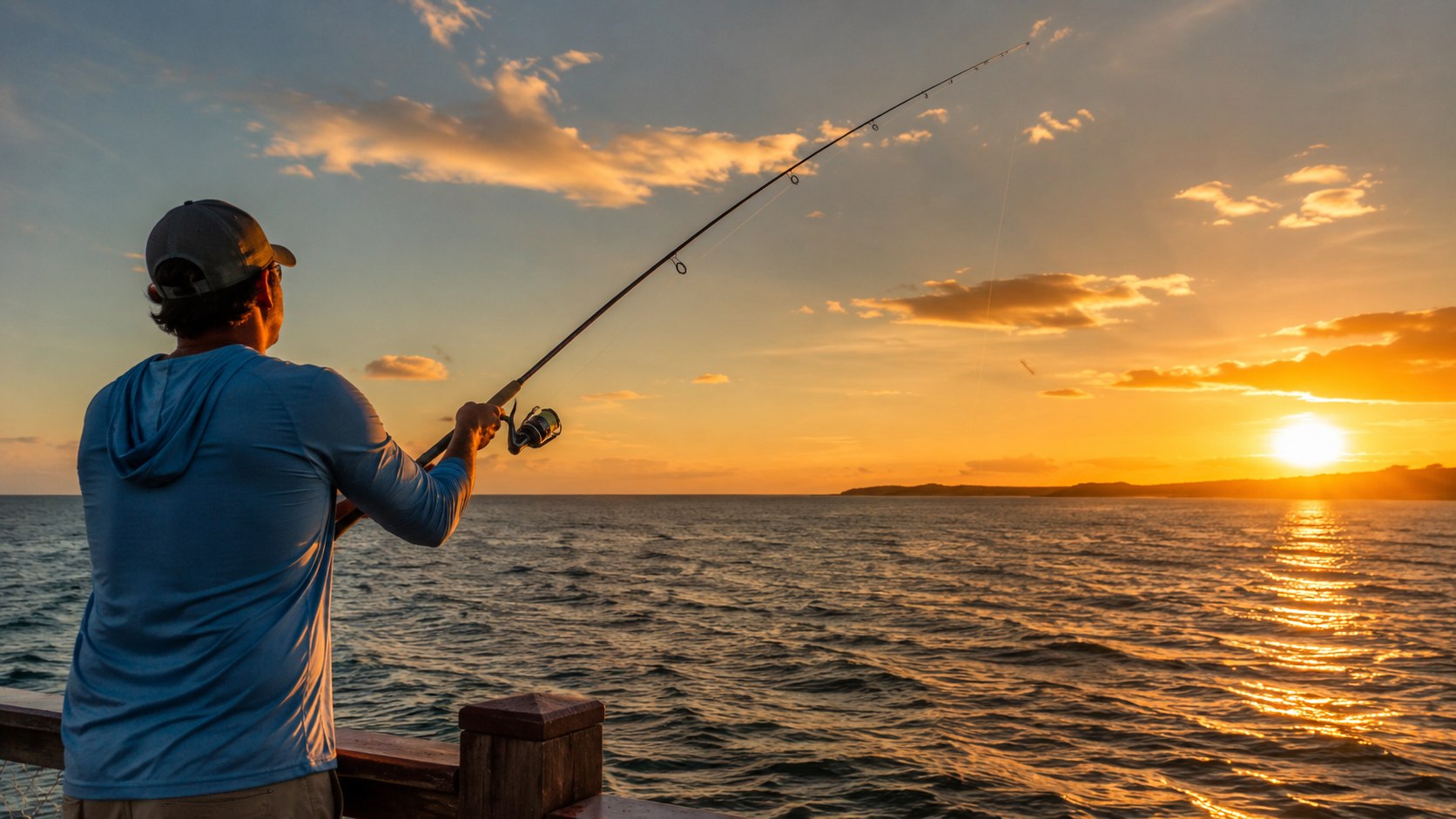
Best Fishing Times During July
July fishing usually improves during low-light periods. Predators gain confidence when shadows lengthen, while prey species move closer to accessible feeding areas.
The most practical daily windows are:
- From 45 minutes before sunrise until 2 hours afterward
- During the final 2 hours before sunset
- Around moonrise and moonset
- During an incoming or outgoing tide
- After a short summer storm, when conditions remain safe
- At night during the New Moon and Full Moon periods
These windows should guide planning, not dictate it. Exact solunar hours depend on latitude and longitude. A schedule calculated for Florida will not match one for Oregon or Michigan.
Wind can also create productive conditions. A moderate breeze pushes plankton and baitfish toward windblown banks. Predators often follow them. Strong winds may instead make boat control unsafe.
Barometric stability matters throughout July. A gradual pressure change can support feeding. A sharp post-front rise often produces clear skies and cautious fish.
July Fishing Strategy Across the United States
Regional differences become especially important during midsummer. The same lure and schedule will not work from Maine to Arizona.
In the Northeast, striped bass often become more active at night or before sunrise. Largemouth bass may settle near grass lines, docks, submerged timber, and deeper rock.
Across the Midwest, walleye frequently move toward deeper breaks during daylight. Low-light trolling can remain effective. Northern pike seek cooler, oxygen-rich water when shallow bays become hot.
Southern anglers should focus on shade, current, vegetation, and deeper channels. Reservoir fish may suspend above creek beds or follow schools of shad.
Western trout fishing can remain productive in higher elevations. Lower rivers may become too warm during afternoons. Anglers should avoid stressing trout when water temperatures reach dangerous levels.
Saltwater plans must match both tides and legal seasons. NOAA publishes federal rules covering seasons, size limits, and possession limits. State agencies can impose different requirements.
“Regulations may change at any point during the year,” NOAA Fisheries states in its recreational guidance.
Check rules again on the fishing day. Never rely only on a saved screenshot or an older printed guide.
Best Species to Target in July
Summer creates many opportunities, but target species differ sharply by region.
Freshwater anglers can pursue:
- Largemouth bass near grass, docks, ledges, and shaded timber
- Smallmouth bass around rock, current, and deeper structure
- Walleye along breaks, reefs, and suspended bait schools
- Catfish in channels, holes, and current-fed areas
- Trout in cool rivers, spring creeks, and high-elevation lakes
- Crappie near brush piles and submerged cover
Saltwater anglers may find striped bass, fluke, black sea bass, bluefish, mackerel, redfish, snook, and several snapper species. Legal availability depends on location.
NOAA’s 2026 measures allow states or regions to establish specific summer flounder and black sea bass limits. Anglers must therefore consult the agency responsible for their fishing location.
Atlantic cod rules illustrate why checking matters. NOAA lists a September opening in one Gulf of Maine management area, while retention remains prohibited elsewhere. July fishing for that species may therefore be restricted.
How to Improve Your July Catch Rate
Successful July fishing usually depends on temperature management. Fish seek comfortable water, oxygen, prey, and protection from strong light.
Start with these practical steps:
- Measure water temperature instead of guessing
- Begin fishing before sunrise
- Locate bait before choosing a lure
- Follow shade as the sun rises
- Search current and oxygenated water
- Reduce lure size during difficult conditions
- Carry extra drinking water and sun protection
- Release heat-stressed fish quickly
After sunrise, examine deeper water near productive shallow areas. Fish often move vertically rather than leaving the entire location. A nearby drop-off can hold the same school.
Handle fish with wet hands. Keep them in the water whenever possible. Prepare pliers and cameras before lifting the catch.
Trout deserve special caution. Warm water reduces oxygen and raises release mortality. Stop fishing when conditions threaten safe recovery.
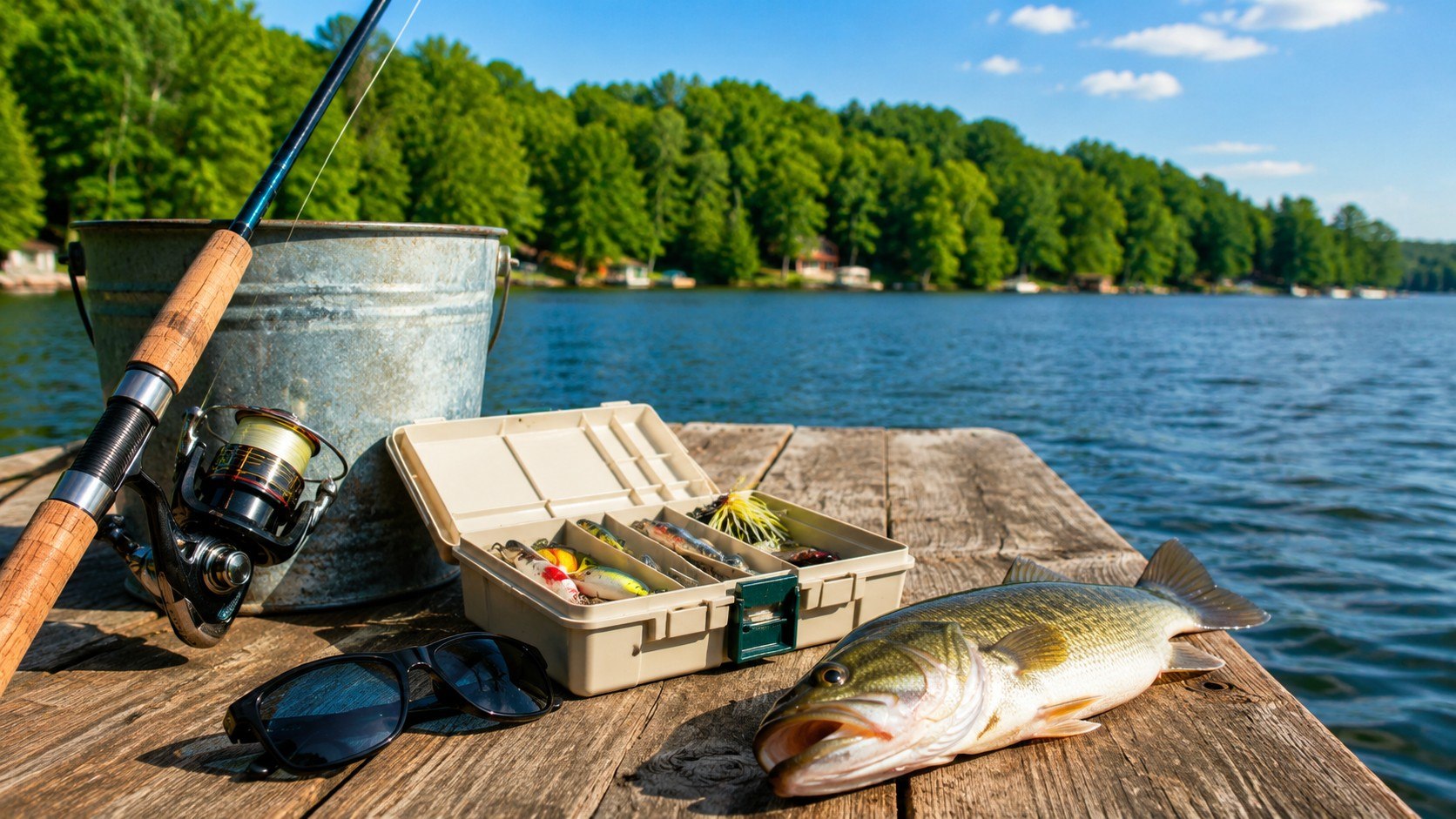
Safety and Legal Checks Before Every Trip
A fishing calendar cannot replace preparation. July heat, thunderstorms, boating traffic, and changing water levels create real hazards.
Check the weather forecast and marine warnings. Tell someone where you will fish and when you expect to return. Carry more water than you believe necessary.
Every angler should verify:
- State fishing license requirements
- Species-specific open seasons
- Minimum and maximum size limits
- Daily possession limits
- Protected areas and gear restrictions
- Boat registration and safety equipment
- Federal rules for offshore waters
Federal waters can begin beyond state jurisdiction, depending on the coast. NOAA notes that Gulf federal waters extend from the state boundary to 200 miles offshore.
Rules can change during a season after quotas are reached. Always use the current state agency page, NOAA guidance, or an approved regulations application.
FAQ
What are the best fishing days in July 2026?
The strongest general periods are July 12–16 and July 26–31. July 14 and July 29 mark major lunar events.
When is the New Moon in July 2026?
The New Moon occurs on July 14. Some calendars may show July 15 because of time-zone differences.
When is the Full Moon in July 2026?
The Full Buck Moon occurs on July 29. It may improve nighttime visibility and strengthen coastal tidal movement.
Is fishing always better during a Full Moon?
No. Fish may feed heavily overnight and become less active after sunrise. Weather and water conditions often matter more.
What is the best time to fish during July?
Fish from 45 minutes before sunrise through the next 2 hours. Evening and nighttime periods can also perform well.
Which fish are active in the USA during July?
Common targets include bass, walleye, catfish, crappie, trout, striped bass, redfish, fluke, bluefish, and black sea bass.
Does the zodiac sign guarantee a better catch?
No. Zodiac signs belong to traditional lunar fishing systems. They should support, not replace, local observations and scientific conditions.
Where should anglers check current fishing regulations?
Use the relevant state wildlife agency and NOAA Fisheries for federally managed waters.
Earlier we wrote that Comcast Will Spin Off NBCUniversal and Sky Into a New Public Company