

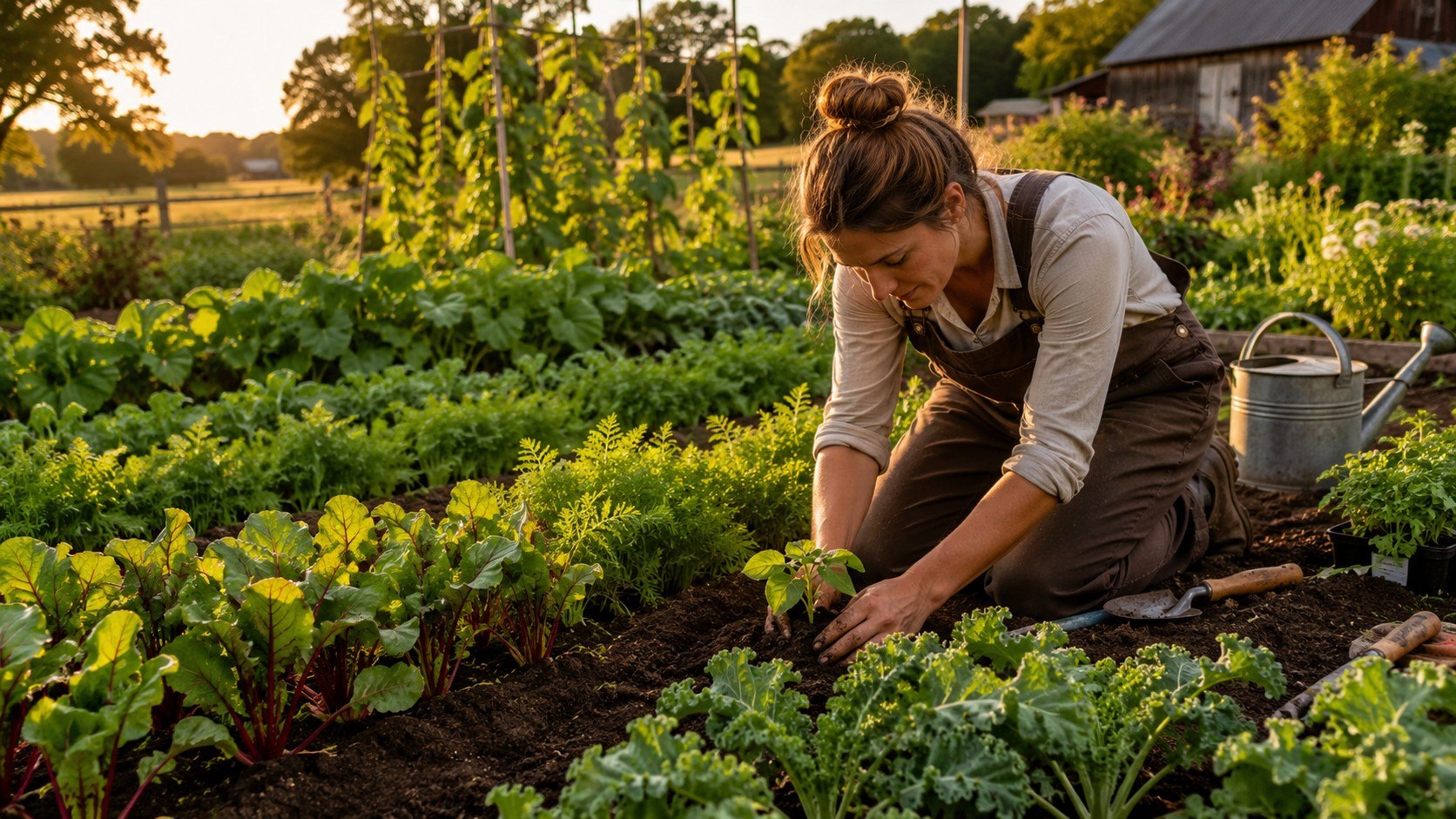
July 2026 planting calendar for the USA helps gardeners use midsummer beds for a second harvest. July is suitable for beans, root vegetables, leafy greens, herbs, and fall brassicas. Exact planting dates depend on the first frost, local heat, rainfall, and crop maturity, as reported by the Baltimore Chronicle.
The United States includes several sharply different growing regions. Gardeners in Minnesota may already be planning for autumn frost. Growers in Florida or Texas may be waiting for extreme heat to weaken.
A successful July garden starts with realistic timing. Each crop needs enough days to germinate, grow, and mature before cold or severe heat arrives. Local weather should always matter more than a national planting chart.
What to Plant in July 2026
July planting usually focuses on crops with short maturity periods. Cool-season vegetables can also be started for an autumn harvest.
Suitable crops include:
- bush beans;
- beets;
- carrots;
- radishes;
- turnips;
- cucumbers;
- summer squash;
- kale;
- Swiss chard;
- collard greens;
- arugula;
- cilantro;
- dill.
Broccoli, cabbage, cauliflower, and Brussels sprouts often perform better as transplants. Their seeds can struggle in hot surface soil. Start them indoors or under shade cloth before moving them outside.
Days to maturity printed on seed packets are only a starting point. Cooler autumn weather slows plant growth. Gardeners should usually add 7–14 days when calculating the final sowing date.
Moisture is also critical. Newly planted seeds can die after several hours in dry, overheated soil. Keep the upper layer consistently damp until seedlings become established.
July 2026 Planting Schedule by U.S. Region
Regional climate matters more than the calendar date alone. Elevation, coastal influence, urban heat, and local rainfall can change planting windows within one state.
| U.S. region | Crops to plant in July | Recommended timing |
|---|---|---|
| Northeast | carrots, beets, radishes, kale, broccoli | Early to mid-July |
| Upper Midwest | turnips, carrots, beets, chard, fall greens | Mainly early July |
| Mid-Atlantic | beans, cucumbers, squash, collards, carrots | Early through mid-July |
| Southeast | cowpeas, okra, squash, collards, pumpkins | Plant around rainfall |
| Gulf Coast | southern peas, peppers, eggplant, fall seedlings | Follow county guidance |
| Pacific Northwest | lettuce, kale, beets, carrots, cilantro | Throughout July |
| Mountain West | radishes, turnips, spinach, hardy greens | Early July is safest |
| Southwest deserts | brassica seedlings, herbs, fall transplants | Start under shade |
| Coastal California | beans, chard, carrots, basil, beets | Depends on microclimate |
| Alaska | radishes, baby greens, turnips | Very early July |
| Hawaii | beans, cucumbers, herbs, leafy greens | Adjust for rainfall |
This schedule describes broad regional patterns. It does not replace county-level recommendations. Coastal valleys may remain cool while inland areas experience dangerous heat.
Morning planting reduces stress on transplants. Evening planting also works when the bed is watered immediately. Avoid planting during the hottest part of the day.
Gardeners should check their local Cooperative Extension calendar. These services provide planting recommendations based on county climate and frost history.
July 1–7: Fast Crops and Root Vegetables
The first week of July is the most important period for northern states. Gardeners still have time to sow several crops before autumn frost.
Good options include carrots, beets, bush beans, turnips, radishes, and Swiss chard. Choose varieties with short maturity periods. Carrots needing 60 days are safer than varieties needing 90 days.
Prepare seedbeds carefully. Remove weeds, break surface crusts, and add finished compost. Do not use fresh manure around root vegetables.
Carrot and beet rows must remain moist until emergence. A thin fabric cover can reduce evaporation. Remove it as soon as seedlings appear.
Southern gardeners may plant cowpeas, okra, and heat-tolerant squash. However, extreme temperatures can reduce germination. Plant after rainfall or irrigate the bed before sowing.
July 8–14: Beans, Cucumbers, and Summer Squash
Mid-July can still support fast warm-season crops in many regions. Bush beans are among the most practical choices.
Most bush bean varieties mature within 45–60 days. They need warm soil, regular moisture, and at least 6 hours of sunlight. Pole beans usually require more time.
Cucumbers can also produce before autumn. Select compact or early-maturing varieties. Gardeners in colder regions should avoid long-season types.
Suitable crops for this period include:
- bush beans;
- pickling cucumbers;
- zucchini;
- yellow summer squash;
- Swiss chard;
- fast radishes;
- dill;
- basil transplants.
After planting, inspect the bed every morning. Summer soil can dry before roots develop. Water gently to avoid washing small seeds away.
Do not overfertilize beans. Excess nitrogen produces dense leaves but fewer pods. Compost-rich soil is often enough for a short summer crop.
July 15–21: Start the Fall Garden
The second half of July marks the start of fall planting across much of the country. Gardeners should shift toward cool-season vegetables.
Broccoli, cabbage, cauliflower, collards, and kale can be started indoors. Use seed trays placed in bright shade. Strong afternoon sun can overheat young seedlings.
Direct sowing is possible for beets, carrots, turnips, and rutabagas. These crops need time to develop before the soil becomes cold.
Fall vegetables often taste sweeter after cool weather arrives. Kale, carrots, and Brussels sprouts can develop better flavor after light frost.
Gardeners in hot regions should delay outdoor transplanting. Seedlings can be prepared now and planted later. Keep them watered, ventilated, and protected from intense midday heat.
Record the expected harvest date for every crop. This simple step prevents planting varieties that cannot mature before frost.
July 22–31: Greens, Herbs, and Succession Sowing
Late July is best for quick crops, fall greens, and protected seedlings. The planting window becomes narrower in northern regions.
Suitable choices include arugula, kale, collards, mustard greens, chard, cilantro, dill, and radishes. Heat-tolerant lettuce can also work under shade cloth.
Succession sowing can extend the harvest. Plant small batches every 7–14 days instead of using all seeds at once.
A practical late-July succession plan may include:
- Sow one short row of radishes.
- Add a small patch of arugula.
- Start kale in a separate seed tray.
- Plant cilantro in partial shade.
- Prepare empty beds for August lettuce.
This approach reduces waste and spreads the harvest. It also protects gardeners from one failed planting.
Late-July seedlings require daily observation. Heavy rain can bury seeds. Hot weather can dry the surface within hours.
Remove weeds before they flower. July weeds compete aggressively for water. They can also produce thousands of seeds before autumn.
How to Calculate the Final Planting Date
The final planting date depends on the average first autumn frost. Gardeners should count backward from that date.
First, check the crop’s days to maturity. Then add 7–14 days for slower growth during cool weather.
For example, assume the average first frost is October 15. A carrot variety requires 70 days to mature. Adding 10 extra days creates an 80-day growing period.
Counting back 80 days gives a final sowing date near July 27. Planting earlier offers a safer margin.
Use this method:
- Find the average first frost for your ZIP code.
- Check the seed packet’s maturity period.
- Add 7–14 days for autumn slowdown.
- Count backward from the frost date.
- Plant earlier when weather is uncertain.
This calculation does not guarantee a harvest. Early frost, drought, storms, and heat waves can disrupt growth.
Transplants require special attention. Some seed packets count maturity from transplanting. Others count from germination. Read the label before calculating.
Row covers can extend the season. They protect mature greens and roots from light frost. They cannot rescue crops planted several weeks too late.
Best Crops for Northern States
Northern gardeners have the shortest July planting window. Early planting and fast varieties are essential.
Reliable options include:
- radishes;
- baby carrots;
- beets;
- turnips;
- kale;
- Swiss chard;
- arugula;
- spinach for late harvest;
- broccoli transplants.
Bush beans may still work during early July. Their success depends on the first frost date. Select varieties maturing within 50 days.
Avoid planting long-season pumpkins or winter squash. These crops may not finish before cold nights arrive.
Use row covers later in the season. They can protect leafy greens from light frost and insect damage. Remove covers during flowering if pollination is required.
Northern beds should receive full sunlight. Autumn days become shorter, so plants need maximum available light.
Best Crops for Southern States
Southern gardeners face a different problem. July often brings extreme heat rather than early frost.
Heat-tolerant crops include okra, cowpeas, southern peas, eggplant, peppers, and certain squash varieties. Collards and fall brassicas can be started in protected trays.
Watering should be deep and controlled. Frequent shallow watering encourages weak roots. Established vegetables usually need moisture several inches below the surface.
Afternoon shade helps young transplants. Shade cloth can lower stress without blocking all sunlight.
Gardeners should avoid transplanting during heat advisories. Wait for cloud cover, rainfall, or slightly cooler weather.
County extension recommendations are especially useful in the South. Planting dates can differ greatly between coastal areas, mountains, and inland plains.
Watering Rules for July Planting
July seeds need stable moisture. The topsoil should not dry completely during germination.
Water early in the morning whenever possible. This reduces evaporation and gives foliage time to dry.
Most established vegetable beds need about 1–1.5 inches of water weekly. Sandy soil may require more frequent watering. Clay soil holds moisture longer.
A useful July watering routine includes:
- checking soil 2 inches below the surface;
- using drip irrigation or soaker hoses;
- watering containers every morning;
- adding 2–3 inches of mulch;
- keeping mulch away from stems;
- reducing overhead watering.
After seedlings emerge, water more deeply and less often. This encourages stronger roots.
Dark containers can become dangerously hot. Move them away from reflective walls or use light-colored outer covers.
Do not fertilize severely wilted plants. Water them first and wait for recovery. Fertilizer can damage dry roots.
Soil Preparation and Mulching
Summer soil often becomes compacted and dry. Loosen the top layer before sowing.
Add finished compost, but avoid excessive nitrogen. Root crops may develop poor shape in heavily fertilized ground.
Mulch reduces evaporation, moderates soil temperature, and suppresses weeds. Straw, shredded leaves, or untreated grass clippings can work well.
Do not place thick mulch over newly sown rows. Small seedlings may fail to reach the surface. Add mulch after plants become visible.
A soil thermometer can improve planting decisions. Some seeds germinate poorly when soil becomes too hot. Shade cloth and light irrigation can lower surface temperatures.
Raised beds dry faster than ground-level beds. Check them more often during heat waves.
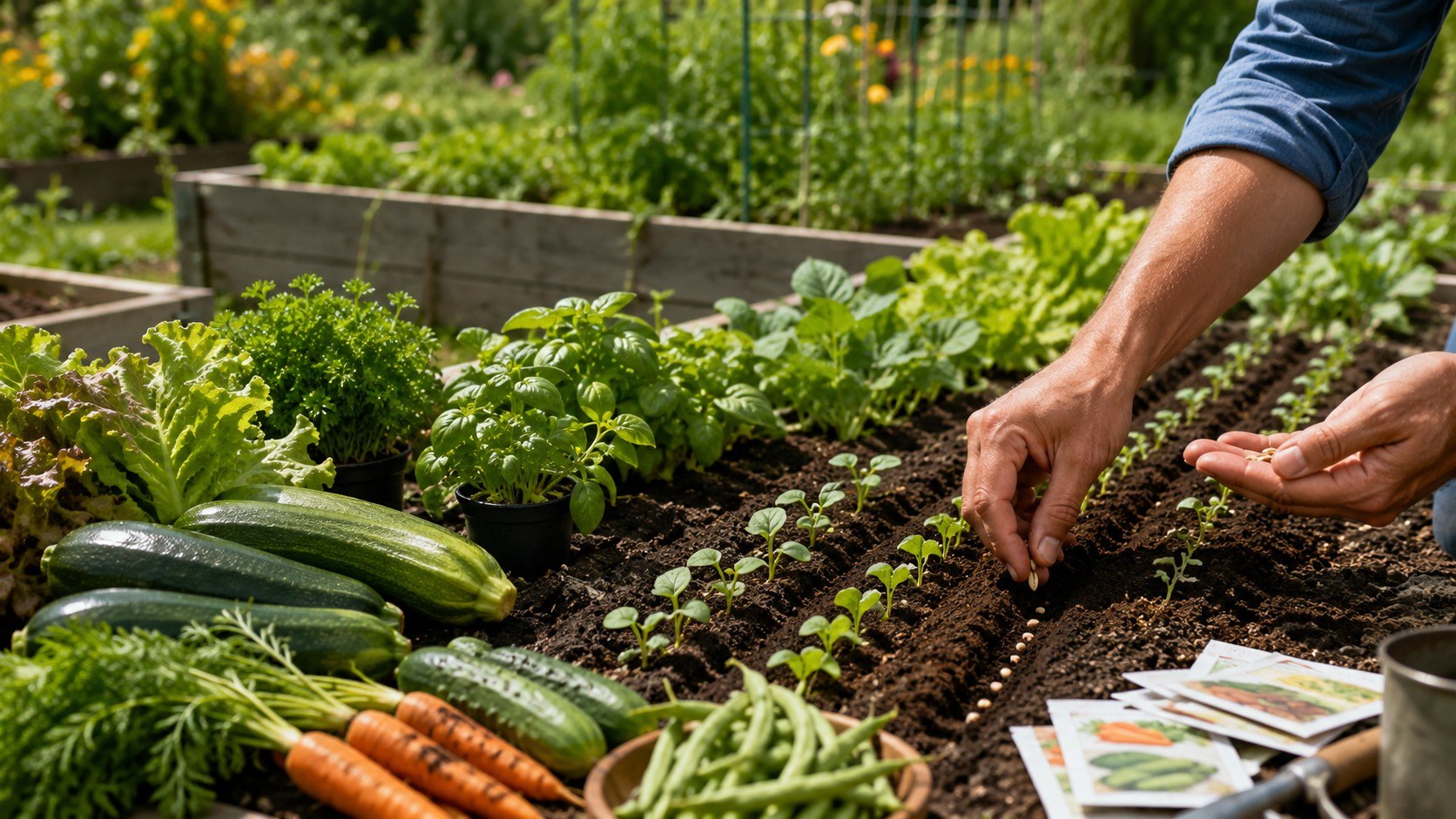
Common July Planting Mistakes
The most common mistake is ignoring the first frost date. A crop may sprout well but fail before harvest.
Another error is choosing long-season varieties. July gardens need early or compact cultivars.
Avoid these mistakes:
- sowing into dry soil;
- planting before leaving for vacation;
- burying small seeds too deeply;
- using thick mulch before emergence;
- transplanting at midday;
- overfertilizing beans;
- planting without checking maturity dates;
- ignoring regional heat warnings.
After this checklist, inspect every new planting daily. July conditions change quickly. One dry day can destroy shallow seedlings.
Do not rely only on historical weather. Local forecasts provide better short-term guidance.
Heavy storms can also cause damage. Wait until saturated soil drains before cultivating it. Working wet soil can destroy its structure.
Keep extra seeds available. Replanting may be necessary after heat, birds, insects, or intense rain.
FAQ
Is July too late to plant vegetables in the USA?
No. Many regions can still grow beans, roots, leafy greens, herbs, and fall brassicas.
What vegetables grow fastest after July planting?
Radishes, arugula, baby lettuce, bush beans, turnips, and some cucumbers mature quickly.
What should I plant in early July?
Early July is suitable for beans, carrots, beets, radishes, turnips, cucumbers, and summer squash.
What should I plant in late July?
Late July favors kale, collards, arugula, mustard greens, cilantro, dill, and fall seedlings.
Can I plant tomatoes in July?
Transplants may work in warm regions with long growing seasons. Northern gardeners usually lack enough time.
How often should July seeds be watered?
Keep the soil surface consistently moist until germination. After emergence, water more deeply.
How do I find my first frost date?
Use local weather records, county extension calendars, or ZIP-code frost date tools.
Can lettuce grow during July heat?
Yes, but choose heat-tolerant varieties. Provide afternoon shade and consistently moist soil.
Are USDA zones enough for vegetable planting dates?
No. USDA zones describe winter temperatures. Vegetable timing also depends on frost, heat, rainfall, and elevation.
Earlier we wrote about Gianna Romero Crowned Miss Maryland 2026 After Hagerstown Competition