


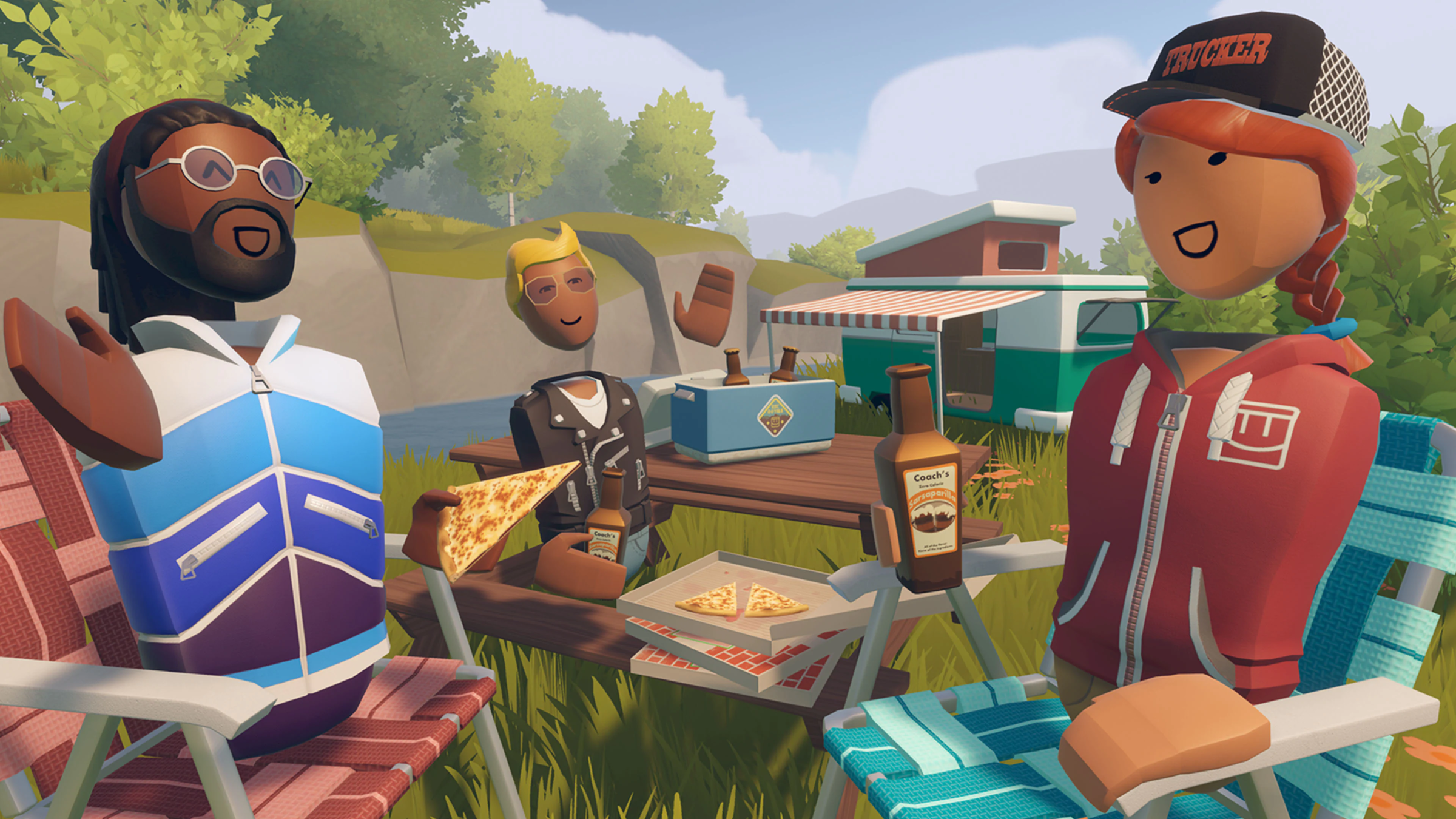
Rec Room shutting down on June 1 marks a major shift in the landscape of the social gaming industry. The Seattle based company once reached a massive valuation of 3.5 billion dollars during the height of its growth. Despite serving more than 150 million players globally, the platform struggled to convert popularity into a sustainable business. Management confirmed that operational costs consistently overwhelmed the revenue generated from subscriptions and digital goods. The official announcement came on Monday afternoon, sending shockwaves through the virtual reality and gaming communities. New account creations and friend requests have been blocked immediately to begin the winding down process. Existing members can no longer start new subscriptions as the platform prepares for its final sunset. This decision reflects the difficult economic headwinds currently facing the broader gaming and VR markets, as noted by the Baltimore Chronicle via GW.
The timeline of the platform closure and creator impact
The transition toward the final shutdown involves several critical deadlines for the millions of active users and creators. Starting immediately, the platform has restricted the ability to publish new monetized content within the virtual world. Token purchases will remain active only until May 1, allowing users a final month to spend their currency. Creator earnings will officially stop on May 18, followed by a final payout scheduled for the closing day. On June 1 at noon Pacific time, the servers will go dark permanently across all supported devices. This methodical wind down is intended to treat the community and employees with as much fairness as possible. Many long time users expressed their disbelief on Discord, hoping the news was merely an early prank. Unfortunately, the company leadership has confirmed that the financial numbers simply do not support continued operation.
Key dates and restrictions for the platform closure:
- March 30: Block on new accounts and friend requests.
- March 30: End of new subscriptions to the Plus membership.
- May 1: Final day to purchase tokens for in-game use.
- May 18: Termination of all creator earning accruals.
- June 1: Final processing of creator payouts and bank transfers.
- June 1: Permanent server shutdown at noon Pacific time.
These steps are designed to prevent further financial complications during the final weeks of the service. Users are encouraged to enjoy their favorite rooms and say goodbye to their virtual friends before the deadline. The company stated it chose this path while it still had the resources to exit thoughtfully. For years, the platform allowed users to build games on phones, consoles, and VR headsets with ease. This cross platform accessibility was a core strength that drove its massive user base to record heights. However, the costs associated with maintaining such a vast infrastructure became impossible to manage without new capital. The layoffs of 2025 were a clear sign of the growing pressure on the company’s internal budget.
Financial struggles and the acquisition of assets by Snap
The journey from a prominent unicorn to a total shutdown reveals the thin margins in user generated content. Rec Room raised 294 million dollars across 6 funding rounds from top tier investors like Sequoia Capital. At its peak, the Series F valuation made it one of the most valuable startups in the Seattle area. A major problem was the revenue split between the platform, creators, and third party app stores. Rec Room typically kept only 30 cents of every dollar earned from sales of user generated items. In contrast, first party content sales provided a much healthier 70 percent margin for the company. The shift toward AI features like Maker AI also added significant per user costs that subscriptions couldn’t cover.
| Financial metric | peak value or percentage | impact on business model |
| Peak Valuation | 3.5 billion dollars | Created high expectations for investor returns. |
| Total Funding | 294 million dollars | Provided runway that lasted for nearly a decade. |
| Creator Revenue Share | 70 percent | Left the platform with low margins on growth. |
| User Base | 150 million players | Showed massive popularity without matching profit. |
| Staff Reductions | 16 percent in March 2025 | Initial attempt to reach a self sustaining state. |
Following the news of the shutdown, it was revealed that Snap has acquired key assets from the company. This move suggests that while the platform failed, the underlying technology still holds significant value for others. CEO Nick Fajt previously warned that the company could not rely on raising more venture capital indefinitely. He noted that without a path to profitability, the company would eventually run out of all cash reserves. The recent shifts in the VR market further complicated the ability to find a sustainable audience. By closing now, the company avoids a chaotic bankruptcy and ensures a structured end for its remaining staff. The legacy of the platform will live on through the innovations it brought to the social gaming space.
Analysis of user generated content and AI investments
The platform bet heavily on the vision of democratizing game creation through accessible tools and AI companions. Features like Roomie were designed to help players build complex environments without needing advanced coding knowledge. While these tools were popular, the high computational costs of AI proved to be a heavy burden. Subscription revenue from the Plus membership was not enough to offset the expenses of these advanced features. As of late 2025, revenue from user content was growing at 70 percent year over year. Creators even earned more than 1 million dollars in a single quarter for the first time. Despite these milestones, the overhead of supporting a massive global audience remained too high for the startup.
The collapse of such a major player serves as a warning for other social platforms in the VR niche. Maintaining high engagement requires constant innovation and expensive server maintenance across multiple hardware platforms. The company tried to pivot toward a self sustaining model by cutting staff to just 100 people. This smaller team focused on core features but could not overcome the broader headwinds in the gaming market. Investors are now more focused on immediate profitability rather than long term user growth without a clear return. The closure of Rec Room marks the end of an era for Seattle’s most prominent social gaming experiment. Players are now searching for new homes where they can continue their creative work and social interactions.
Earlier we wrote that Twitch streamer Musa_Usa robbed live on stream in Baltimore during hot dog sale