

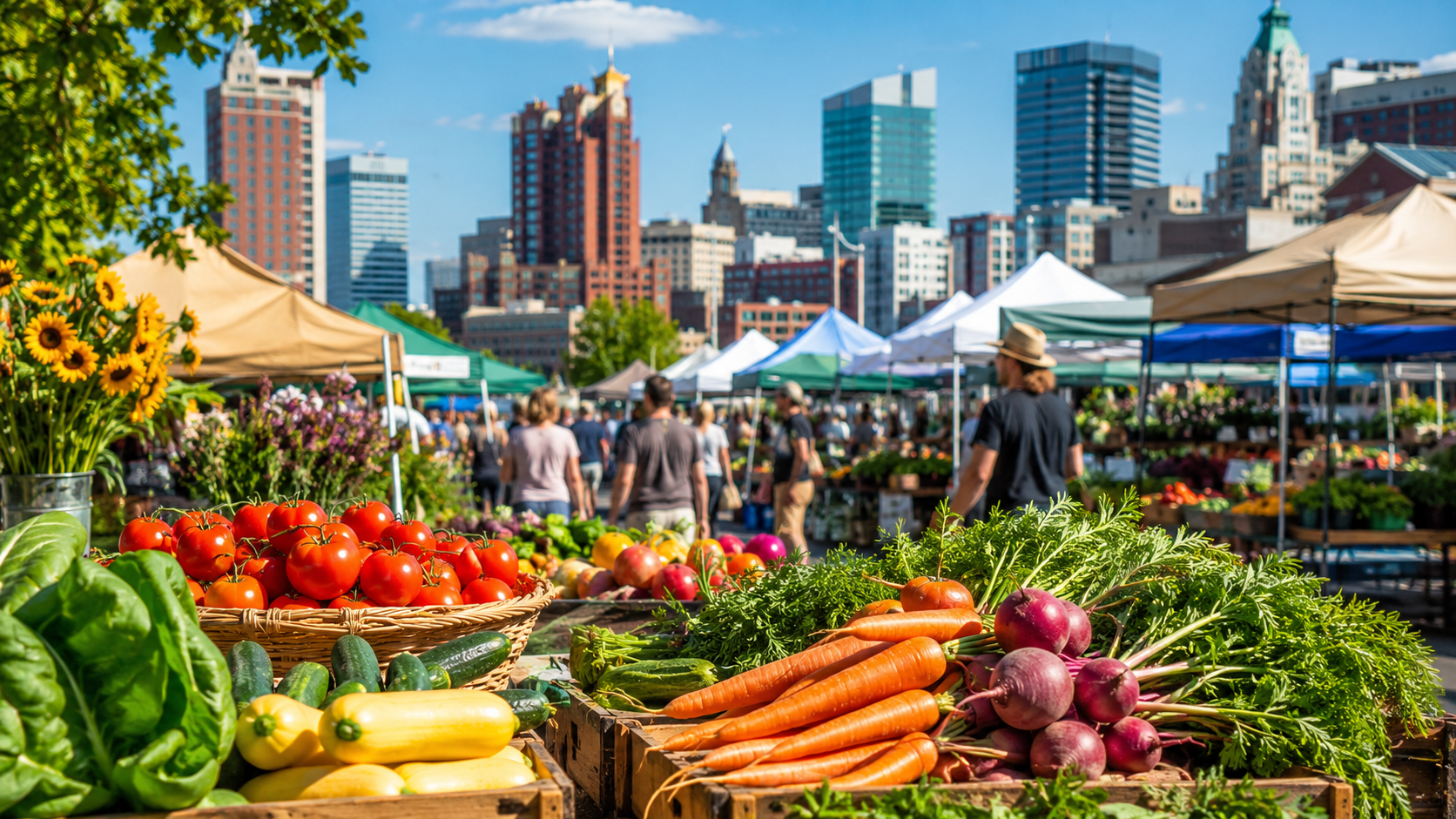
Baltimore’s open-air market culture looks stronger in 2026 than it did five years ago. More regional farms now sell directly inside city neighborhoods, seafood vendors are expanding beyond traditional crab houses, and smaller artisan producers have turned weekend markets into all-day community events. The result is a network of markets that feels distinctly local rather than curated for touristsas noted by the editorial team at Baltimore Chronicle.
The city’s best markets also reflect Baltimore’s geography. Harbor-area markets lean toward prepared food and seafood. North Baltimore markets attract organic growers and specialty bakers. East Baltimore public markets still operate as practical shopping hubs where residents buy produce, meat, and pantry goods at lower prices than chain grocery stores.
Unlike generic “top farmers markets” lists, this guide compares atmosphere, pricing, transit access, product quality, and crowd patterns across the city. Some markets work best for bulk produce shopping. Others function more like neighborhood festivals with live music and coffee stands.
People searching for Best Baltimore Farmers Markets in 2026 are usually looking for more than tomatoes and peaches. They want reliable vendors, easier parking, seasonal seafood, local bread, and markets that still feel connected to Baltimore neighborhoods instead of polished retail spaces.
For readers exploring Baltimore’s food scene further, guides like Best Seafood in Baltimore, Best Coffee Shops in Baltimore to Work, and the detailed Fell’s Point neighborhood guide pair naturally with weekend market visits.
Best Farmers Markets in Baltimore
Baltimore Farmers’ Market & Bazaar
Location: Under the Jones Falls Expressway — Holliday & Saratoga Streets
Schedule: Sundays, typically April through December, 7 a.m. to noon
The Baltimore Farmers’ Market & Bazaar remains the city’s largest producer-focused market. More than 100 vendors rotate through peak-season weekends, creating a mix of produce stalls, flower sellers, bakers, butchers, and prepared-food counters.
The market feels busiest between 9 and 11 a.m. Early arrivals get easier parking and shorter food lines. By late morning, traffic around the expressway ramps slows considerably.
Popular purchases include:
- orchard fruit from Maryland farms
- sourdough loaves
- oysters and soft-shell crabs
- locally roasted coffee
- handmade soaps and candles
The crowd ranges from downtown residents carrying reusable totes to restaurant chefs sourcing seasonal ingredients.
“Sunday mornings here still feel like Baltimore’s weekly town square,” said one long-time produce vendor during the 2025 season.
Official information is available through the Baltimore Farmers’ Market & Bazaar website.
32nd Street Farmers Market
Location: 400 E 32nd St, Baltimore, MD
Schedule: Saturdays year-round, 7 a.m. to noon
Among the most respected Baltimore farmers markets, the 32nd Street market attracts shoppers focused on sustainability, small farms, and premium local products.
Compared with the downtown Sunday market, this one feels slower and more neighborhood-oriented. Shoppers tend to know vendors by name. Coffee drinkers linger outside stalls instead of rushing through purchases.
What stands out
- Organic vegetable selection
- Grass-fed meats
- Specialty mushrooms
- Heritage grains
- Local dairy products
Prices here run slightly higher than city public markets, but product quality remains consistently strong.
Nearby parking fills quickly after 8:30 a.m. Many regulars arrive by bike or walk from Charles Village and Remington.
Shoppers spending time around Hampden and Charles Village can also use this nearby Hampden Baltimore guide for restaurants, shops, and neighborhood stops after the market.
Waverly Farmers Market
Location: East 32nd Street & Barclay Street, Baltimore, MD
Schedule: Saturdays, year-round
The Waverly market overlaps culturally with the 32nd Street market but serves a broader customer base. Shoppers include college students, older residents, families, and restaurant workers sourcing ingredients before lunch service.
Fresh greens, apples, herbs, and prepared Caribbean foods sell especially well during warmer months.
The market also supports SNAP and Maryland Market Money programs, making it one of the stronger examples of local produce Baltimore shoppers can buy without premium pricing.
Transit access is easier here than at several waterfront markets because multiple bus lines stop nearby.
Fell’s Point Farmers Market
Location: Broadway Square, Fell’s Point, Baltimore, MD
Schedule: Saturdays, year-round
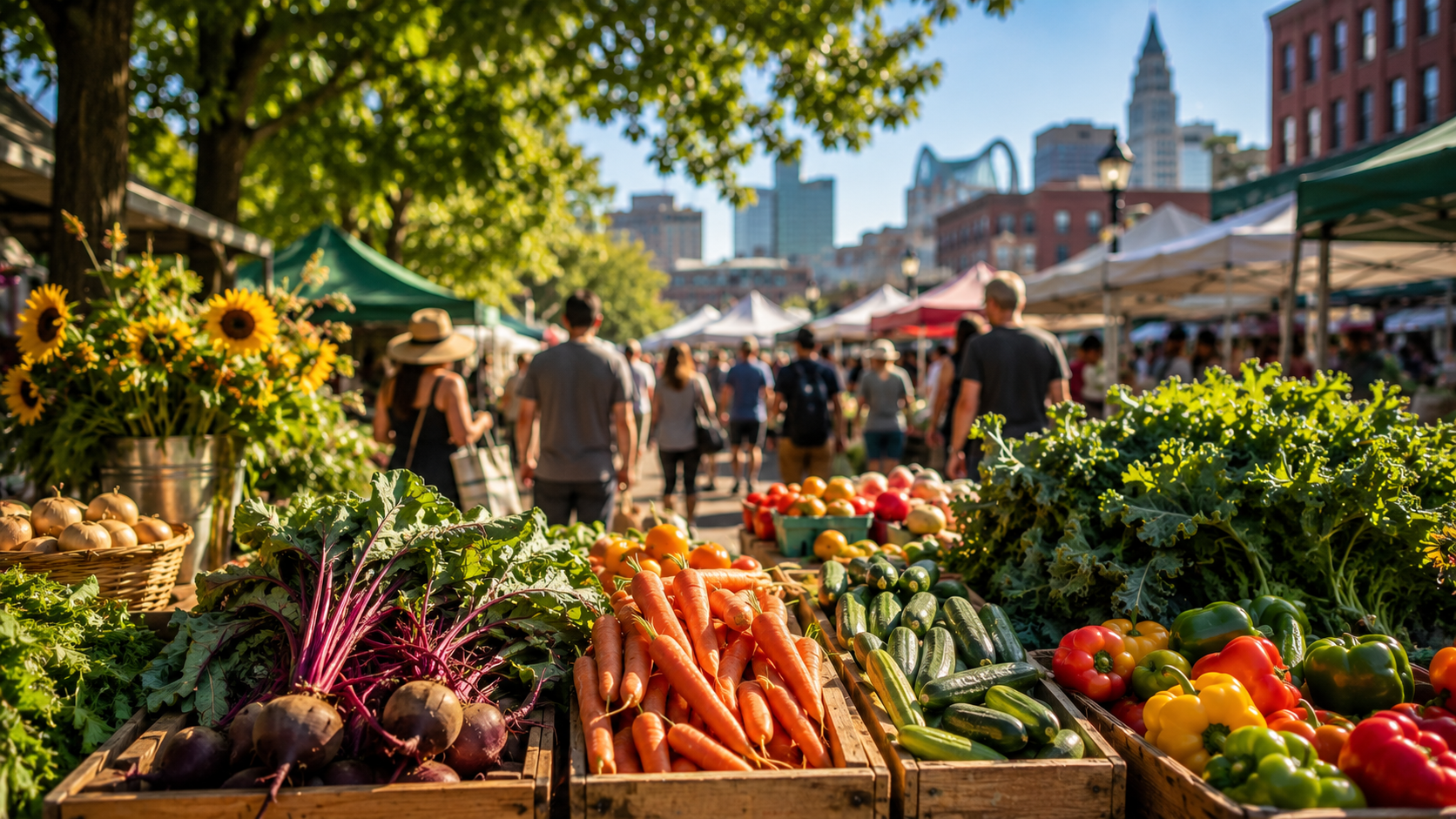
Fell’s Point’s waterfront setting changes the entire atmosphere of shopping. Instead of bulk grocery runs, this market attracts weekend visitors mixing coffee, pastries, seafood, and harbor walks.
Seafood vendors remain the biggest draw.
Buyers regularly line up for:
- Chesapeake oysters
- shrimp
- crab cakes
- smoked fish
- seasonal rockfish
This is one of the strongest options for people specifically searching for fresh seafood markets Baltimore residents actually use rather than tourist-focused seafood counters.
Parking can become difficult after 10 a.m., particularly during festival weekends.
The area also connects naturally with Baltimore’s broader waterfront dining scene covered in Where to Eat in Baltimore 2026.
Catonsville Farmers Market
Location: 1400 Frederick Rd, Catonsville, MD
Schedule: Sundays, May through November
Technically outside central Baltimore, Catonsville’s market still attracts city residents looking for lower prices and easier parking.
Produce costs here often run below Inner Harbor-area markets, especially for:
- corn
- tomatoes
- peaches
- squash
- flowers
Families dominate the crowd. Many shoppers combine market visits with brunch or errands along Frederick Road.
Compared with city-core markets, Catonsville feels less crowded and less food-truck-oriented.
Cross Street Market
Location: 1065 S Charles St, Baltimore, MD
Schedule: Daily indoor public market operations
Cross Street Market operates differently from traditional farm markets. It combines permanent food vendors with rotating produce sellers and prepared-food stands.
The renovated space functions more like a hybrid food hall.
Visitors come for:
- fresh pasta
- butcher counters
- oysters
- tacos
- local beer
Federal Hill residents rely on it for quick weekday shopping instead of large weekend hauls.
Official details are available through the Cross Street Market website.
Lexington Market
Location: 112 N Eutaw St, Baltimore, MD
Schedule: Daily
No discussion of Baltimore public markets works without Lexington Market. The current building blends historic food-market traditions with newer vendor spaces.
Lexington remains more practical than trendy. Shoppers come for affordable produce, seafood, poultry, and carryout food.
The market still draws office workers at lunch, but mornings remain best for produce shopping.
Best things to buy
| Product | Why It Stands Out |
|---|---|
| Fresh fish | High turnover and competitive pricing |
| Fried chicken | Long-running local vendors |
| Produce boxes | Lower prices than supermarkets |
| Spices | Strong variety from specialty stalls |
Official city information is available through the Baltimore Public Markets Corporation.
Northeast Market
Location: 2101 E Monument St, Baltimore, MD
Schedule: Daily
Northeast Market serves local residents more than tourists. Vendors specialize in practical grocery shopping rather than artisanal branding.
The food selection reflects East Baltimore’s diversity. Buyers can find Latin American ingredients, fresh poultry, seafood, spices, and prepared foods from multiple cuisines.
Prices remain lower than many weekend-only specialty markets.
Shoppers searching for affordable organic farmers markets Baltimore alternatives often combine Northeast Market with seasonal neighborhood farm stands.
Mount Vernon Marketplace
Location: 520 Park Ave, Baltimore, MD
Schedule: Daily indoor marketplace
Mount Vernon Marketplace is less produce-heavy than traditional farm markets, but it remains central to Baltimore’s local food culture.
The space attracts younger crowds, remote workers, and apartment residents who prioritize prepared foods over bulk grocery shopping.
Popular vendors focus on:
- ramen
- sandwiches
- local desserts
- coffee
- craft beverages
Weekend pop-ups frequently introduce smaller farm producers and specialty food makers.
People exploring Baltimore nightlife after market visits can also browse Best Bars in Baltimore 2026.
Year-Round vs Seasonal Markets
| Market | Neighborhood | Open Season | Best For | Typical Crowd |
|---|---|---|---|---|
| Baltimore Farmers’ Market & Bazaar | Downtown | Spring–Fall | Variety and scale | Families, chefs, tourists |
| 32nd Street Farmers Market | Waverly | Year-round | Organic produce | Local regulars |
| Waverly Farmers Market | North Baltimore | Year-round | Affordable local food | Mixed neighborhood crowd |
| Fell’s Point Farmers Market | Waterfront | Year-round | Seafood and pastries | Tourists and locals |
| Catonsville Farmers Market | Catonsville | Seasonal | Family shopping | Suburban families |
| Lexington Market | West Baltimore | Year-round | Budget grocery shopping | Daily residents |
| Cross Street Market | Federal Hill | Year-round | Prepared food | Young professionals |
| Northeast Market | East Baltimore | Year-round | International ingredients | Local residents |
Best Markets for Specific Shopping Needs
Best for Organic Produce
The 32nd Street Farmers Market leads for certified organic vegetables, sustainable meat, and specialty crops.
Shoppers looking for smaller regenerative farms also gravitate toward Waverly.
Best for Seafood
Fell’s Point dominates waterfront seafood shopping.
The Baltimore Farmers’ Market downtown also performs well during crab season, particularly in late summer.
Best for Baked Goods
The downtown Sunday market consistently attracts the city’s strongest bakery vendors.
Morning lines often form for:
- sourdough bread
- croissants
- cinnamon rolls
- fruit pies
Best for Families
Catonsville’s easier parking and calmer layout make it more comfortable for parents with strollers and children.
Best for Cheap Produce
Lexington and Northeast Market still offer the lowest produce prices in the region.
Best Artisan Vendors
Mount Vernon Marketplace and the Baltimore Farmers’Market both feature rotating handmade vendors selling ceramics, soaps, candles, and textiles.
Best Sunday Market
The Baltimore Farmers’ Market & Bazaar remains the top Sunday destination because of scale, food variety, and central location.
What to Buy at Baltimore Farmers Markets in 2026
Maryland’s growing season continues to shape what appears at city markets.
Spring
- asparagus
- strawberries
- radishes
- tulips
- goat cheese
Summer
- peaches
- sweet corn
- heirloom tomatoes
- blueberries
- soft-shell crabs
Fall
- apples
- pumpkins
- cider
- mushrooms
- oysters
Winter
- root vegetables
- greenhouse greens
- baked goods
- jams
- smoked seafood
Ethnic food vendors expanded noticeably across Baltimore in 2026. Markets now regularly include:
- Salvadoran pupusas
- Korean baked goods
- West African sauces
- Middle Eastern pastries
- Caribbean spice blends
This diversity separates Baltimore from smaller Mid-Atlantic market scenes that remain heavily produce-focused.
The Maryland Department of Agriculture maintains updated information on regional producers and seasonal agriculture.
Tips for Visiting Baltimore Farmers Markets
Experienced shoppers follow a few consistent strategies.
Arrive Earlier Than Tourists
The best produce often disappears before 10 a.m., especially peaches, berries, seafood, and specialty bread.
Carry Multiple Payment Options
Most vendors now accept cards and mobile payments, but some smaller farms still prefer cash.
Bring Insulated Bags
Seafood, dairy, and meat purchases become difficult to manage during humid Baltimore summers without insulated storage.
Understand Parking Patterns
- Fell’s Point becomes crowded fastest
- Downtown Sunday markets work best with garage parking
- Waverly favors bike access
- Catonsville offers the easiest free parking
Watch Weather Closely
Summer heat changes both crowd size and produce freshness. Serious shoppers often arrive before temperatures rise.
SNAP and EBT Programs
Several major markets participate in food-access programs, including Waverly and the Baltimore Farmers’ Market downtown.
Additional information appears through the Baltimore Office of Sustainability.
How Baltimore’s Market Scene Changed in 2026
Prepared food expanded faster than raw produce sales over the past two years.
More shoppers now visit markets for breakfast sandwiches, dumplings, coffee, and seafood lunches instead of weekly grocery shopping alone.
Inflation also changed buying behavior. Some residents reduced specialty purchases while increasing bulk produce buying from lower-cost vendors.
Three visible trends now define the city’s market culture:
- Smaller local farms replacing larger distributors
- More sustainability-focused packaging
- Stronger neighborhood event programming
Live jazz, vinyl pop-ups, and cooking demonstrations appear regularly at larger markets during peak months.
“People want markets to feel social again, not transactional,” one Baltimore market organizer said during a spring vendor event.
Environmental concerns also pushed vendors toward compostable containers and reusable packaging systems.
The rise of hybrid indoor-outdoor markets blurred distinctions between food halls and traditional farmers markets. Spaces like Cross Street and Mount Vernon Marketplace now compete directly with seasonal outdoor markets for younger customers.
At the same time, older public markets continue serving residents who depend on affordable grocery access instead of lifestyle-oriented shopping experiences.
FAQ
What is the biggest farmers market in Baltimore?
The Baltimore Farmers’ Market & Bazaar downtown remains the city’s largest seasonal farmers market.
Are Baltimore farmers markets open year-round?
Several are open year-round, including Waverly, 32nd Street Farmers Market, Fell’s Point Farmers Market, Lexington Market, and Northeast Market.
Which market has the best seafood?
Fell’s Point Farmers Market consistently offers one of the strongest seafood selections, especially oysters and crab products.
Are dogs allowed at Baltimore farmers markets?
Most outdoor markets allow dogs if leashed, though indoor food halls may have separate restrictions.
Which markets accept SNAP benefits?
Waverly Farmers Market and the Baltimore Farmers’ Market downtown both participate in SNAP and related food-access programs.
What is the best market near downtown Baltimore?
The Baltimore Farmers’ Market & Bazaar is the closest large-scale market to downtown offices and Inner Harbor neighborhoods.
Which market is best for tourists?
Fell’s Point combines harbor views, food vendors, and nearby bars and shops, making it popular for visitors.
Where can shoppers find affordable produce?
Lexington Market and Northeast Market remain among the best low-cost produce options in Baltimore.
Earlier we wrote about Best Bars in Baltimore 2026: Top Neighborhood Bars, Cocktail Spots & Hidden Gems Guide