

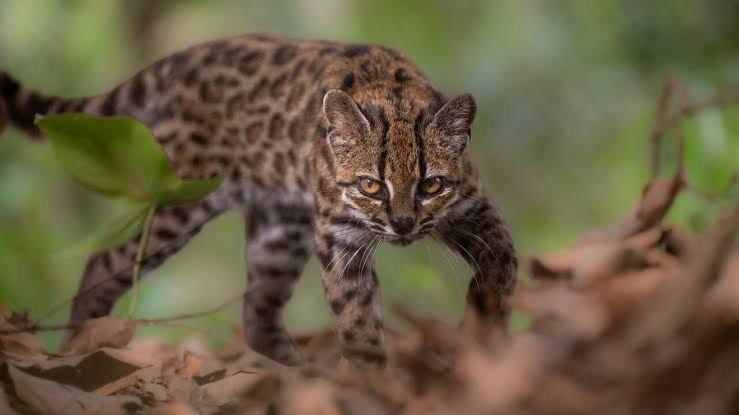
New wild cat species Leopardus tilcayo has been formally described in Bolivia’s cloud forests. It is the first living feline species newly described by science in more than a century, Baltimore Chronicle reports. The finding was published in Current Biology and confirmed by researchers from PUCRS.
Leopardus tilcayo is smaller than a domestic cat
The tilcayo lives in Bolivia’s Yungas, where humid mountain forests meet the eastern Andes. Adults measure about 46 centimeters from head to body and weigh roughly 1.4 kilograms. That makes the animal smaller than many domestic cats.
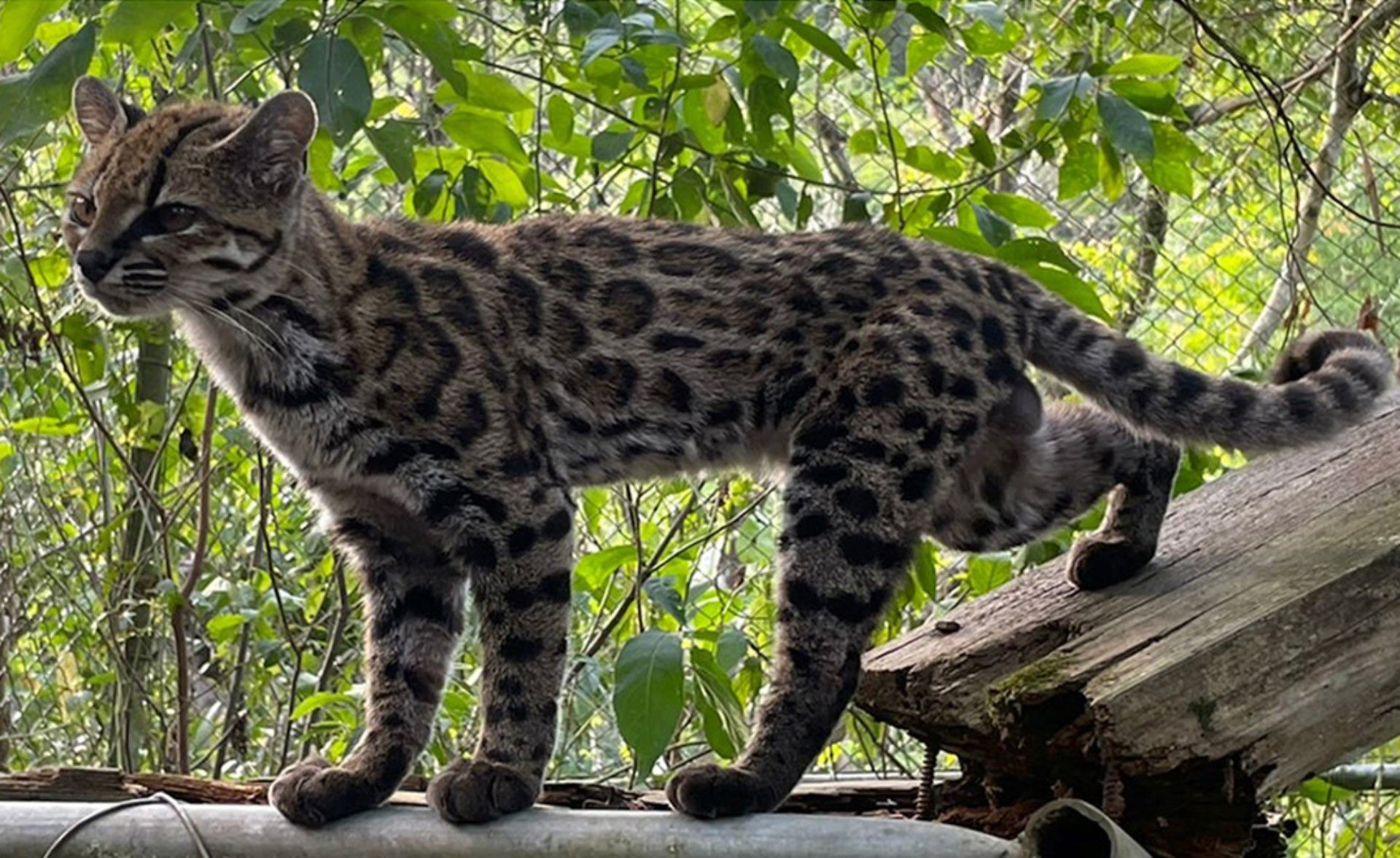
Its light-brown coat carries irregular dark rosettes. Researchers say these markings helped conceal its identity among other South American tiger cats.
Genetic analysis involved 38 tiger cats from across South America. Eight samples came from museum collections. The results showed that animals previously grouped together actually represent five genetically distinct species.
| Feature | Leopardus tilcayo |
|---|---|
| Region | Bolivian Yungas |
| Weight | About 1.4 kg |
| Body length | About 46 cm |
| Coat | Light brown with irregular rosettes |
| Estimated evolutionary split | About 1.4 million years ago |
The genetic evidence indicates that Leopardus tilcayo separated from its closest tiger-cat relatives around 1.4 million years ago. The discovery changes scientists’ understanding of feline diversity in South America.
Scientists know little about the tilcayo tiger cat
Only two living individuals have been examined directly. Camera-trap records are also scarce, leaving major questions about population size and distribution.
Researchers currently have several preliminary clues:
- rodent remains found in scat suggest the cat eats small mammals;
- camera traps indicate it may be mainly nocturnal;
- its confirmed habitat includes Bolivia’s Yungas cloud forests;
- its total wild population remains unknown.
These observations are not enough to define the species’ full behavior. Scientists now want to establish its range, reproduction patterns and conservation requirements.
A second tiger-cat lineage was identified in Peru
The same research also described a new subspecies from Peru’s Yungas region. It was named Leopardus tigrinus antisuyo.
Although the Peruvian and Bolivian cats live in neighboring regions, genomic evidence suggests they are not each other’s closest relatives. That result further complicates the evolutionary history of South America’s small spotted cats.
Researchers say the next priority is determining how many tilcayo cats remain in nature. Habitat loss and hunting are among the threats already being investigated in the Yungas.
Earlier we wrote about Debt Settlement Rules in 2026: The 30-Day Verification Window and the Tax Issue Borrowers Often Miss