

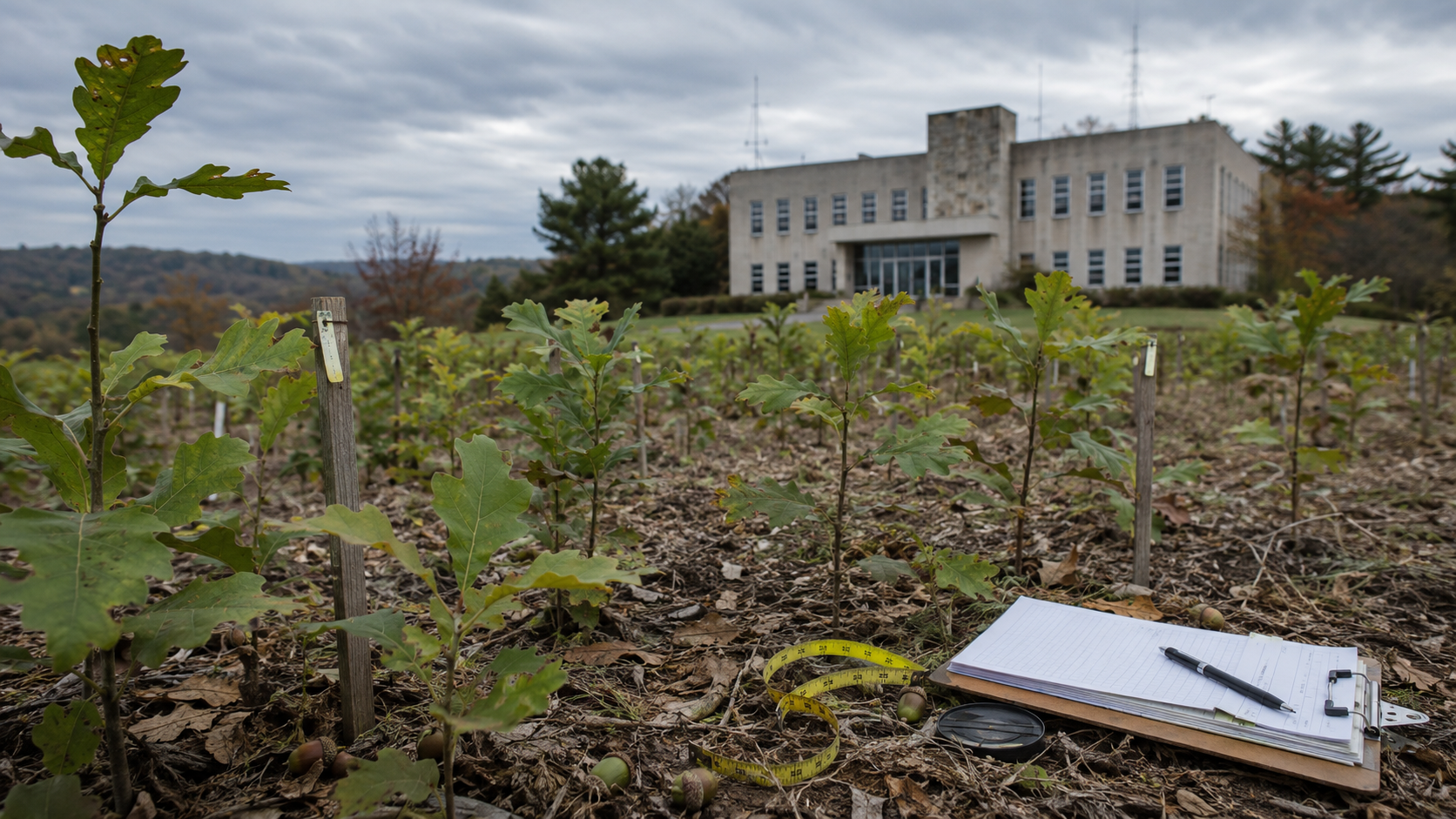
USDA Forest Service cuts could shut the Baltimore research station that supports long-term forest science across the Northeast and Midwest, including a white oak project tied to timber, flooring, furniture and bourbon barrels, as Baltimore Chronicle reports. The USDA reorganization plan would consolidate research operations and close dozens of facilities, while critics warn that regional data may disappear just as eastern forests face disease, climate stress and market pressure.
Baltimore Research Station Faces Closure Under USDA Plan
The Baltimore office is among more than 50 Forest Service research sites flagged in the restructuring. USDA says the changes are meant to streamline operations, reduce duplication and move leadership closer to national forest lands. Research leadership would be brought under one organization in Fort Collins, Colorado.
Former Baltimore team leader Mark Grove argues the shift narrows the agency’s mission. He says Forest Service science was built to solve long-term public problems, not only to boost timber output.
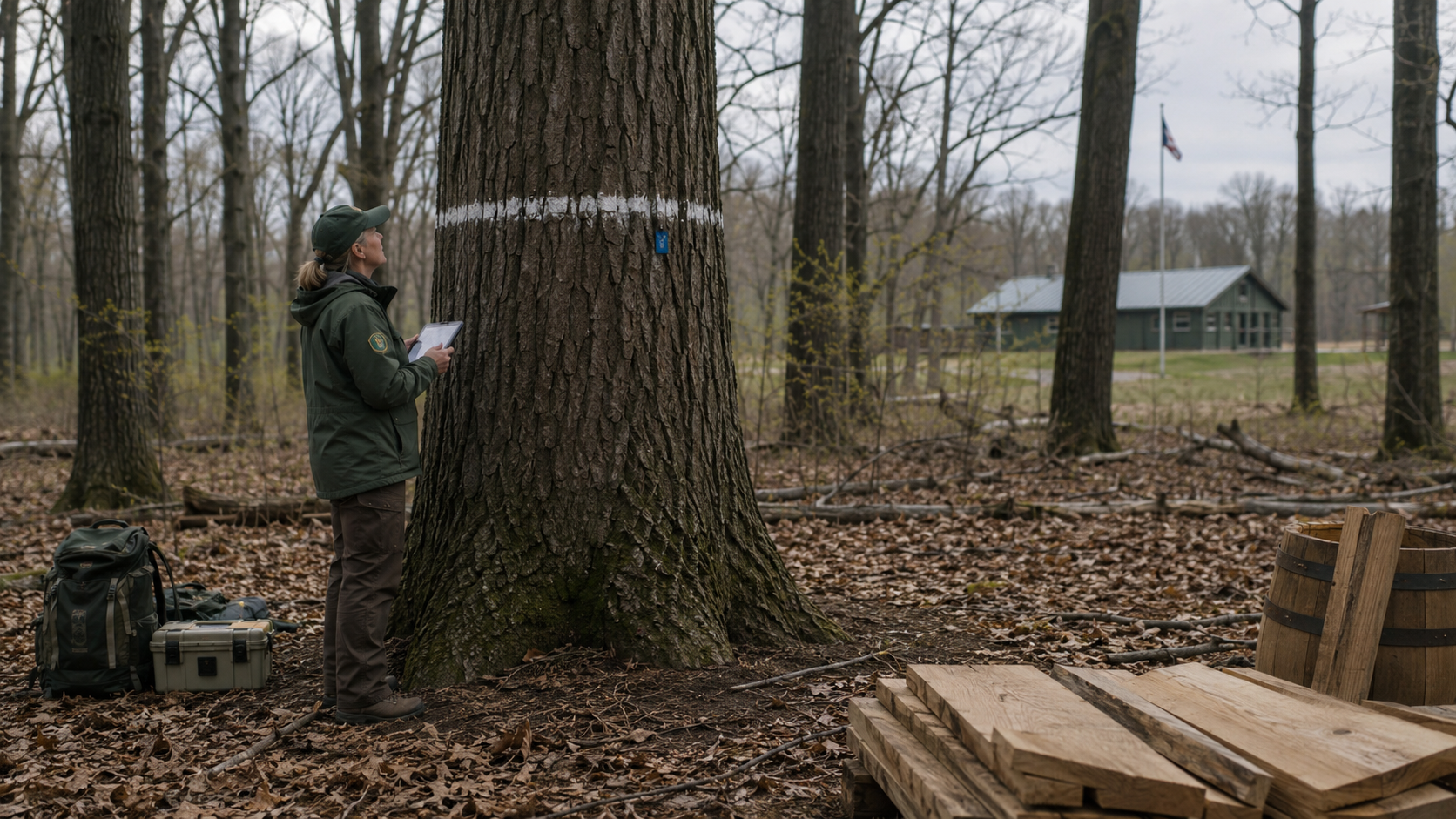
Why White Oak Research Matters For Forests And Bourbon
The American white oak project tracks how the species grows, regenerates and responds to management across eastern forests. White oak is valuable because it supports hardwood markets and is essential for rye and bourbon whiskey barrels.
| What is at risk | Why it matters |
|---|---|
| Long-term white oak data | Helps restore future timber supply |
| Regional forest monitoring | Shows changes across eastern states |
| Public research capacity | Covers work private industry rarely funds |
Without the Baltimore team, researchers may lose the local context behind decades of measurements. That gap matters because white oak grows slowly, and forest recovery cannot be measured in short business cycles.
What The Cuts Could Change Beyond Maryland
The biggest risk is not one office. It is the loss of continuous science across a region stretching from Maryland toward Minnesota. Forest health, pests, urban tree cover and hardwood supply all depend on patient research.
Key concerns include:
- reduced monitoring of eastern forests;
- weaker white oak regeneration research;
- less support for public land and city forest planning;
- more dependence on short-term private-sector studies.
Unions and critics are challenging the restructuring in court. USDA maintains that the overhaul will unify priorities, but researchers warn that once field teams and data networks disappear, rebuilding them may take decades.
Earlier we wrote about Towson University America 250 festival: dates, events and why it matters in Maryland