

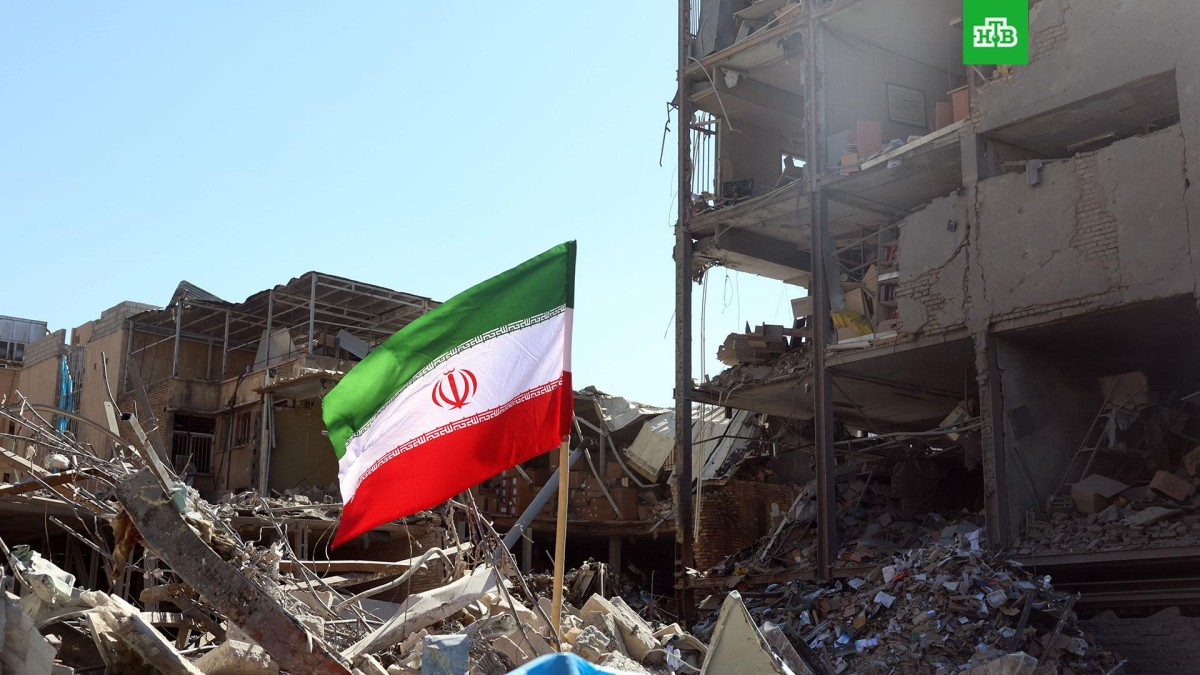
The body responsible for appointing Iran’s next supreme leader has confirmed that a decision has been made, though the identity of the chosen individual has not yet been publicly revealed, reports Baltimore Chronicle with reference to Guardian. Mohsen Heydari, a member of the selection council, told Iran’s ISNA news agency that “the most suitable candidate, approved by the majority of the Assembly of Experts, has been determined.” In addition, Mohammad Mehdi Mirbagheri confirmed in a video carried by Iran’s Fars news agency that “a firm opinion reflecting the majority view has been reached.” Ayatollah Mohsen Heidari Alekasir indicated that the selected figure is likely someone opposed by Washington, noting that criticism from the United States, including statements by former President Donald Trump against Mojtaba Khamenei’s candidacy, had inadvertently aided the Assembly’s decision-making process.
Israel has warned that any individual assuming the role of Iran’s supreme leader will be targeted. The Israeli military posted on X in Farsi that it will pursue anyone attempting to appoint a successor to Ali Khamenei, who was killed in a joint US-Israeli strike on Tehran on February 28, the first day of the conflict with Iran. Mojtaba Khamenei, 56, son of the late leader, has been cited as an early frontrunner, though his appointment remains uncertain amid criticism over alleged human rights abuses, including the reported deaths of at least 7,000 people in recent months. A direct father-to-son succession is also unusual in Iran’s Shia clerical framework, which traditionally avoids dynastic transfers of power following the 1979 revolution that overthrew the monarchy.
The Assembly of Experts, comprised of 88 clerics, is charged with selecting Iran’s supreme leader under the country’s constitution. Khamenei ruled for 37 years prior to his death. The clerical meeting to designate a new leader coincided with intensified military clashes between Israel and Iran. Iranian forces launched strikes against energy infrastructure across the Gulf, while Israeli attacks targeted oil storage and fuel facilities within Iran. Saudi Arabia, the United Arab Emirates, Qatar, Bahrain, and Kuwait all reported drone and missile attacks, with Saudi authorities intercepting 15 drones and Bahrain sustaining significant damage to a desalination plant.
Reports from the Washington Post, Fox News, and other US media suggest that Russia has provided intelligence support to Iran, potentially aiding Tehran in targeting US military positions in the region, though independent verification remains pending. Meanwhile, Iran’s President Masoud Pezeshkian publicly apologized to neighboring Gulf states and pledged to halt attacks if their airspace and US bases were not used against Iran, highlighting rare divisions within the country’s ruling elite. Conservative factions reportedly challenged Pezeshkian’s remarks, indicating tension among Iran’s leadership.
Overnight, US and Israeli forces conducted strikes on five oil facilities around Tehran, causing fires that were eventually contained. Explosions in Karaj, near the capital, sent smoke across the region, and fuel depots on Tehran’s outskirts were set ablaze as operations expanded. Axios reported discussions among US and Israeli officials regarding a potential special forces mission to secure Iran’s stockpile of highly enriched uranium at a later stage.
Throughout the day, Iran launched intermittent ballistic missile attacks targeting Tel Aviv and central Israel, with at least one serious injury reported following a residential strike. Most missiles were intercepted by Israeli defense systems, preventing further casualties. Concurrently, Israeli strikes continued in Lebanon, targeting Hezbollah positions and “key commanders” of Iran’s Quds Force. Bombings in Beirut destroyed a hotel, killing four, while southern Lebanon suffered an additional 12 fatalities. Lebanon’s health ministry reported at least 339 deaths, and the Norwegian Refugee Council estimated that approximately 300,000 people had fled their homes as a result of the escalating conflict.
Earlier we wrote that War in Iran Threatens Middle East Food Imports: Dubai Has Only 10 Days of Fresh Supplies