

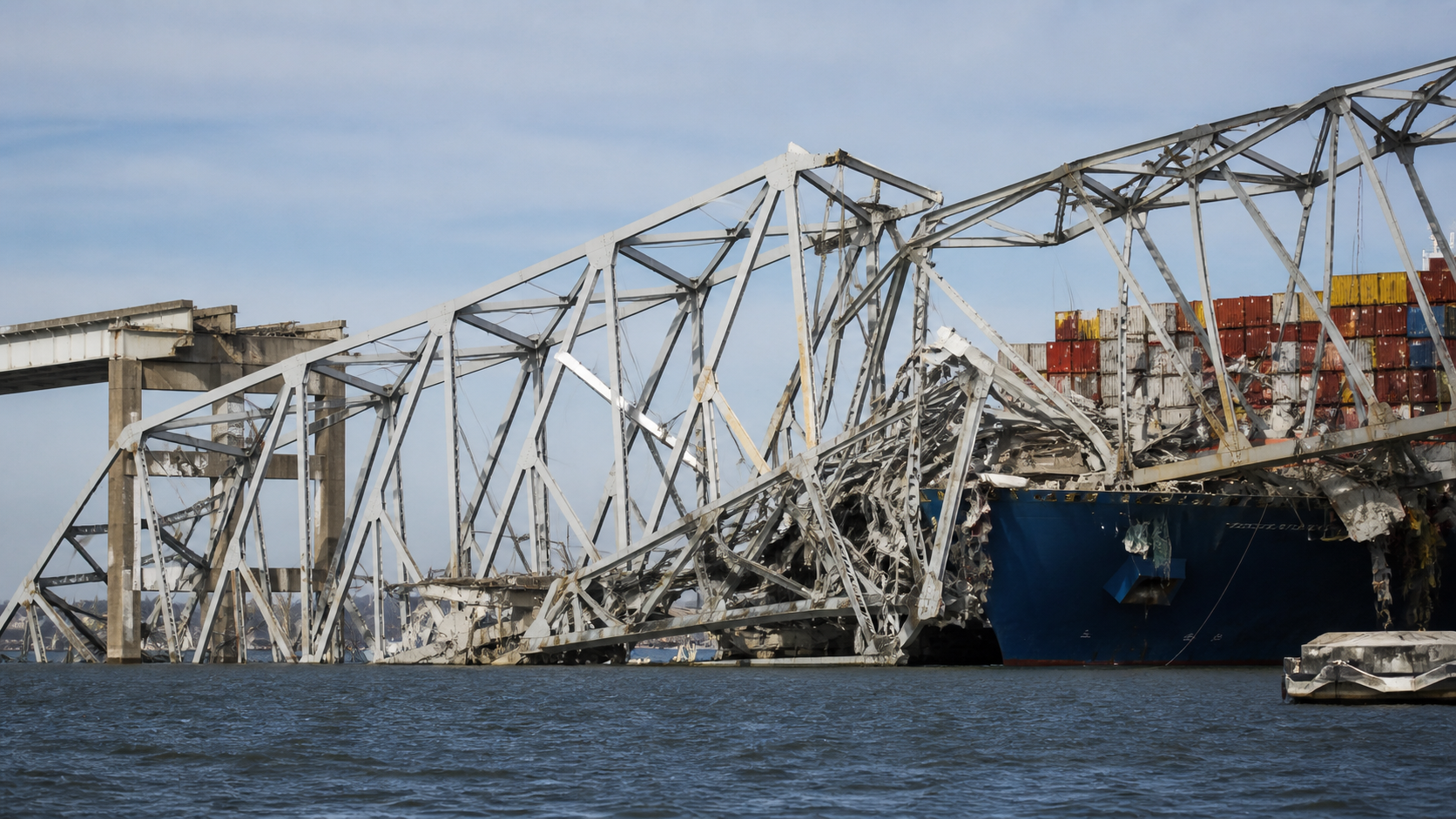
Key Bridge rebuild cost could rise to as much as 9 billion dollars after Maryland officials ended negotiations with a major contractor, raising new concerns over delays and funding. The decision follows weeks of failed talks over pricing and project scope, as officials search for alternatives to keep the timeline intact, as reported by Baltimore Chronicle via CBS.
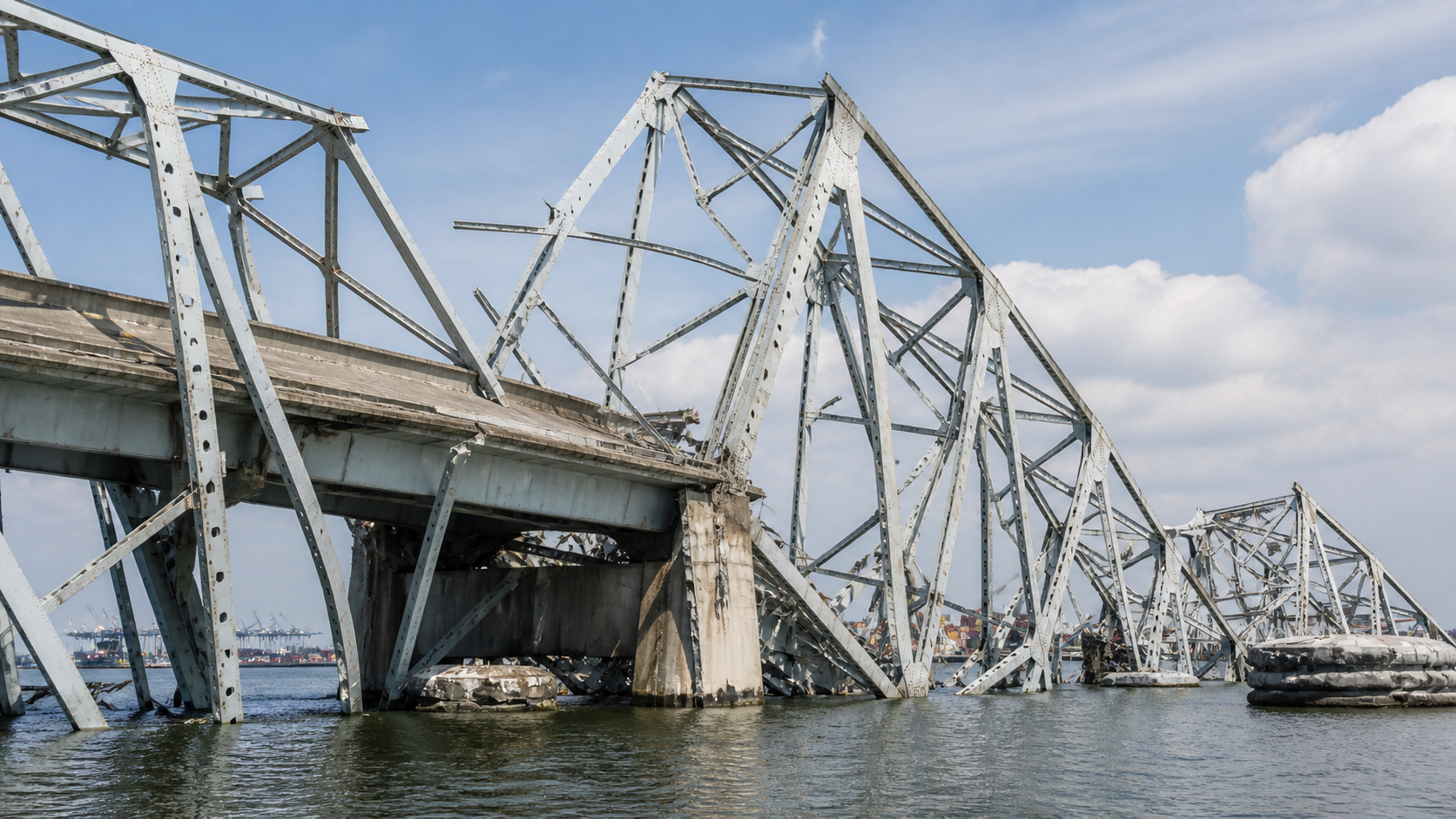
The collapse of Baltimore’s Key Bridge in March 2024 triggered one of the most complex infrastructure recovery projects in recent U.S. history. A container ship strike caused the structure to fall into the Patapsco River, killing six workers and disrupting logistics across the region.
Why the Key Bridge rebuild cost is rising
The original estimate for rebuilding the Key Bridge was around 2 billion dollars. However, updated projections now place the cost between 4.3 and 5.2 billion dollars. Some internal estimates linked to contractor proposals suggested figures as high as 9 billion.
Several factors explain the surge in costs:
- inflation affecting construction materials and labor
- updated engineering and safety requirements
- expanded bridge design with higher clearance
- complex environmental and maritime constraints
These elements significantly changed the scope compared to early planning assumptions. As a result, negotiations with Kiewit Infrastructure Co. broke down after officials deemed the proposal too expensive.
The Maryland Transportation Authority confirmed that the state could not agree on a final price. Officials described the contractor’s bid as far exceeding independent cost estimates.
Contract cancellation and search for new builders
The state awarded Kiewit a 73 million dollar contract in August 2024 for initial design and early construction phases. Despite progress in Phase 1, disagreements over Phase 2 costs led to a contract termination.
Key developments include:
- Phase 1 will continue until the end of 2026
- new contractors are being sought for Phase 2
- procurement delays may impact the 2030 deadline
Officials insist that replacing the contractor is necessary to protect public funds. However, the decision introduces uncertainty into an already complex timeline.
Kiewit stated it remains committed to completing current obligations. The company emphasized its cooperation and progress achieved during early stages.
Timeline pressure and federal oversight
The revised timeline already shifted completion from 2028 to late 2030. Now, additional delays are possible due to the contractor replacement process.
Federal authorities are closely monitoring developments. The U.S. Department of Transportation has stepped in to oversee progress and funding use. This reflects the project’s national importance for trade and infrastructure resilience.
Below is a structured overview of key project indicators:
| Parameter | Initial Plan | Updated Projection |
|---|---|---|
| Cost | 2 billion | 4.3–5.2 billion |
| Maximum estimate | not defined | up to 9 billion |
| Completion date | 2028 | 2030 |
| Bridge length | not specified | over 2 miles |
| Lifespan | standard | 100 years |
These figures illustrate how rapidly infrastructure projects can evolve under economic and technical pressure.
The new bridge will include two 12-foot lanes in each direction and offer greater clearance for maritime traffic. Its design aims to prevent similar disasters and support long-term regional growth.
Funding strategy and long-term impact
The federal government approved full funding for the rebuild in a legislative package signed in December 2024. This removes immediate financing risks but increases scrutiny over cost efficiency.
Experts highlight several broader implications:
- increased costs may influence future infrastructure budgets
- delays could impact supply chains along the East Coast
- project management decisions may shape national policy
Baltimore’s economy depends heavily on port operations. Restoring full capacity remains a priority for state and federal authorities.
The rebuilding of the Key Bridge is not just an engineering challenge. It is also a test of coordination between government, contractors, and financial oversight bodies.
Earlier we wrote about 2026 Met Gala theme and co-chairs: everything to know about fashion’s biggest night