

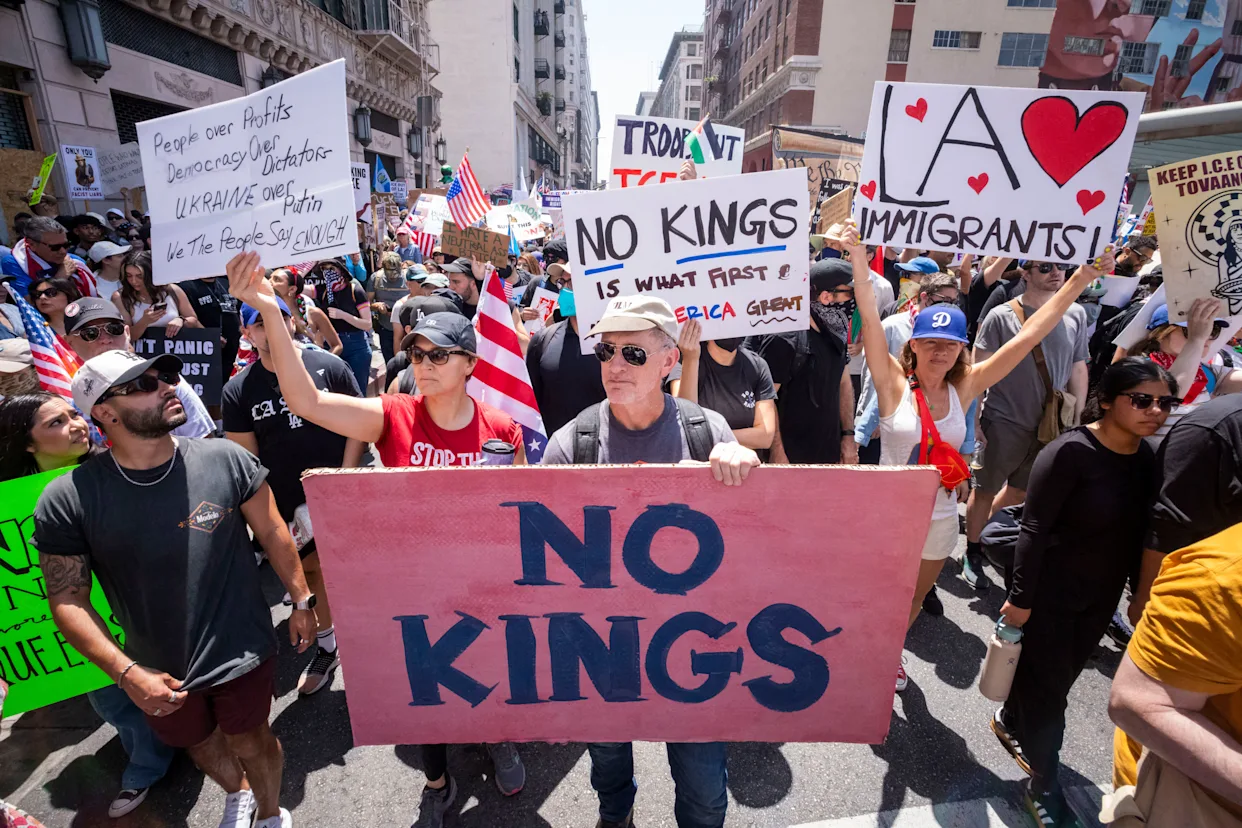
No Kings events are scheduled to take place this weekend in several major cities across the Pacific Northwest. Thousands of activists plan to gather in Portland, Seattle, Vancouver, and Eugene to voice their strong opposition. The primary focus of these demonstrations remains the controversial deportation tactics implemented by the current Trump administration. This marks the third major coordinated effort by organizers within the last 12 months of political tension. Local authorities in Oregon and Washington are preparing for significant crowds and potential disruptions in downtown areas. Previous iterations of these rallies led to intense confrontations between federal officers and various protest groups. Residents in cities like Forest Grove and Woodburn are also expected to join the regional movement today. Legal experts are monitoring the situation closely as court rulings regarding crowd control measures continue to evolve, as noted by the Baltimore Chronicle via OPB.
History of clashes and federal intervention in Portland
The evolution of the No Kings movement has been marked by a series of high-stakes confrontations in Oregon. On June 14, 2025, the first major rally saw protesters attempting to breach the ICE facility doors. Federal agents responded with pepper balls and tear gas to disperse the crowd of several thousand people. This initial event set a precedent for nightly demonstrations that lasted throughout the entire summer season of 2025. The administration later used these specific incidents to justify deploying National Guard troops to maintain local order. By October 18, 2025, the second iteration saw even larger crowds gathered at Tom McCall Waterfront Park. Tensions reached a boiling point as federal officers used flashbangs to keep facility driveways clear for official vehicles.
Chronology of significant events during the protest series:
- June 14, 2025: the first No Kings rally occurs with major clashes at the South Waterfront ICE office.
- Summer 2025: nightly protests continue outside federal facilities with sporadic arrests and chemical munition use.
- October 18, 2025: tens of thousands attend No Kings 2.0 in Portland despite a heavy federal presence.
- November 2025: federal judges issue restrictions on the use of tear gas following multiple local lawsuits.
- March 25, 2026: the 9th Circuit Court of Appeals grants a temporary stay on crowd control restrictions.
- March 28, 2026: activists mobilize for the third coordinated regional event across several Pacific Northwest cities.
The legal battle over police tactics has created a complex environment for both demonstrators and law enforcement officers. Local residents living near the ICE facility filed lawsuits citing regular exposure to harmful chemical munitions. These legal actions initially resulted in strict limitations on how federal agents could engage with large protest crowds. However, the recent court stay has effectively reauthorized the use of traditional crowd control devices for this weekend. Organizers have advised participants to bring protective gear such as gas masks and eye protection to the sites. Law enforcement agencies maintain that these tools are necessary to ensure the safety of officers and public property. The outcome of today’s events could influence future judicial decisions regarding the First Amendment and public safety.
Law enforcement strategies and public safety measures
The Portland Police Bureau has stated that their approach to the demonstrations will remain professional and balanced. Spokesperson Mike Benner emphasized that the bureau focuses on protecting free speech while ensuring general public safety. Federal agencies under the Department of Homeland Security have also issued statements regarding the planned weekend activities. They warned that being near unlawful activities in the field comes with inherent risks for all participants. Officers plan to take necessary legal steps to prevent the obstruction of law enforcement operations at federal buildings. Meanwhile, the city of Portland may enforce fines against landlords if chemical munitions are deployed excessively. This unique rule targets the owners of facilities where federal agents use gas beyond the actual property lines.
Comparison of planned protest locations and expected activity:
| City | Primary Gathering Location | Expected Crowd Size |
| Portland | Tom McCall Waterfront Park | Over 10000 participants |
| Seattle | Westlake Park | Significant regional turnout |
| Eugene | Wayne Morse Free Speech Plaza | Local community groups |
| Vancouver | Esther Short Park | Multi-state coordination |
| Woodburn | Downtown Plaza | Agricultural worker advocates |
Local businesses in the affected areas have boarded up windows in anticipation of potential property damage tonight. The Department of Homeland Security continues to monitor social media channels for signs of organized violence or disruptions. Public transportation routes in Portland and Seattle have been adjusted to bypass the main protest zones for safety. Mayor’s offices in the Pacific Northwest have urged for peaceful demonstrations and respect for local ordinances. Many community leaders are calling for a focus on policy debate rather than physical confrontation with police. The presence of legal observers and independent media will be high throughout the afternoon and evening hours. Security at the ICE facility in Portland has been significantly reinforced with additional fencing and federal personnel.
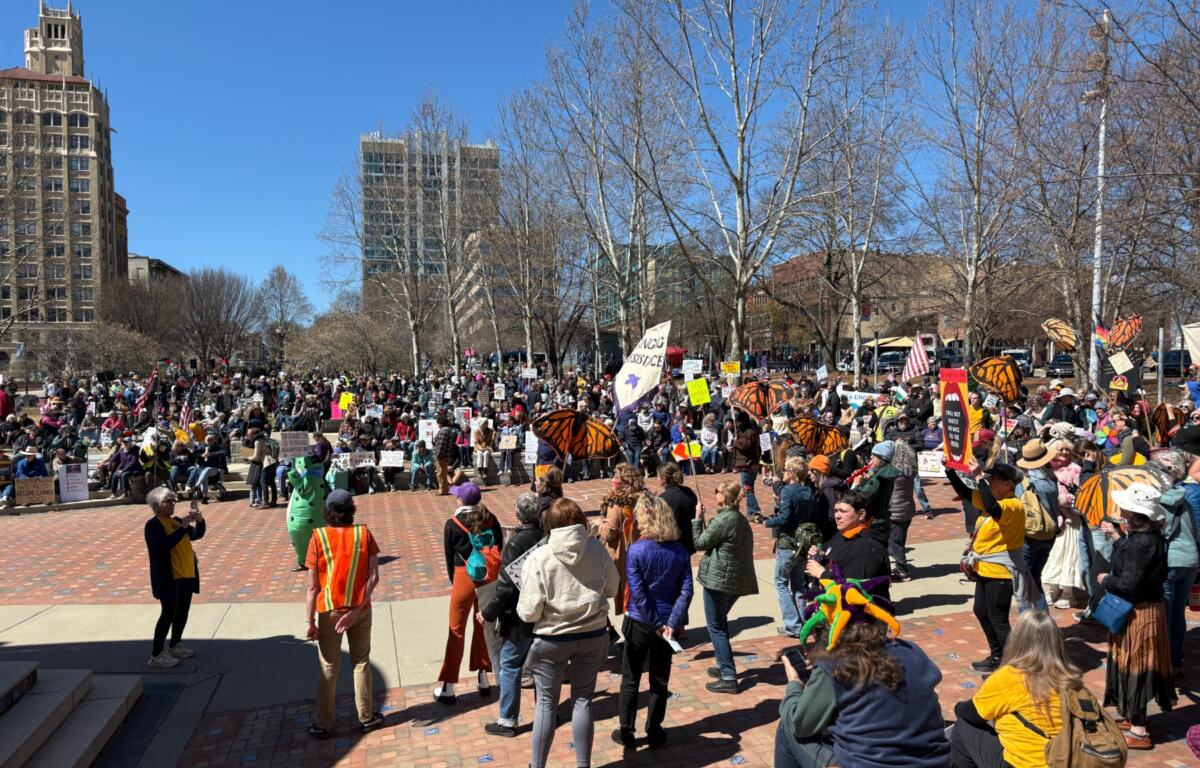
Legal implications and future of the No Kings movement
The temporary stay granted by the 9th Circuit Court of Appeals represents a significant victory for federal authorities. This ruling allows for the use of tear gas and other chemical agents during the protests on Saturday. Protester advocacy groups have expressed disappointment, claiming this move endangers peaceful participants and nearby residents in apartments. The stay remains in effect while the court considers the full appeal of the previous restrictive orders. This legal uncertainty adds a layer of unpredictability to how the night will unfold in downtown Portland. Both sides are prepared for a long legal process that could reach the highest courts in the country. The No Kings movement has already transformed the political landscape of the region over the last year.
Future demonstrations will likely depend on the outcomes of the federal deportation policies currently being challenged in court. If the administration continues its aggressive tactics, organizers promise to maintain the frequency of these regional events. The coordination between cities like Seattle and Portland shows a unified front that is rare in local activism. City officials are concerned about the rising costs of policing these frequent and massive gatherings every few months. At the same time, the protests serve as a visible barometer of the intense political polarization in America. Observers believe that the March 28 events will set the tone for the upcoming summer protest season. Analysts will be watching closely to see if the crowds grow or diminish in the face of federal pressure.
Earlier we wrote that Ousted Venezuelan President Nicolas Maduro set to return to Manhattan federal court for trial