

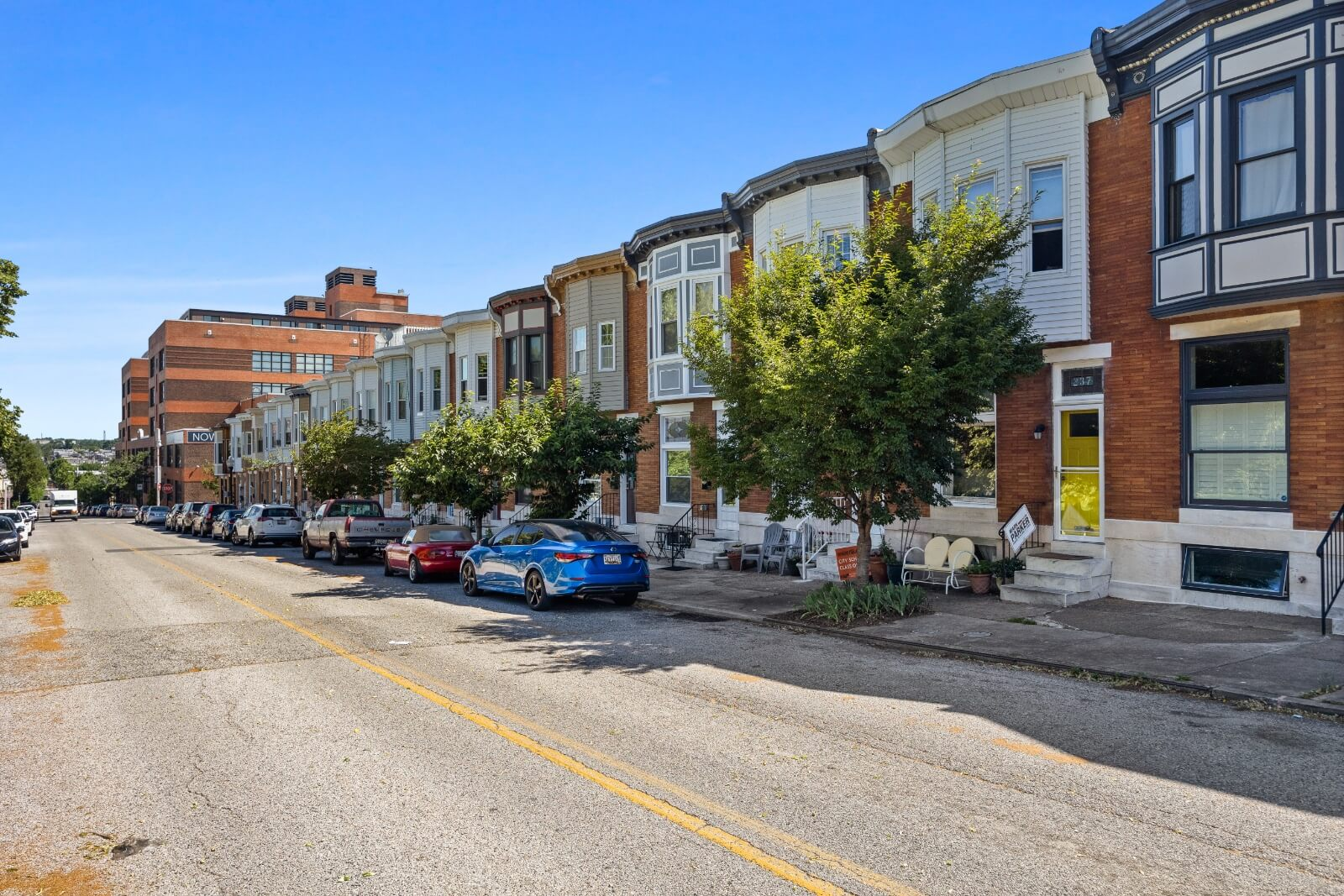
Best Baltimore neighborhoods for young professionals offer a unique blend of historic charm, coastal access, and a rapidly expanding tech and healthcare economy. Choosing where to settle in Charm City depends entirely on whether you prioritize proximity to the Inner Harbor or the quiet, leafy streets of the northern districts. Many newcomers are surprised by the distinct personality of each “block,” where a three-minute walk can transition you from high-rise luxury to 18th-century cobblestones. Logistics play a massive role here, especially for those commuting to Johns Hopkins, Under Armour, or the federal hubs in nearby D.C. Safe and affordable options exist, but they require a keen editorial eye to navigate the current real estate market effectively. Finding the right fit means balancing your social calendar with your professional commute requirements. As the Baltimore Chronicle notes, the city’s residential landscape is currently undergoing a significant shift toward transit-oriented development and mixed-use spaces.
The Quick Guide to Baltimore Living
- Best for Nightlife & Singles: Federal Hill and Fells Point.
- Best for Quiet Luxury & Commuters: Canton and Mount Vernon.
- Best for Walkability: Harbor East and Charles Village.
- Best for Value: Hampden and Pigtown.
Finding Your Place in the Mid-Atlantic Hub
Selecting a home in Baltimore is less about finding a house and more about choosing a lifestyle tribe that aligns with your career goals. For those wondering where to live in baltimore young professionals often find themselves choosing between the waterfront’s energy and the cultural density of the historic core. The city is famous for its “rhythm,” a pace of life that is slightly slower than New York but far more affordable than Washington D.C. Living here allows you to maintain a high quality of life while building a professional network in sectors like biotechnology, education, and maritime logistics. You should consider how much time you want to spend in your car, as certain areas are significantly more pedestrian-friendly than others.
The social scene for post-graduates and rising executives is heavily concentrated in specific corridors that offer reliable public transit or easy highway access. Many residents find that the best way to integrate into the city is through local social leagues or neighborhood improvement associations. Before signing a lease, it is helpful to visit your chosen area during both the workday and the weekend to gauge the noise levels and parking availability. Most young professionals prefer neighborhoods that offer a mix of third-wave coffee shops, reliable grocery stores, and green spaces.
| Neighborhood | Primary Vibe | Average Commute to Downtown | Top Amenity |
| Federal Hill | Energetic & Social | 5-10 minutes | Cross Street Market |
| Canton | Active & Waterfront | 15 minutes | Patterson Park |
| Mt. Vernon | Artistic & Historic | 5 minutes | Walters Art Museum |
| Hampden | Eclectic & Local | 20 minutes | The Avenue (36th St) |
| Harbor East | Upscale & Modern | 2 minutes | Luxury Cinema & Gyms |
Navigating these options requires understanding that Baltimore is a “city of neighborhoods,” totaling over 250 individual districts. While the table above highlights the heavy hitters, smaller pockets like Remington or Locust Point are gaining traction for their unique specialized appeal.
The Waterfront Appeal of Federal Hill and Fells Point
For those seeking baltimore neighborhoods for singles, the historic waterfront remains the undisputed champion of the local social scene. Federal Hill offers iconic views of the skyline and a dense concentration of bars and bistros that stay active well into the night. It is the go-to spot for recent graduates who want to be within walking distance of the Ravens and Orioles stadiums. Meanwhile, Fells Point provides a more seasoned atmosphere with its Belgian block streets and a legendary live music scene that dates back centuries. Both areas provide an immediate sense of community, making it easy to meet peers in similar career stages.
- Federal Hill Park offers the best fitness-friendly outdoor space in the city core.
- The water taxi system provides a scenic alternative to traditional bus or car commutes.
- Historic rowhouses often feature “Baltimore stoops,” which are central to the local social culture.
- Fells Point is home to the oldest continuously operating saloon in the United States.
Living on the water does come with the compromise of difficult street parking and higher weekend noise levels. However, for a young professional, the trade-off is often worth it for the sheer density of networking opportunities and weekend activities. Many residents in these areas eventually move to slightly quieter spots like Canton once they seek more square footage.
Urban Sophistication in Mount Vernon and Harbor East
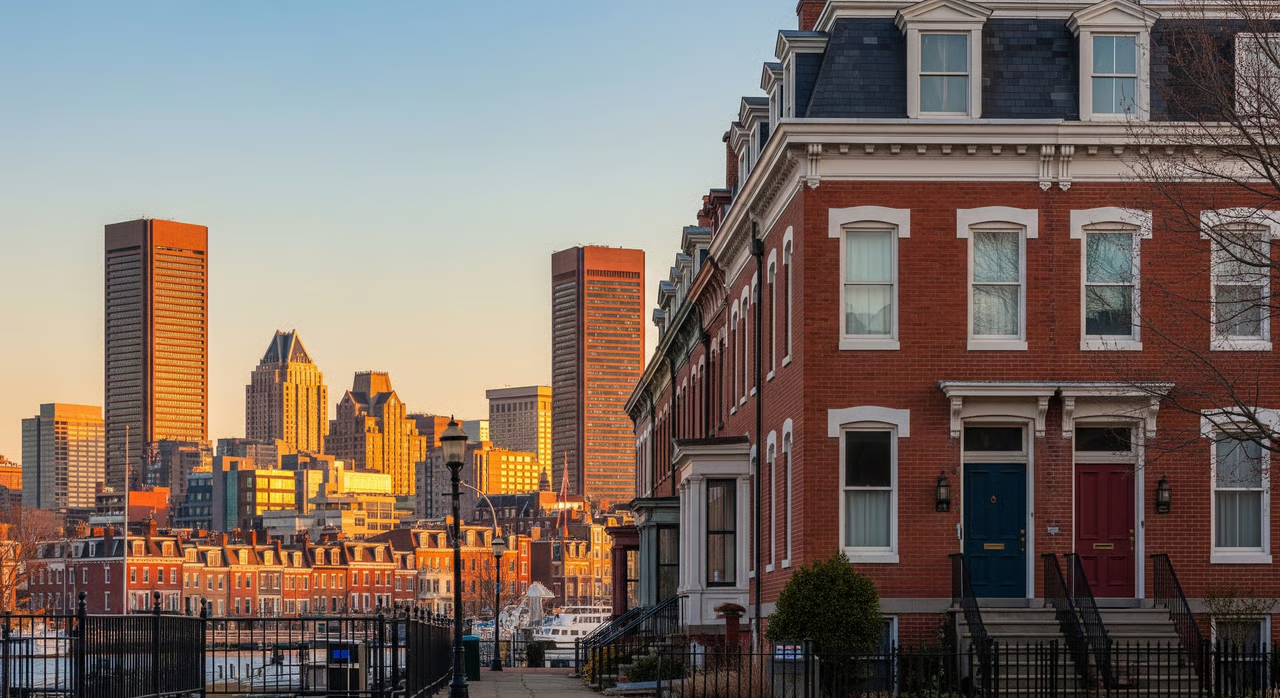
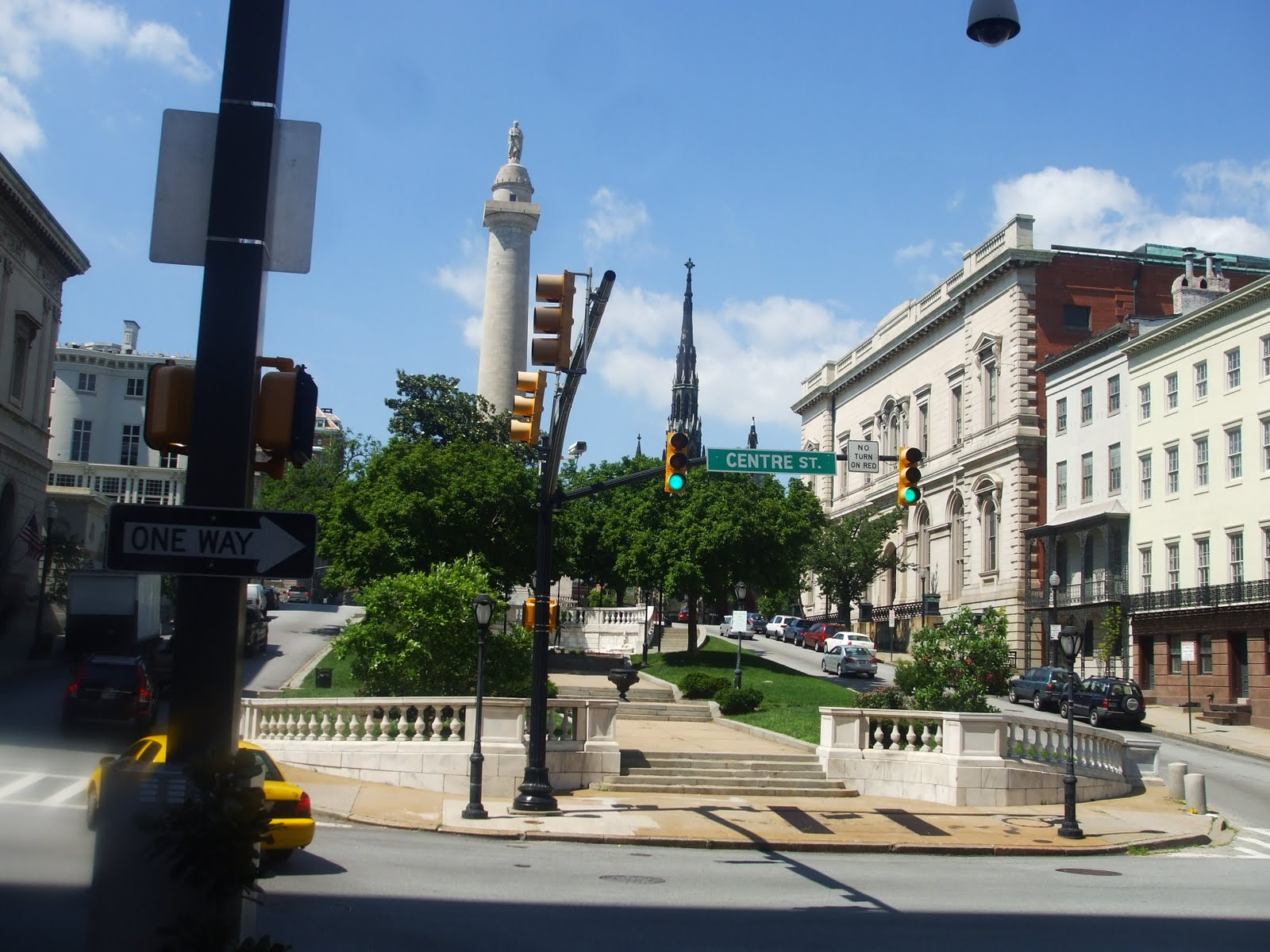
If your priority is being in the center of the action, focusing on best neighborhoods near downtown baltimore is the most efficient strategy. Mount Vernon serves as the city’s cultural heart, featuring stunning 19th-century architecture and the soaring Washington Monument. It is ideal for those who work in the legal, non-profit, or arts sectors, offering a more intellectual and refined pace of life. Conversely, Harbor East is the city’s answer to modern luxury, filled with glass high-rises, boutique fitness studios, and high-end retail. It is arguably the most polished version of Baltimore, catering to those who want a “plug-and-play” lifestyle with concierge services.
“Mount Vernon is where the city’s history meets its future, providing a backdrop that inspires creativity and professional focus.” — Local Editorial Perspective.
- Visit the Peabody Library for one of the most beautiful quiet work environments in the world.
- Utilize the Charm City Circulator, a free bus service that connects these major professional hubs.
- Explore the local culinary scene, which ranges from Afghan cuisine to traditional French bistros.
- Join the Maryland Historical Society to connect with the city’s deep-rooted professional elite.
These neighborhoods represent the pinnacle of urban density in Maryland, ensuring that you are never more than a few blocks from a meeting or a cocktail. They attract a diverse crowd of medical residents, university faculty, and corporate executives who value time and aesthetic surroundings.
Practicality and Community in Hampden and Canton
Finding safe and affordable baltimore neighborhoods often leads savvy professionals toward the northern and eastern fringes of the harbor. Hampden, once a mill town, has transformed into a hub for “cool” startups and independent retailers, centered around its famous 36th Street. It offers a more relaxed, “hipster” vibe compared to the corporate feel of downtown, with plenty of converted warehouse lofts. Canton, on the other hand, balances the waterfront lifestyle with a massive 137-acre green space at Patterson Park. It is a favorite for dog owners and fitness enthusiasts who participate in the city’s many social kickball and soccer leagues.
- Canton Square is the central hub for dining and seasonal community festivals.
- Hampden provides easy access to the Jones Falls Expressway for those commuting to the suburbs.
- Patterson Park features a public boat lake, a pagoda, and extensive jogging trails.
- Both neighborhoods have seen steady property value appreciation over the last decade.
Choosing between these two often comes down to your preference for the water versus a more “main street” small-town feel. Both allow for a significantly lower cost of living than the primary coastal high-rises while maintaining high safety ratings.
Accessibility and the Pedestrian Lifestyle
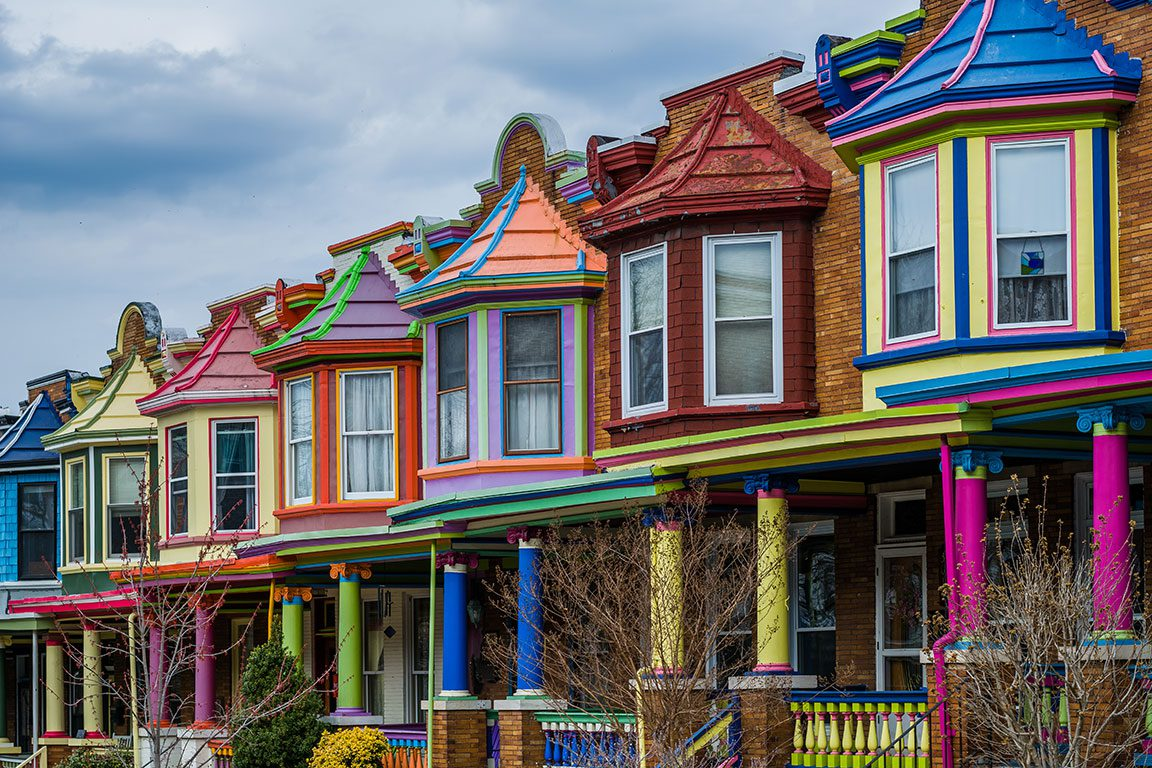
Focusing on walkable baltimore neighborhoods is the best way to reduce the stress of a daily commute and improve your mental health. In areas like Charles Village, the proximity to Johns Hopkins University creates a vibrant, academic atmosphere where a car is entirely optional. The “Painted Ladies” rowhouses provide a colorful backdrop to a neighborhood filled with bookstores and farmers markets. This level of walkability is a major draw for researchers and PhD students who spend long hours in the laboratory or library. Living in a pedestrian-centric area also fosters more spontaneous social interactions with neighbors, building a stronger local support system.
The infrastructure for cycling is also improving, with more dedicated lanes connecting the northern residential blocks to the southern business districts. When evaluating a neighborhood’s walkability, look for the presence of a “main street” corridor that provides essentials within a ten-minute radius. Many young professionals are now prioritizing these zones to avoid the rising costs of fuel and city parking permits. A walkable lifestyle in Baltimore also provides easier access to the city’s burgeoning “maker” culture and local craft breweries.
Common Mistakes to Avoid When Moving to Baltimore
- Ignoring the parking situation: Many historic neighborhoods have very limited street parking; always ask about residential permits or garage fees.
- Underestimating the commute: A distance that looks short on a map can take 30 minutes during peak hours due to harbor traffic.
- Forgetting about BGE bills: Historic rowhouses are beautiful, but they can be expensive to heat and cool if the insulation hasn’t been updated.
- Limiting your search to the waterfront: Some of the best value and community vibes are found three to four blocks inland.
- Not checking for local grants: Baltimore offers several “Live Near Your Work” grants that can provide thousands of dollars toward a home purchase.
Logistics and Transit Strategy for the Modern Worker
Effective commuting in Charm City requires more than just a GPS; it demands a tactical understanding of the city’s unique transit layers. While many professionals aim for walkable baltimore neighborhoods, those working in the suburban tech corridors of Columbia or Fort Meade must account for the heavy congestion on I-95 and the 295 Parkway. The city is increasingly investing in dedicated bike lanes, particularly the Maryland Avenue cycle track, which connects the northern residential zones to the central business district. Integrating the MARC train into your routine is also a game-changer for those who need to visit Washington D.C. for federal consulting or networking events. Understanding the nuances of the local “shuttle culture” can save you hours of frustration and hundreds of dollars in parking fees every month.
- The Charm City Circulator is a fleet of hybrid buses that are completely free to use and cover four main routes.
- Water Taxis offer a commuter pass that is significantly more scenic than sitting in tunnel traffic.
- Zipcar and other car-sharing services have high density in Harbor East and Fells Point.
- Bike Maryland provides updated maps for the safest cycling routes across the city’s varying terrain.
The transition to a multi-modal transit lifestyle is one of the biggest shifts for those moving from car-dependent suburbs to the urban core. Most modern apartment complexes now offer secure bike storage and EV charging stations as standard amenities to attract tech-focused tenants. Planning your morning around these options allows for a more predictable and less stressful start to the professional day.
Steps to Securing Your Ideal Urban Residence
- Research the specific “Small Area Plan” for your target neighborhood to see upcoming developments or construction projects.
- Calculate the total cost of occupancy, including city-specific Renter’s Insurance and estimated BGE utility averages for historic rowhouses.
- Visit the local police precinct’s community liaison or check the Citizen app to understand the real-time safety pulse of the block.
- Verify the availability of high-speed fiber internet, as some older areas of the city still rely on legacy copper infrastructure.
- Schedule tours of at least three different property types—lofts, traditional rowhouses, and modern managed apartments—to compare value.
- Inquire about “Live Near Your Work” grants through your employer, as many Baltimore institutions offer up to 5,000 dollars in assistance.
Securing a lease in a competitive market like Canton or Federal Hill requires a proactive approach and a ready-to-go documentation folder. Landlords often prioritize applicants who can demonstrate local employment or have a solid credit history within the Maryland rental system. It is also wise to check if the property is lead-certified, especially when looking at the charming but older Victorian-style homes in Mount Vernon.
Professional Networking and Industry Hubs
The professional landscape here is anchored by “Eds and Meds,” but the burgeoning cybersecurity and social entrepreneurship scenes are creating new pockets of activity. For those seeking best neighborhoods near downtown baltimore, proximity to the Spark Baltimore co-working space or the University of Maryland BioPark can be a massive strategic advantage. These hubs provide more than just a desk; they offer access to mentorship programs, venture capital mixers, and industry-specific workshops. Engaging with the Baltimore Baltimore Venture Party or the Downtown Partnership can accelerate your integration into the local economy. Most networking happens organically in the coffee shops of Remington or the upscale lounges of Harbor East.
- The Emerging Technology Centers (ETC) provide incubation for startups looking to scale quickly within the city.
- The Greater Baltimore Committee is the primary advocate for the region’s business community and economic growth.
- Impact Hub Baltimore focuses on social innovation and provides a collaborative space for non-profit professionals.
- Baltimore Tech Slack is the digital town square for developers and engineers living in the metro area.
Building a career in this city is often about “who you know” just as much as “what you know,” making the choice of neighborhood even more critical. Living in a high-density professional area ensures that your morning coffee run could easily turn into a serendipitous business meeting. As the city continues to pivot toward a knowledge-based economy, these localized networks will only become more vital for long-term career stability.
FAQ: Living as a Professional in Charm City
Is Baltimore a good city for young professionals?
Yes, it offers a high concentration of STEM and healthcare jobs with a cost of living significantly lower than nearby D.C. or Philadelphia.
What is the safest neighborhood in Baltimore for singles?
Canton, Federal Hill, and Mount Vernon are widely considered the most secure options with active community patrols and high foot traffic.
How much should I budget for rent in a popular professional area?
Expect to pay between 1,600 and 2,400 dollars for a modern one-bedroom apartment in premium areas like Harbor East or Canton.
Is it possible to live in Baltimore without a car?
It is possible in neighborhoods like Mount Vernon, Harbor East, and Charles Village, thanks to the free Charm City Circulator and bike-share programs.
Where do most Johns Hopkins employees live?
Many gravitate toward Charles Village, Mount Vernon, or the newer developments in Upper Fells Point for an easy commute.
What is the best neighborhood for a quiet professional life?
Locust Point and Roland Park offer a more suburban, quiet feel while remaining within the city limits.
Are there good co-working spaces in Baltimore?
Yes, the city has several major hubs in Spark Baltimore (Power Plant Live) and various spots in Remington and Hampden.
Is Baltimore pet-friendly?
Extremely. Neighborhoods like Canton and Federal Hill have numerous dog parks and many bars and restaurants allow pets on their patios.
What is the best time of year to move?
Late spring or early autumn are ideal to avoid the high humidity of summer and the occasional winter snow disruptions.
Are there incentives for buying a home in Baltimore?
Yes, the “Live Baltimore” organization tracks numerous city and state incentives for first-time buyers and specific professional groups.
Earlier we wrote that ICE agents deployed to US airports: list of 14 affected locations and travel tips